Quick answer: In most Arizona cities, a full roof replacement or re-roof needs a building permit, while small repairs usually do not. Each city and county runs its own permit rules, so check with your local building department or let a licensed roofing contractor pull the permit for you.
It is one of the first questions Arizona homeowners ask when planning a roofing project — and one of the most confusing to get a straight answer on. The honest answer is: it depends on what city you live in, what type of work is being done, and how significant the scope of the project is.
Arizona is what is known as a “home rule” state. Unlike states with a single mandatory statewide building code, Arizona grants each city, town, and county the authority to adopt and amend its own building codes and permitting requirements. This means a roofing project that requires a permit in Scottsdale may not require one in Phoenix under certain conditions — and the rules in Gilbert may differ again from those in Chandler or Peoria.
This guide cuts through the complexity and gives Arizona homeowners a clear, accurate picture of when roof permits are required, what happens if work is done without one, and why working with a licensed contractor who handles the permit process on your behalf is the safest approach for any significant roofing project.
The Short Answer: Full Roof Replacements Almost Always Require a Permit in Arizona
While the specifics vary by municipality, one rule holds consistently across nearly every Arizona city and county: a full roof replacement requires a building permit. This applies whether you are replacing asphalt shingles, tile, metal, or any other roofing material on a residential or commercial property.
Minor repairs — replacing a small number of individual tiles or shingles like-for-like, patching isolated flashing failures, or resealing specific penetration points — typically fall below the permit threshold in most Arizona jurisdictions. However, once a project crosses into territory that involves replacing a significant portion of the roof surface, changing materials, or touching structural components like the deck or sheathing, a permit is almost universally required.
The safest approach for any Arizona homeowner planning a roofing project beyond minor spot repairs is to confirm permit requirements with your local building department before work begins — or to work with a licensed contractor who handles this confirmation and the permit process as a standard part of their service.
Why Arizona Does Not Have a Single Statewide Roofing Permit Rule
Understanding why Arizona’s permit requirements vary so much from city to city helps homeowners avoid the mistake of assuming one city’s rules apply everywhere.
Arizona’s state government sets the broad framework — the Arizona Department of Fire, Building and Life Safety oversees the state building code structure and adopts model codes from the International Code Council (ICC). But individual cities and counties act as their own Authority Having Jurisdiction (AHJ), meaning they adopt the model codes and then amend them to reflect local conditions, priorities, and regulatory preferences.
Phoenix, for example, has adopted the 2024 International Residential Code (IRC) with its own local amendments. Mesa has also moved to the 2024 ICC code family. Other jurisdictions may still operate under the 2018 or 2021 versions. Scottsdale, Chandler, Gilbert, Tempe, Peoria, and every other incorporated city in Arizona each has its own code adoption and amendment history.
The practical result for homeowners is that permit requirements, inspection processes, permit fees, and even the specific materials that must be used can differ meaningfully between adjacent cities. A roofing contractor who primarily works in one part of the Valley may not be fully familiar with the requirements of a city across the metro — which is one of the practical arguments for choosing a roofing contractor with demonstrated experience across the specific area where your home is located.
When a Roof Permit Is Required in Arizona
Despite city-by-city variation, the following categories of roofing work consistently trigger permit requirements across Arizona’s major cities and counties:
Full Roof Replacement (Re-Roofing)
A full roof replacement — tearing off the existing roofing material down to the deck and installing a new roofing system — requires a building permit in virtually every Arizona municipality. This includes residential re-roofing projects in Phoenix, Scottsdale, Chandler, Mesa, Gilbert, Tempe, Peoria, Glendale, Surprise, Goodyear, Avondale, and all other major cities.
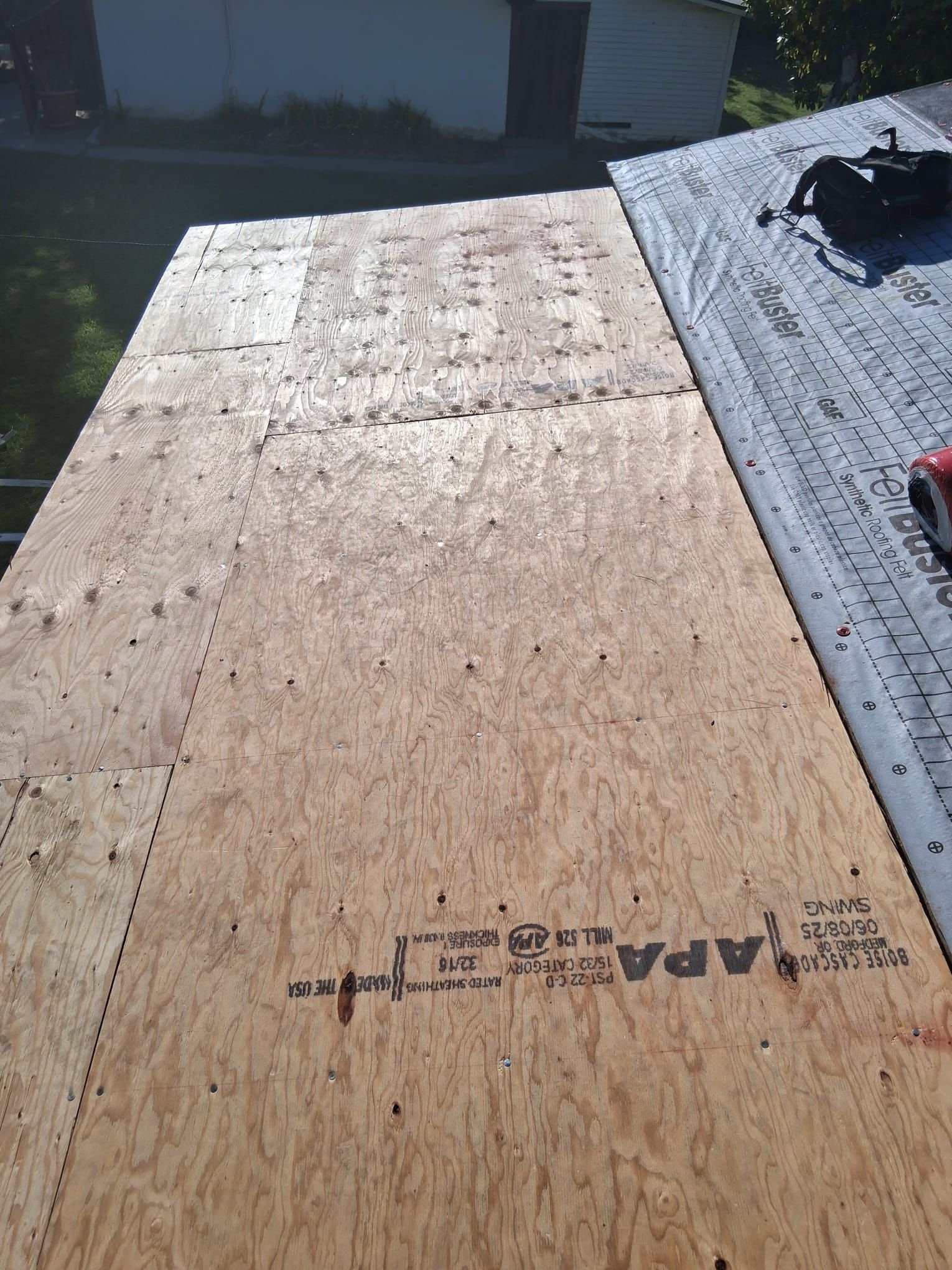
The permit process for a full replacement typically includes a plan review confirming the proposed materials and installation method comply with local code requirements, followed by one or more inspections during the project — commonly a deck inspection before underlayment is applied, and a final inspection after completion.
Changing Roofing Materials
Switching from one type of roofing material to a different type almost always requires a permit — even if the overall scope is otherwise similar to a like-for-like replacement. The most common example in Arizona is switching from asphalt shingles to tile. Concrete and clay tile carries significantly more weight than asphalt — typically 9 to 12 pounds per square foot versus 2 to 4 pounds per square foot for shingles. An engineer’s assessment of the roof framing’s load capacity is often required before a permit is issued for this type of material change. A structural inadequacy that goes unidentified because the permit process was skipped can result in serious long-term consequences for the home’s structural integrity.
Structural Repairs to the Roof Deck or Sheathing
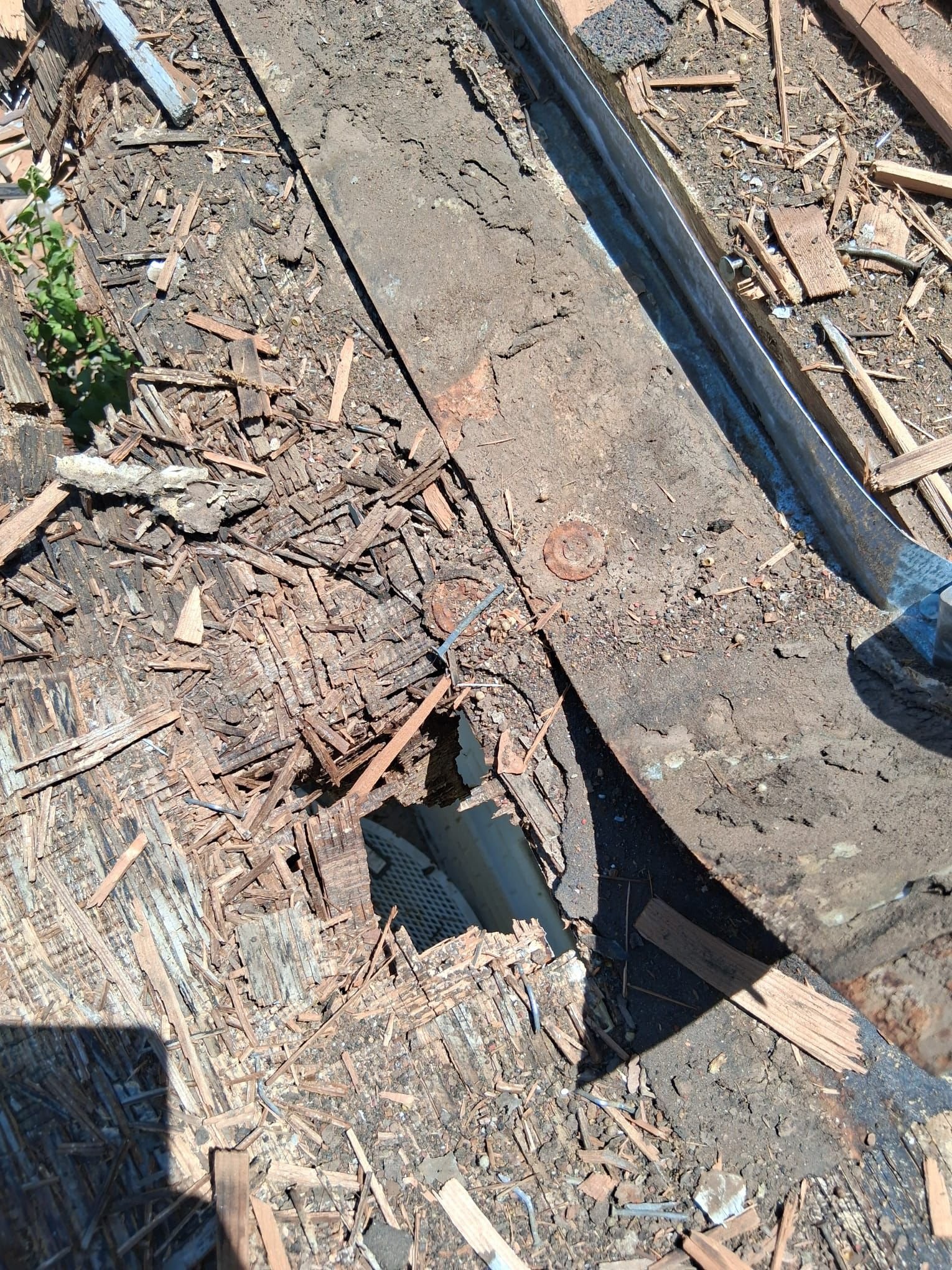
Any work that touches the structural components of the roof — the decking, sheathing, rafters, or trusses — requires a permit regardless of how small the affected area appears. This is one of the most important permit triggers for Arizona homeowners to understand, because structural damage discovered during a routine repair — rotted sheathing beneath a failed section of underlayment, a damaged rafter discovered when a cracked tile is removed — may require permitted structural work before new materials can be installed on top.
A licensed contractor who discovers structural damage during a repair will flag the additional scope and obtain the appropriate permit before proceeding. A contractor who proceeds without acknowledging structural damage to avoid the permit process is creating a serious liability for the homeowner.
Adding a New Roofing Layer Over Existing Material
Installing a new layer of roofing material over an existing layer — rather than tearing off the existing roof — requires a permit in most Arizona cities. Additionally, most Arizona municipalities follow the IRC limitation of no more than two total layers of roofing material before a full tear-off is required. Phoenix’s local amendments, for example, align with this two-layer restriction. Adding a layer without a permit and without confirming the total layer count is in compliance creates both a code violation and a potential structural loading concern.
Solar Panel Installation
Installing rooftop solar panels involves both a building permit for the structural penetrations and mounting hardware and an electrical permit for the system connections. Both are required in Arizona cities, and the two permit processes must be coordinated — typically between the solar installation company, a licensed roofing contractor who handles the roof penetrations and flashing, and the local building department. As discussed in our guide on what voids a roof warranty in Arizona, solar installations that are not properly permitted and flashed can also void your roofing material warranty.
Roofing in Wildland-Urban Interface (WUI) Zones
Properties in Arizona’s Wildland-Urban Interface zones — areas near undeveloped desert terrain, canyon edges, or national forest boundaries, common in communities like Cave Creek, Sedona, and Fountain Hills — face additional permitting requirements. Re-roofing in a WUI zone typically requires Class A fire-rated materials and may trigger additional review steps beyond the standard permit process. WUI zone status significantly affects both what materials are permitted and the permit review timeline.
When a Roof Permit Is NOT Required in Arizona
Minor roofing repairs typically fall below permit thresholds in most Arizona jurisdictions. The Arizona Building Officials organization recognizes that reroofing may not require a permit in many cases — with exceptions for wildfire hazard zones and structural involvement. Common repair types that generally do not require a permit include:
- Replacing a small number of individual tiles or shingles with identical like-for-like materials
- Resealing or replacing flashing around specific penetration points without structural modification
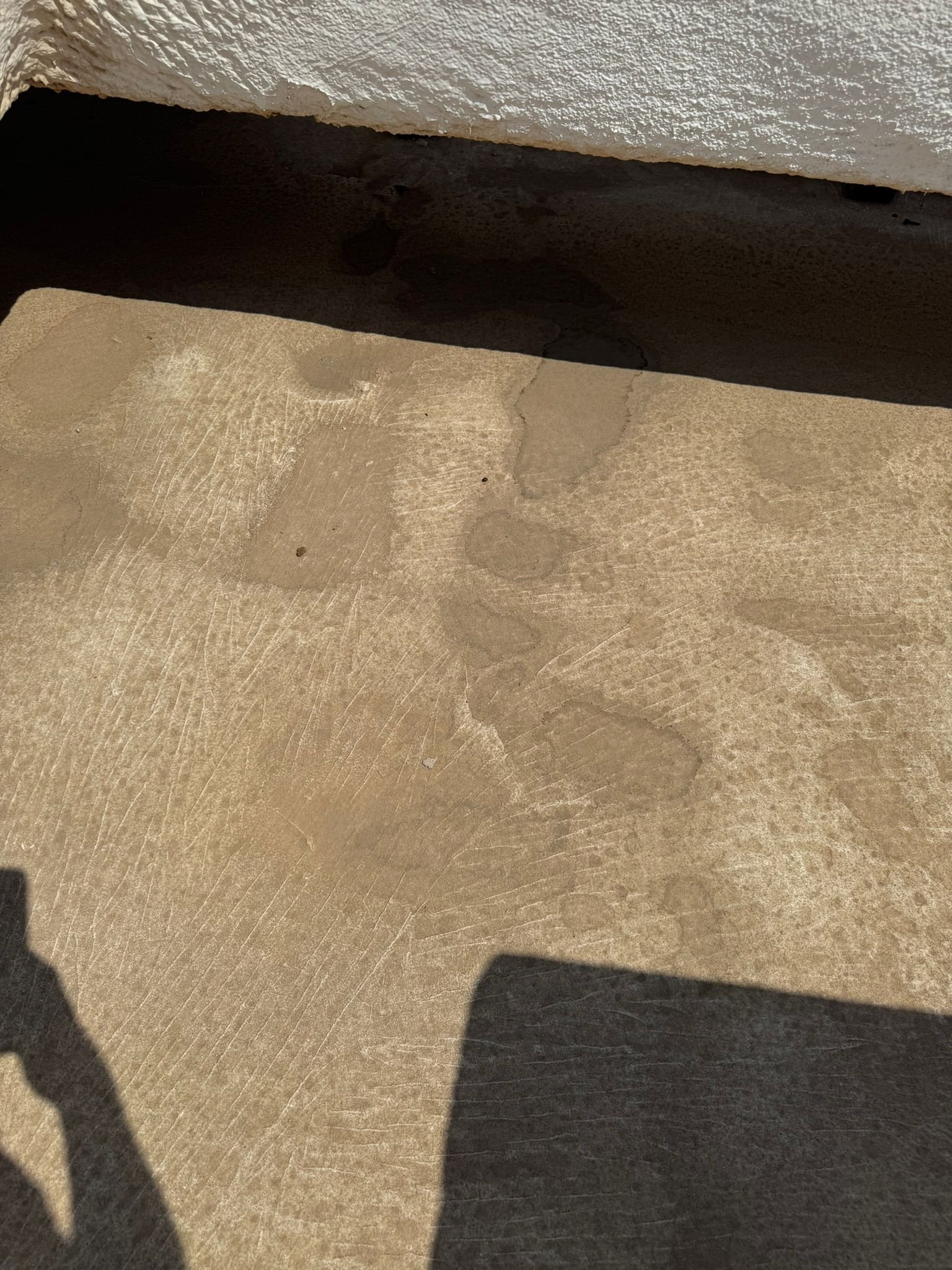
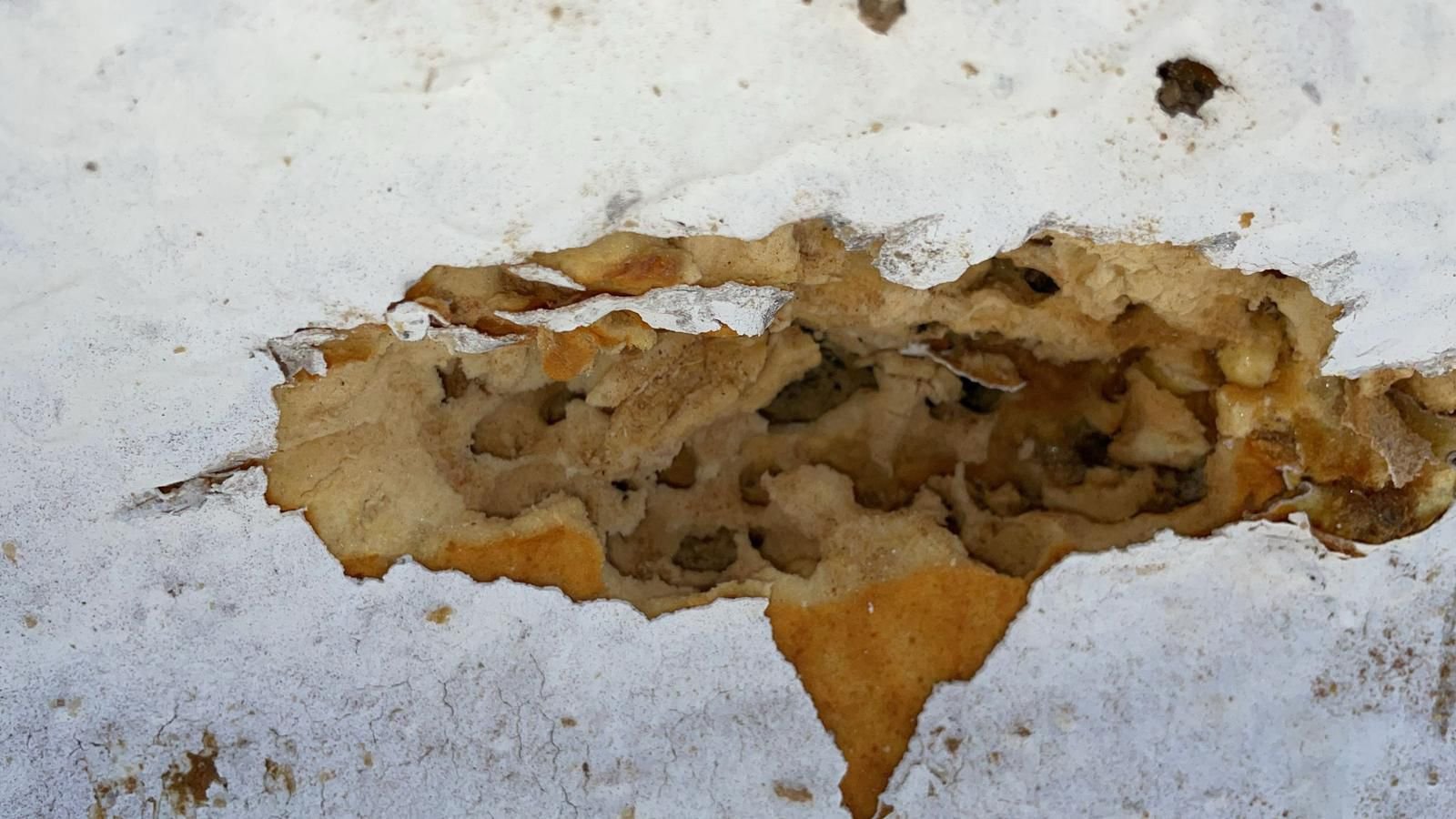
- Foam roof recoating on existing foam sections without structural changes
- Gutter repair or replacement
- Minor patching of isolated damage areas
The key qualifier in every case is “like for like” — the same material type, the same installation method, no structural modification, and no change to the roof assembly type. The moment a repair crosses into material changes, structural modification, or significant scope expansion, permit requirements typically apply.
Important caveat: Even when a permit is technically not required, confirming this with your local building department before work begins is always the responsible approach. The consequences of proceeding without a required permit are significant enough that the two-minute phone call to confirm is always worthwhile. Never rely on a contractor’s verbal assurance that a permit is not required without independent verification — a contractor who is wrong about permit requirements exposes you, not themselves, to the consequences.
City-by-City Permit Overview for Arizona’s Major Roofing Markets
While always confirming with your local building department, here is a general overview of how Arizona’s major cities approach roofing permits:
Phoenix
Phoenix requires a permit for full roof replacements and any structural roofing work. Like-for-like reroofing projects using the same material type that do not exceed two total layers do not require a permit under Phoenix Building Construction Code Section 105.2.1 — but this exemption has specific conditions and confirming with the City of Phoenix Planning and Development Department before relying on it is strongly recommended. Phoenix has adopted the 2024 IRC with local amendments. Cool roof reflectance standards apply to commercial low-slope roofs in Phoenix.
Scottsdale
Scottsdale requires permits for full roof replacements. Scottsdale also applies cool roof reflectance standards to both commercial and residential low-slope applications. Properties in Scottsdale’s HOA communities face additional requirements for material and color approval alongside the city permit process — our guide on HOA roofing rules in Scottsdale and Phoenix covers this process in full detail.
Chandler
Chandler requires building permits for full roof replacements. The City of Chandler’s permit fee for residential roofing typically runs in the range of $100 to $500 depending on project scope and valuation. As discussed in our Chandler roof repair guide, a licensed contractor should handle the permit application and required inspection coordination on your behalf.
Mesa
Mesa has adopted the 2024 ICC code family and requires permits for full roof replacements. Maricopa County permit fees for residential roofing in Mesa typically run $157 to $600 depending on scope. Our Mesa roofing contractor guide covers the full permit process for Mesa homeowners.
Gilbert
Gilbert requires permits for full roof replacements. Maricopa County permit fees apply and typically run approximately $166 for standard residential replacements. Gilbert’s significant HOA community presence means many homeowners must navigate both city permits and HOA architectural approval — as covered in our Gilbert roof replacement guide.
Peoria, Surprise, Goodyear, and Avondale
All four West Valley cities require building permits for full roof replacements. Permit fees and specific requirements vary — our city-specific guides for Peoria, Surprise, Goodyear, and Avondale cover the permit process and typical fee ranges for each city.
Sedona
Sedona’s permit process is among the most involved in Arizona — not just because permits are required for all roof replacements, but because the City of Sedona’s scenic beauty requirements mandate physical material and color sample submission and approval before a permit is issued. Our Sedona roofing guide covers this process in full detail, including WUI fire requirements that apply to many Sedona properties.
What Happens If You Replace Your Roof Without a Permit in Arizona
The consequences of performing permitted-scope roofing work without obtaining the required permit are significant and affect multiple dimensions of your property ownership.
Insurance claim denial. This is the most immediate financial risk. Most Arizona homeowner’s insurance policies require that roofing work be performed with all legally required permits. If your roof was replaced without a required permit and you subsequently file a claim — whether for storm damage, a leak, or another covered event — your insurer may deny the claim on the basis that the roof installation was not code-compliant. The full cost of any denied claim falls to you. For a full understanding of what Arizona home insurance covers for roofing, our dedicated guide covers all the conditions that affect coverage.
Warranty voidance. Most roofing material manufacturers require that installation be performed with all legally required permits in place. Unpermitted installation typically voids the manufacturer’s material warranty — meaning the coverage you thought you had on a 25 or 30-year product may be unenforceable. As detailed in our guide on what voids a roof warranty in Arizona, this is one of the most common and most costly warranty void scenarios.
Fines and stop-work orders. Arizona cities actively enforce permit requirements. Building inspectors who discover unpermitted roofing work can issue stop-work orders halting the project mid-installation, require removal of completed work pending permit application, and issue fines. In cases of serious or repeated non-compliance, local authorities can pursue legal action. The contractor who performed the unpermitted work faces their own regulatory consequences — but the property sits in your name, and the unpermitted work is your legal obligation to resolve.
Complications at sale. When you sell an Arizona home, all material improvements to the property must be disclosed. Unpermitted roofing work discovered during a buyer’s inspection — which is standard in real estate transactions — can delay or derail closing, require you to retroactively permit and inspect the work at your expense, or result in a price reduction to compensate the buyer for the risk they are assuming. Retroactive permitting for completed work is often more expensive and more complicated than obtaining the permit before work begins.
Unverified structural compliance. The permit inspection process exists to confirm that structural work meets code requirements. A roof replacement that proceeds without inspection may have structural deficiencies — inadequate fastening patterns, improper underlayment installation, deck damage that went unaddressed — that would have been caught and corrected during a required inspection. These deficiencies affect your roof’s actual performance, not just its compliance on paper.
What the Permit Process Actually Involves
For homeowners who have not been through a permitted roofing project before, understanding what the process involves helps set realistic expectations for project timelines and requirements.
Application submission. Your roofing contractor submits a permit application to the local building department. The application typically includes the project address, property owner information, contractor license and insurance information, a description of the scope of work, and the proposed materials. Some jurisdictions allow online submission; others require in-person or mail submission.
Plan review. For larger or more complex projects — particularly those involving material changes, structural modification, or commercial properties — the building department reviews the submitted plans before issuing the permit. This review confirms that the proposed work meets local code requirements. Review times vary by jurisdiction and project complexity, typically ranging from a few days to several weeks.
Permit issuance and fee payment. Once approved, the permit is issued and the permit fee is paid. Residential roofing permit fees across Arizona’s major cities typically range from $75 to $600 depending on project scope, valuation, and municipality.
Project inspections. During the project, the building department inspector visits the property to verify that work is proceeding in compliance with the approved plans and local code. For roofing projects, a deck inspection before underlayment is applied and a final inspection after completion are the most common inspection stages. Your contractor schedules these inspections and must ensure the appropriate work stages are ready when the inspector arrives.
Final approval. Once all inspections pass, the permit is closed and the project is officially code-compliant and on record. This final approval is your documentation of a properly permitted and inspected roofing installation — valuable for insurance purposes, warranty validity, and eventual property sale.
Why Your Contractor Should Handle the Permit Process
A common question from Arizona homeowners is whether they need to manage the permit process themselves. The answer is no — and a contractor who expects you to handle permitting on your own is not providing a complete professional service.
A licensed, professional Arizona roofing contractor handles the complete permit process as a standard part of every project — application, plan submission, inspection scheduling, and final approval. This is not an optional add-on service. It is part of what you are paying for when you hire a licensed contractor, and it is one of the clearest markers distinguishing a legitimate professional from an operator cutting corners.
Contractors who suggest skipping permits to reduce cost or speed up the project are transferring all permit-related risk — insurance denial, warranty voids, fines, and sale complications — to you as the property owner. This is never an acceptable trade-off regardless of what discount is being offered. Our guide on the most common mistakes homeowners make when choosing a roofing company covers this red flag and others in full detail.
Need a Permitted Roof Replacement in Arizona? Tip Top Roofing Service Handles Everything
Tip Top Roofing Service is a GAF-certified, BBB-accredited roofing contractor with over 10 years of experience handling permitted roofing projects across the Phoenix metro and Arizona. We manage the complete permit process on your behalf — from application and plan submission through inspection scheduling and final approval — so you never have to navigate the permitting system yourself.
What you get when you work with us:
- Free roof inspection and written estimate — no pressure, no obligation
- Licensed and insured in Arizona: ROC License #355034
- Complete permit handling — application, inspection scheduling, and final approval
- Experience with permit requirements across all major Arizona cities and municipalities
- Free estimates for new roof installations
- 0% interest financing over 12 months — learn more about financing a new roof in Arizona
- Up to 30-year material warranties on qualifying systems
- Full insurance claim assistance — documentation through settlement
- 130+ five-star Google reviews from verified Arizona homeowners
We serve Chandler, Mesa, Gilbert, Peoria, Surprise, Goodyear, Avondale, Sun City, Scottsdale, Phoenix, Tempe, and 40+ Arizona cities.
Call (480) 877-1643 or email info@tiptoproofingservice.com to schedule your free inspection and get your roofing project started the right way.
Frequently Asked Questions: Roof Permits in Arizona
Do I need a permit to replace my roof in Arizona?
For a full roof replacement — tear-off of existing materials and installation of a new roofing system — the answer is almost certainly yes regardless of which Arizona city you live in. For minor like-for-like repairs involving a small number of tiles or shingles, the answer is often no — but confirming with your local building department or licensed contractor before proceeding is always the responsible approach. Arizona does not have a single statewide rule, so city-specific requirements apply.
How much does a roofing permit cost in Arizona?
Residential roofing permit fees across Arizona’s major cities typically range from $75 to $600 depending on the municipality, project scope, and valuation method used to calculate the fee. Phoenix, Scottsdale, Chandler, Mesa, Gilbert, and other major cities each have their own fee schedules. Your roofing contractor should include the permit fee as a line item in your written estimate and handle payment as part of the project. If a contractor’s estimate does not mention permits or permit fees, ask specifically whether they plan to pull a permit — and if the answer is no for a full replacement project, find a different contractor.
What happens if my contractor did my roof without pulling a permit?
If your roof was replaced without a required permit, you face four significant risks: insurance claim denial if you file a claim on the unpermitted roof, potential warranty voidance on the roofing materials, complications and required disclosure when selling your home, and possible fines or orders to remediate the unpermitted work from the local building department. If you discover after the fact that permitted work was done without a permit, contact your local building department to understand the retroactive permitting process for your jurisdiction. This process typically involves a fee, an inspection of the completed work, and potential remediation if the work is found non-compliant.
Can I pull the roofing permit myself as a homeowner?
In most Arizona jurisdictions, a homeowner can technically pull a permit for work on their own residence if they are performing the work themselves. However, for professional roofing projects, the licensed contractor should pull the permit — this is standard practice and part of the professional service you are paying for. A contractor who refuses to pull the permit or suggests you pull it on their behalf is creating a situation where they avoid accountability for the permitted work. Legitimate licensed contractors pull their own permits as a routine matter.
Does a roof repair require a permit in Arizona?
Minor like-for-like repairs — replacing a small number of tiles or shingles with identical materials, resealing specific penetration points, or recoating an existing foam section — typically do not require a permit in most Arizona cities. The permit threshold is generally crossed when work involves replacing a significant portion of the roof surface, changing materials, touching structural components, or installing new roofing assemblies. When in doubt, confirm with your local building department or ask your licensed contractor to verify the permit requirement for the specific scope of work before it begins.
How long does it take to get a roofing permit in Arizona?
Permit processing times vary significantly by city and project complexity. In many Arizona cities, residential roofing permits for straightforward like-for-like replacements can be issued within a few days to a week of application submission. More complex projects — material changes, structural modifications, or projects in cities with more involved review processes like Sedona — can take two to four weeks or more. Your contractor should submit the permit application promptly after contract signing and factor the expected review time into the project start date. Never allow a contractor to start work before the permit is in hand.
Tip Top Roofing Service | (480) 877-1643 | info@tiptoproofingservice.com | tiptoproofingservice.com | 6830 E 5th Ave #205, Scottsdale, AZ 85251 | ROC License #355034
Related Roofing Services and Guides
Tip Top Roofing Service is a licensed Arizona roofing contractor (ROC #355034) based in Old Town Scottsdale. Explore related services and guides, or call (480) 877-1643 for a free inspection.
- Roof Installation – full roof replacement and new installations
- Shingle Roof Replacement in Scottsdale – new shingle roofs built for desert heat and monsoon wind
- HOA Roofing Rules in Scottsdale and Phoenix – what needs HOA approval
- Roof Replacement Cost in Scottsdale – what a new roof costs and why
- How Long Are Roof Warranties in Scottsdale? – material and workmanship coverage explained
- Roofing in Scottsdale, AZ – our Scottsdale service area