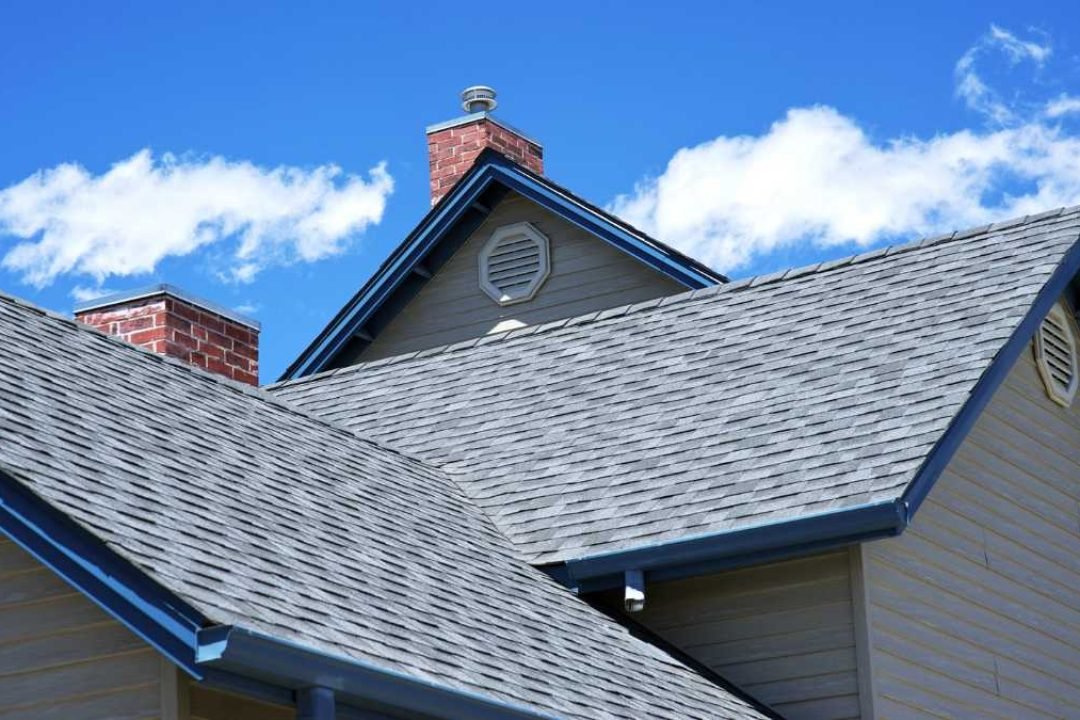
Goodyear has grown from a small West Valley community of around 18,000 people to a thriving city of over 128,000 residents — and it is still accelerating, adding new residents at more than 4% annually. Major companies including Microsoft have announced data center campuses in Goodyear, drawing professionals and families to the area in steadily increasing numbers.
Behind that growth story sits a roofing reality that is easy to overlook but impossible to ignore once a problem develops. Goodyear’s housing stock spans three distinct eras: the earliest homes in Estrella Mountain Ranch and established Palm Valley neighborhoods — some now 25 to 35 years old and well past their original roofing lifespan — a large wave of mid-2000s construction, and the continuous flow of new homes being permitted and built today. Each era brings its own roofing profile, and each faces the same unforgiving West Valley climate: extreme UV radiation, summer heat, and some of the most intense dust storm exposure in the entire Phoenix metro.
Whether your home is in Estrella, Palm Valley, PebbleCreek, Canyon Trails, or one of Goodyear’s newer subdivisions, this guide gives you a complete picture of what damages roofs in Goodyear, what repairs cost, and how to find a contractor who delivers real quality without shortcuts.
Goodyear’s West Valley Location Creates Unique Roofing Conditions
Every Phoenix metro city deals with extreme heat and monsoon storms, but Goodyear’s location in the West Valley creates roofing challenges that are measurably different from the East Valley communities most homeowners compare it to.
Goodyear is directly in the path of haboobs. The massive dust storms that roll across Arizona’s desert floor originate to the south and southwest and track northeast toward Phoenix — putting the West Valley, and Goodyear specifically, squarely in their path before they reach the denser metro core. These haboobs carry fine silica and sand particles at high velocity. For a Goodyear roof, that means more frequent abrasion of roofing surfaces, greater accumulation of debris in gutters and valleys, and more particles working their way under loose flashing and tile edges over time. Homeowners in Estrella and Palm Valley who back up to open desert terrain experience this more acutely than properties with adjacent development providing any windbreak.
Proximity to the Estrella Mountains changes storm dynamics. Properties in and around Estrella Mountain Ranch sit near the Estrella Mountains, which affect how monsoon storm cells move through the area. Wind direction and intensity during monsoon events can differ significantly from valley floor properties further east, and homes on terrain with open western or southern exposure face more direct wind load than their more sheltered counterparts.
The Gila River basin effect. Parts of Goodyear south of I-10 lie near the Gila River basin, which can experience flash flooding patterns during intense monsoon events. While this primarily affects ground-level drainage, it also affects how quickly roofing vulnerabilities become active interior water damage — standing water on flat sections and overwhelmed gutters can compromise a roof much faster during major precipitation events than a light rain might suggest.
West Valley heat intensity. Goodyear regularly reaches triple-digit temperatures in summer, with peak heat days exceeding 110°F. Roof surface temperatures on dark materials can climb above 150°F. This surface heat degrades roofing materials at an accelerated rate compared to moderate climates — breaking down underlayment, drying out sealants, and shortening the realistic service life of every roofing system on every home in the city.
The Most Common Roof Problems in Goodyear, AZ
These are the roofing issues that show up most frequently across Goodyear’s neighborhoods:
UV and Heat Degradation on Shingles
Goodyear’s intense UV exposure is the number one cause of shingle deterioration in the West Valley. When granules — the protective coating on asphalt shingle surfaces — shed into gutters and accumulate at the base of downspouts, it means the shingles have lost their primary UV shield. Once that protection is gone, shingle degradation accelerates dramatically. Widespread granule loss across a Goodyear home’s shingle roof is a clear signal that repair is no longer sufficient and replacement planning needs to begin.
Cracked and Displaced Tile
Tile roofs throughout Goodyear’s established communities face the same thermal cycling challenges as tile roofs across the rest of Arizona — daily expansion and contraction cycles that eventually crack tiles and loosen the bond between tile and deck. Monsoon winds, particularly when amplified by Goodyear’s West Valley exposure, can displace individual tiles and leave patches of bare underlayment directly exposed to the next rainfall. A single displaced tile after a major haboob is a repair situation. Multiple displaced tiles across several roof sections after a strong monsoon event tells a different story.
Flashing Failures at All Penetration Points
Every HVAC unit, vent pipe, chimney, and skylight on a Goodyear roof is sealed with metal flashing and sealant that dries and cracks in the desert heat. These failures are invisible from the ground and often develop for seasons before interior water signs appear. The only reliable detection method is a professional inspection that examines every penetration point on the roof — not just a visual check from the ground or driveway.
Dust and Debris Accumulation in Gutters and Valleys
Goodyear’s frequent dust storms deposit substantially more fine debris on roofs and in gutters than most Valley homeowners expect. When gutters become packed with silica dust and debris, drainage during monsoon downpours is severely compromised — water backs up under the roofline, fascia boards begin to rot, and water intrusion can work its way into the home at the roof edge. Post-storm gutter inspection and clearing is a year-round maintenance obligation in Goodyear, not a seasonal one.
Flat Roof Ponding and Membrane Wear
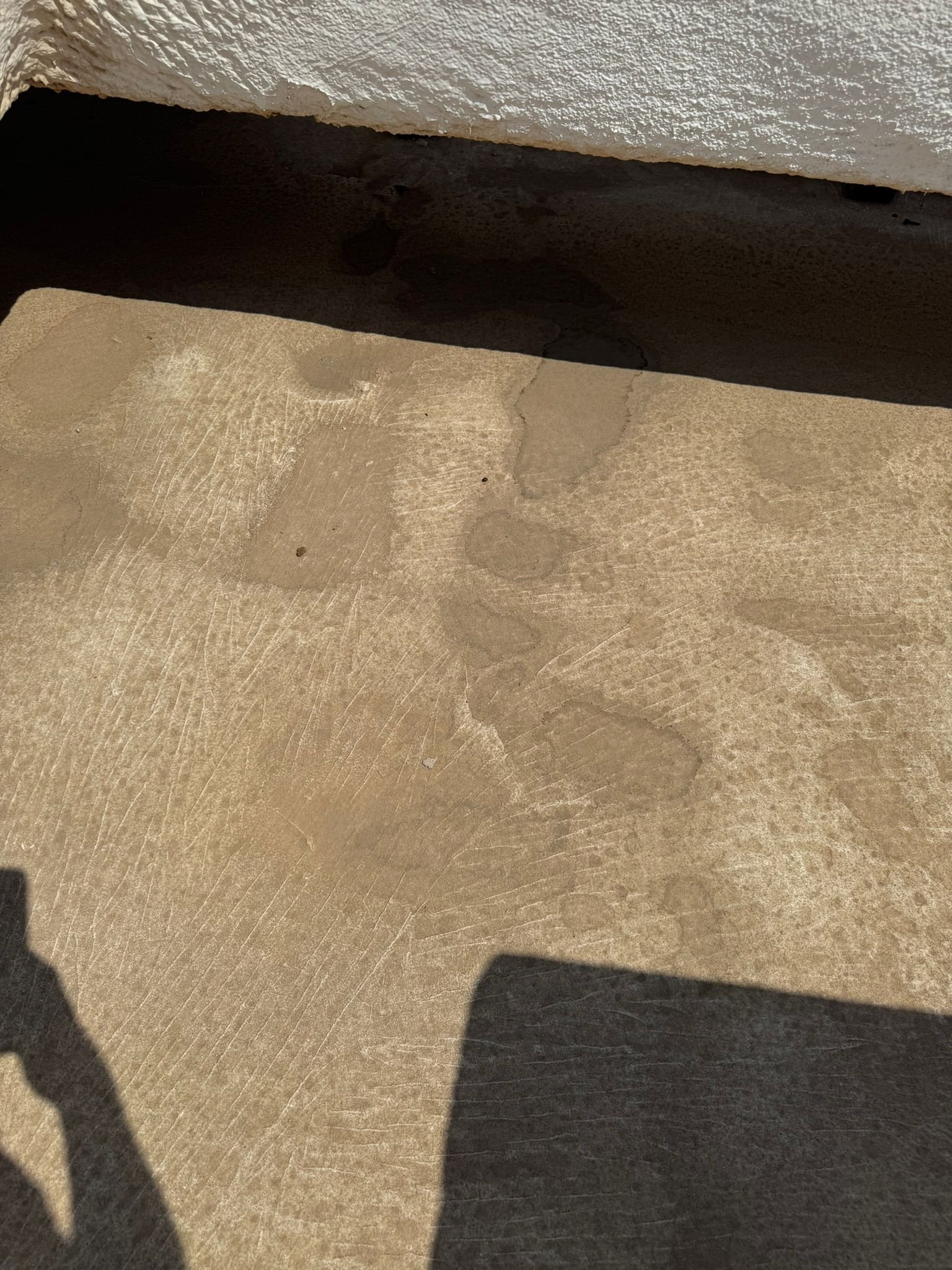
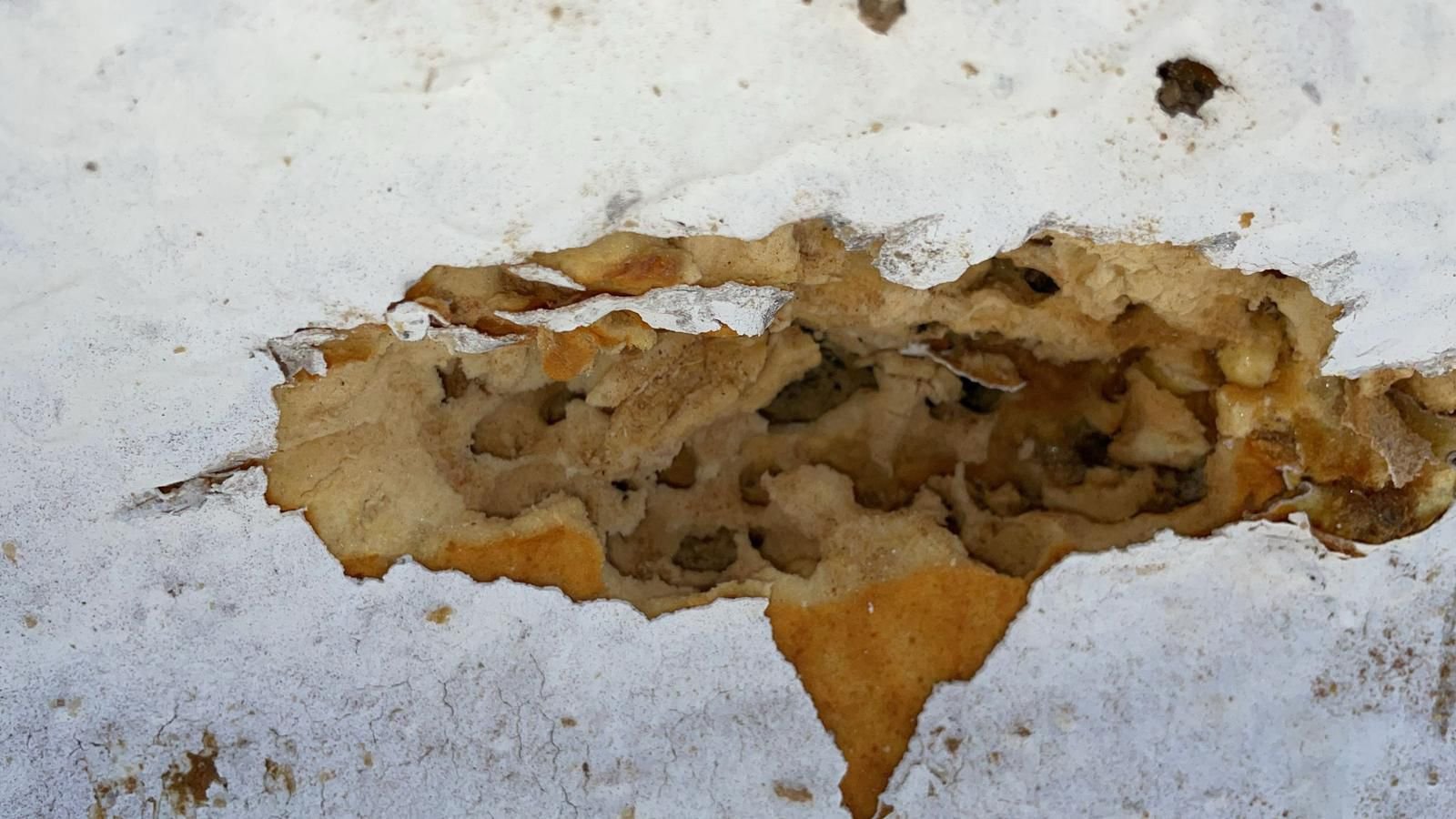
Many Goodyear homes include flat-roof patio covers, rear additions, or garage overhangs with low-slope or flat sections. After major monsoon events these sections are highly susceptible to ponding water, which accelerates membrane wear and eventually finds its way inside if drainage is not adequate. Foam and modified bitumen systems on flat sections require periodic recoating — skipping this maintenance is the most common cause of flat roof failure in the West Valley.
Underlayment Failure on Older Tile Roofs
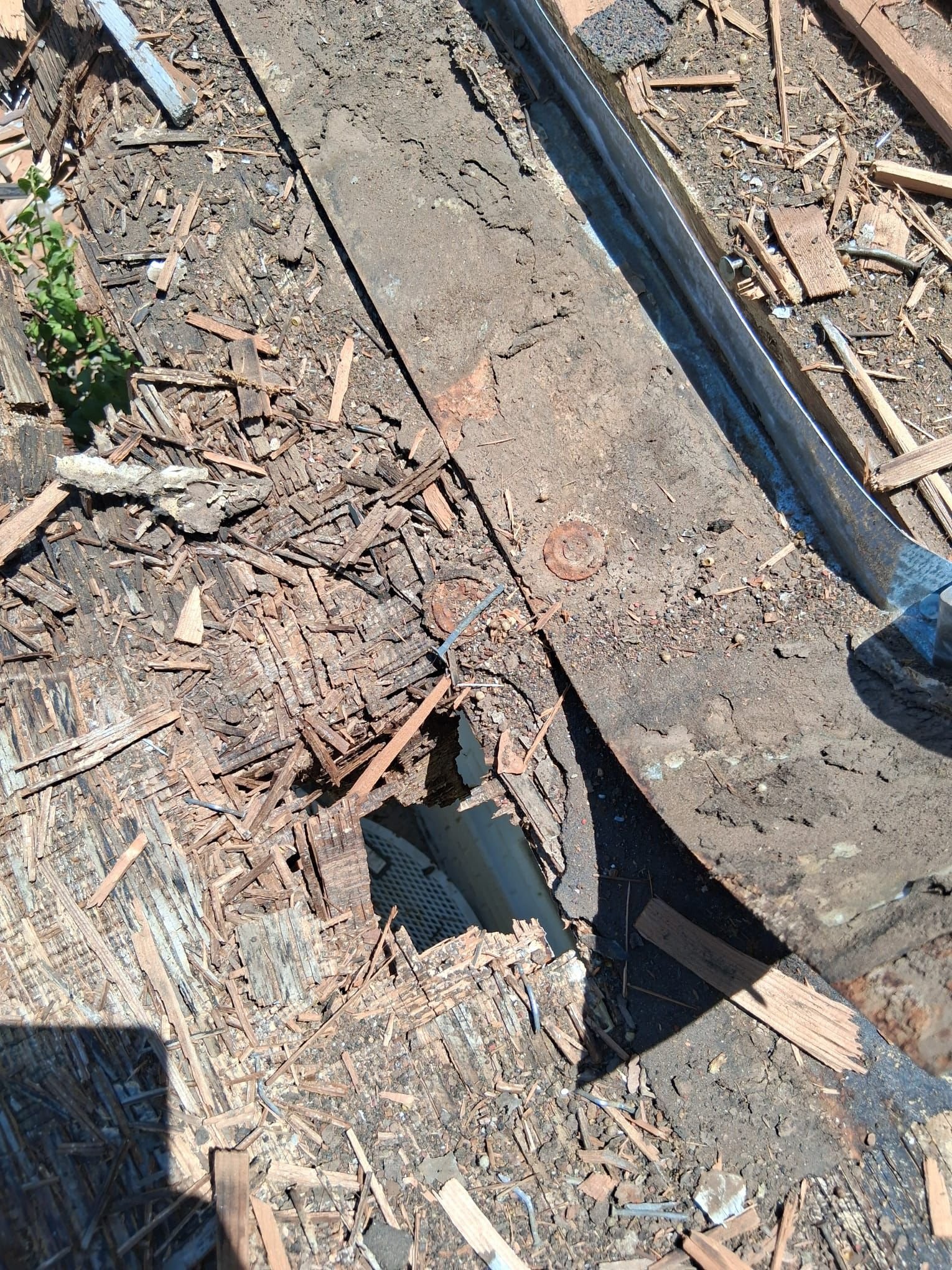
Homes in Estrella Mountain Ranch and established Palm Valley neighborhoods built 20 to 35 years ago are at significant risk for underlayment failure. The tile surfaces on these homes frequently appear intact while the waterproof barrier beneath them has completely deteriorated. In Goodyear’s heat, underlayment that was expected to last 25 to 30 years in a moderate climate may have failed at 18 to 22 years. Any tile roof in Goodyear that has not had an underlayment assessment and is over 20 years old warrants urgent professional inspection before the next monsoon season.
Signs You Need to Call a Roofer in Goodyear
These are the indicators — from inside and outside your home — that a professional inspection is needed without delay:
- Water stains or discoloration on interior ceilings or walls, especially appearing after rain
- Missing, cracked, or visibly shifted roof tiles visible from ground level
- Dark granular material accumulating in gutters or at downspout bases
- Gutters pulling away from the fascia or sagging after storms
- Visible daylight when looking up from your attic
- Musty or damp odors in upper rooms or attic spaces
- Soft spots or any visible sag in the roofline
- Rising energy bills without another obvious explanation — often a sign of compromised roof insulation or ventilation
One principle that applies across every Goodyear neighborhood: if water signs appear inside your home after a monsoon storm, the problem almost certainly predates that storm. Goodyear’s intense heat means that by the time water intrusion becomes visible on an interior ceiling, it has typically been working through the roofing system for multiple storm cycles. Acting immediately limits the damage. Waiting means the water continues its work through every subsequent rainfall.
What Does Roof Repair Cost in Goodyear, AZ?
Repair costs in Goodyear fall broadly in line with Maricopa County and West Valley market pricing. Here is a realistic breakdown:
| Repair Type | Estimated Cost Range | Notes |
|---|---|---|
| Single cracked or displaced tile | $150 – $400 | Matching tile and labor |
| Flashing repair at vent or pipe | $200 – $600 | Per penetration point |
| Minor leak repair (sealant or flashing) | $300 – $800 | Isolated failure |
| Gutter repair or reattachment | $200 – $700 | Depends on linear footage |
| Damaged underlayment (section) | $600 – $1,800 | Following monsoon damage |
| Flat roof recoat (patio or addition) | $700 – $2,500 | Size and system dependent |
| Multiple tiles and underlayment | $1,000 – $3,000+ | Widespread storm or UV damage |
| Full tile underlayment replacement | $9,000 – $22,000+ | Tiles removed, underlayment replaced, tiles reset |
Pricing reflects current Goodyear and West Valley market conditions. Final costs depend on roof size, pitch, accessibility, material availability, and any structural damage discovered during inspection. Permits for work exceeding a certain scope threshold are required by the City of Goodyear. Always get a written itemized estimate before signing.
When Repair No Longer Makes Sense in Goodyear
Not every roofing problem in Goodyear is a repair situation. Here is the honest framework for making the repair-versus-replacement decision:
Repair remains appropriate when the damage is localized — one cracked tile, one failed flashing seal, one section of storm damage on an otherwise sound roof. If the underlying structure is solid, the underlayment in the affected area is still intact, and the roof is under 15 years old, targeted repair is almost always the right call.
Replacement becomes the better investment when your Goodyear home’s roof is 20 or more years old, damage appears across multiple sections rather than one isolated area, underlayment has failed in multiple locations, or you have had the same areas repaired more than once in recent seasons. At that point, you are spending repair dollars on a system that cannot be reliably stabilized — the cost of continued repairs approaches what a proper replacement would cost, without the years of service that a new installation provides.
The West Valley timeline reality. Goodyear’s heat and UV exposure compress roofing material lifespans compared to national averages. A shingle roof that a manufacturer rates for 25 years in a moderate climate realistically delivers 18 to 22 years of reliable service in Goodyear’s conditions. A tile roof rated for 50+ years may need underlayment replacement at 18 to 22 years even if the tiles themselves remain sound. Any roofing decision that ignores this Arizona-specific reality is built on the wrong assumptions.
How to Choose a Roofing Contractor in Goodyear, AZ
Goodyear’s growth has attracted a wide range of roofing contractors — from well-established local companies to out-of-state operators who appear after monsoon events and disappear just as quickly. Here is what to verify before hiring:
Active ROC license. Arizona requires all roofing contractors to be licensed through the Arizona Registrar of Contractors. Search at azroc.my.site.com by company name or license number. Confirm the license is current and free of disciplinary actions. This takes two minutes and is the single most important verification step.
Local West Valley experience. Goodyear’s combination of West Valley haboob exposure, Estrella terrain, and specific HOA requirements in master-planned communities requires contractors who know the area. Ask specifically whether they have worked extensively in Goodyear and what neighborhoods they have served.
Full insurance coverage. General liability and workers’ compensation insurance are both essential. Request certificates of insurance and confirm they are current before any work begins on your property.
Written, itemized estimates. A professional estimate details every line item — materials, labor, disposal, permit fees, and timeline. Any contractor who quotes a Goodyear roof over the phone without an in-person inspection is not giving you a reliable number.
HOA documentation capability. Estrella Mountain Ranch, Palm Valley, PebbleCreek, and other Goodyear master-planned communities have active HOAs with specific roofing material and color requirements. Confirm that your contractor is prepared to help you navigate and submit HOA architectural approval before any work begins.
No-pressure professionalism. Legitimate contractors give you time to review estimates, check references, and make a considered decision. Contractors who apply pressure to sign immediately — especially in the days after a significant storm — should be avoided regardless of what discount they are offering.
Why Goodyear Homeowners Choose Tip Top Roofing Service
Tip Top Roofing Service is a GAF-certified, BBB-accredited roofing contractor with over 10 years of experience serving Goodyear and the greater Phoenix metro. We understand the West Valley’s unique roofing conditions, the specific challenges of Goodyear’s established communities, and the HOA landscape across the city’s master-planned neighborhoods.
What you get when you work with us:
- Free roof inspection and written estimate — no pressure, no obligation
- Licensed and insured in Arizona: ROC License #355034
- HOA documentation support for Estrella, Palm Valley, PebbleCreek, and other Goodyear communities
- Expert underlayment assessment on older tile roofs
- Free estimates for new roof installations
- 0% interest financing over 12 months
- Up to 30-year material warranties on qualifying systems
- Full insurance claim assistance — inspection documentation through settlement
- Same-day or next-day response for urgent storm damage
- 130+ five-star Google reviews from verified Arizona homeowners
We serve all Goodyear zip codes including 85338, 85339, and 85395 — covering Estrella Mountain Ranch, Palm Valley, PebbleCreek, Canyon Trails, Pebble Creek Marketplace area, and all surrounding communities. We also serve Peoria, Surprise, Glendale, Phoenix, Chandler, Scottsdale, Mesa, Tempe, and 40+ Arizona cities.
Call (480) 877-1643 or email info@tiptoproofingservice.com to schedule your free Goodyear roof inspection today.
Frequently Asked Questions: Roof Repair in Goodyear, AZ
How does Goodyear’s West Valley location affect my roof differently than East Valley cities?
Goodyear sits directly in the path of haboobs traveling northeast from the Sonoran Desert, which means more frequent abrasive dust exposure than most East Valley communities experience. Properties near open desert terrain in Estrella and southern Goodyear are particularly exposed. The combination of dust storm abrasion, West Valley heat intensity, and proximity to the Estrella Mountains also influences how monsoon storms interact with the area — making pre-monsoon inspection and maintenance more important in Goodyear than many homeowners realize.
My Estrella Mountain Ranch home is over 20 years old. Does that mean the roof needs replacing?
Not necessarily — but it almost certainly means a professional inspection is overdue. Estrella’s earliest homes are now in the 25 to 35-year range, which puts them well past the reliable service window for both asphalt shingle systems and tile underlayment. Some may still have serviceable roofs with targeted repairs. Others will be better served by planned replacement. Only a licensed contractor who physically inspects the roof can make that determination honestly.
How often should Goodyear homeowners inspect their roofs?
At minimum, once per year. The ideal time is spring — between February and May — before monsoon season begins. After any significant haboob or monsoon storm event, a post-storm exterior visual inspection from the ground is worthwhile, and any interior signs of moisture should prompt an immediate professional assessment.
Does homeowner’s insurance cover roof repair in Goodyear after a haboob or monsoon?
Damage caused by a covered storm event — high winds, hail, falling debris — is typically covered under standard Arizona homeowner’s insurance policies. Damage from gradual wear, deferred maintenance, or aging is generally not. Document any storm damage as quickly as possible after the event, and contact your insurer promptly. Tip Top Roofing Service assists Goodyear homeowners with the full documentation and claims process.
Does my HOA in Goodyear need to approve my roof repair or replacement?
For routine minor repairs, HOA approval is typically not required. For full roof replacements — which involve material type, color, and visible changes to the home’s exterior — most Goodyear HOAs do require architectural approval before work begins. Estrella Mountain Ranch and Palm Valley both have active HOAs with documented material requirements. We help homeowners prepare and submit the required documentation.
How quickly can Tip Top Roofing Service respond in Goodyear?
We schedule free inspections within 24 to 48 hours for standard requests. For urgent storm damage situations — active leaks, displaced tiles, or structural concerns following a major haboob or monsoon event — we respond same-day or next-day to assess and secure the roof as quickly as possible.
Tip Top Roofing Service | (480) 877-1643 | info@tiptoproofingservice.com | tiptoproofingservice.com | 6830 E 5th Ave #205, Scottsdale, AZ 85251 | ROC License #355034