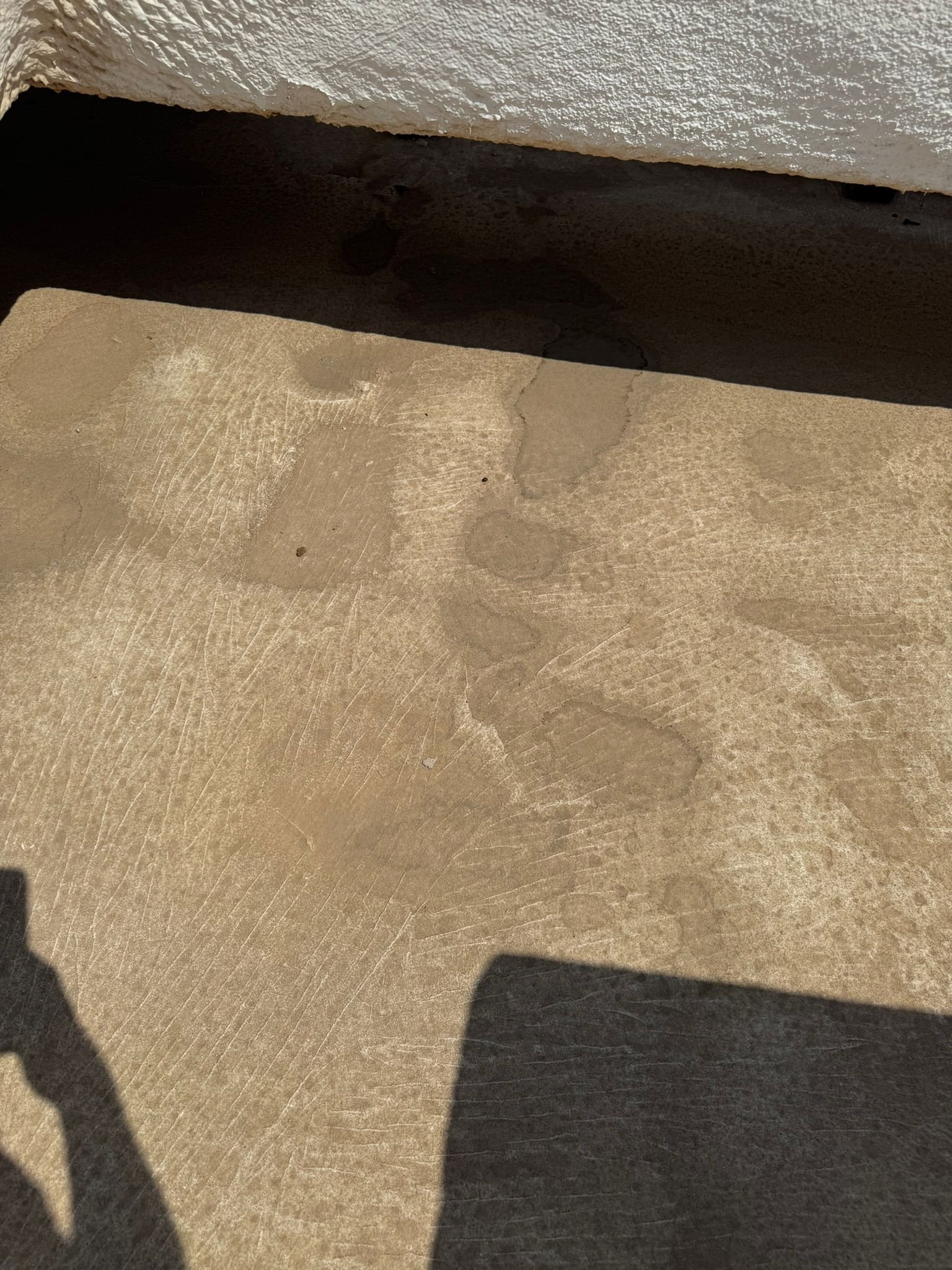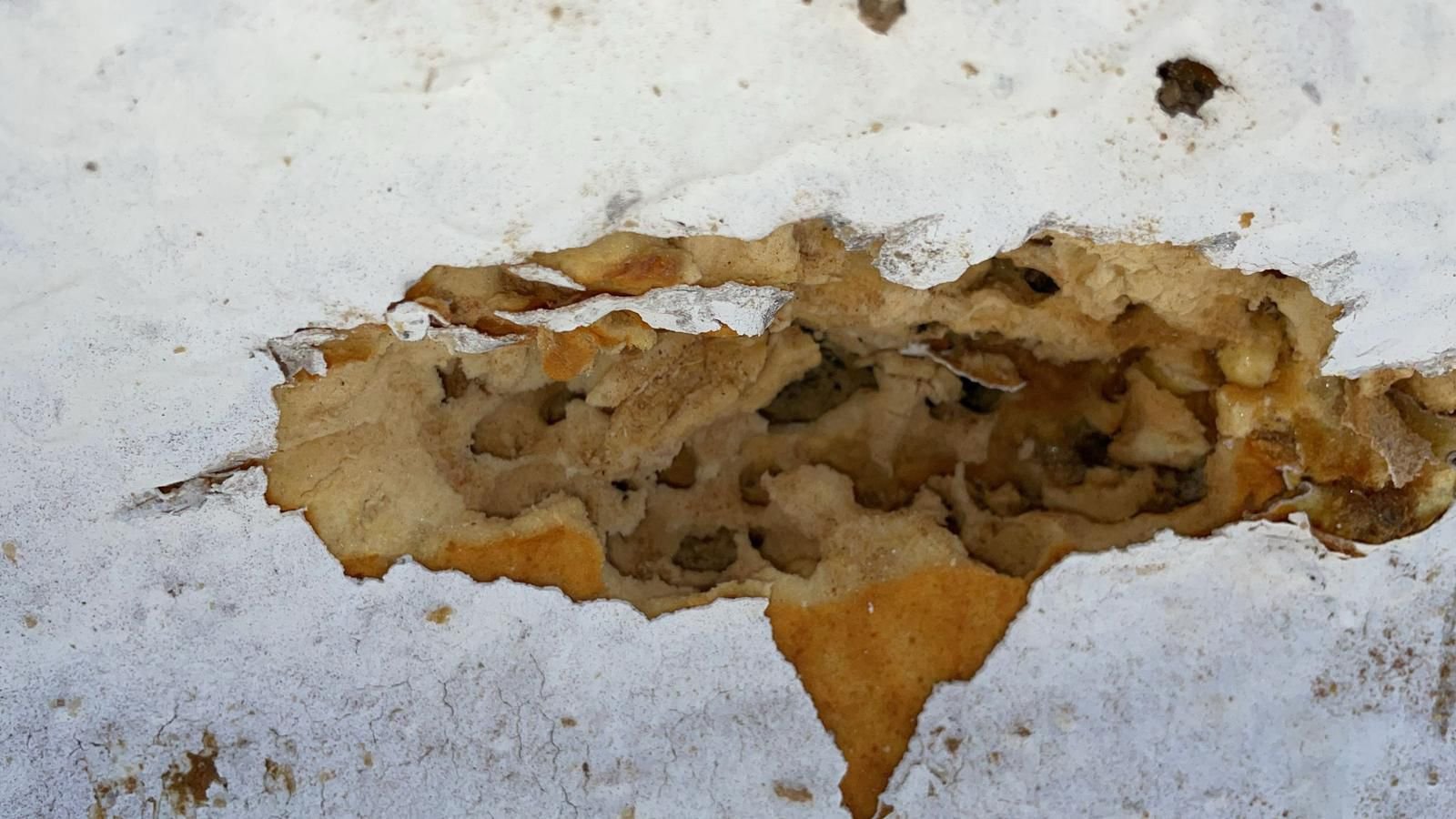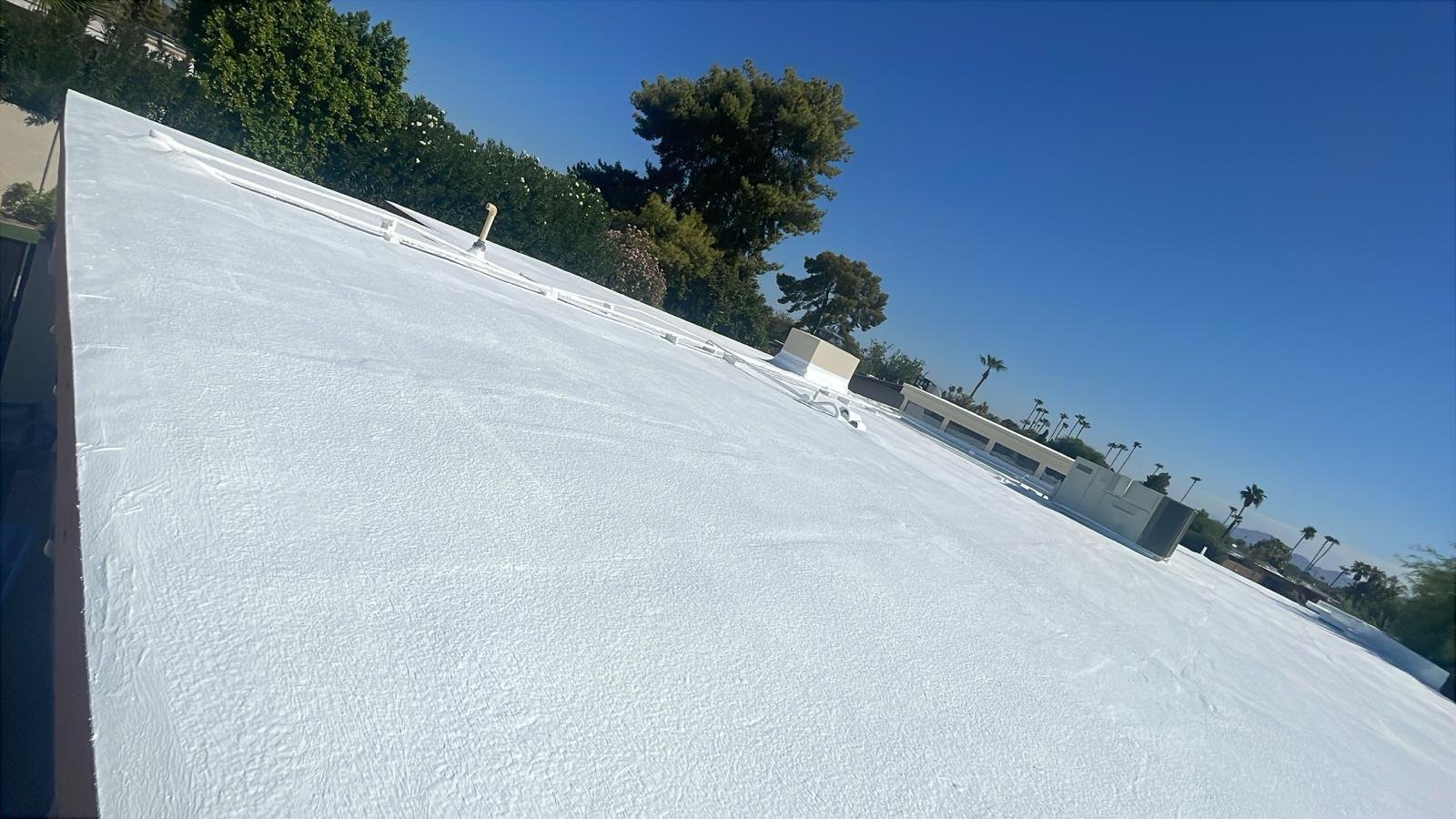
From the curb, a brand-new roof on a new build and a freshly replaced roof on an existing home can look identical. The process behind each is genuinely different, starting with what’s underneath and running all the way through how the city inspects the work.
The Core Difference: Starting Point
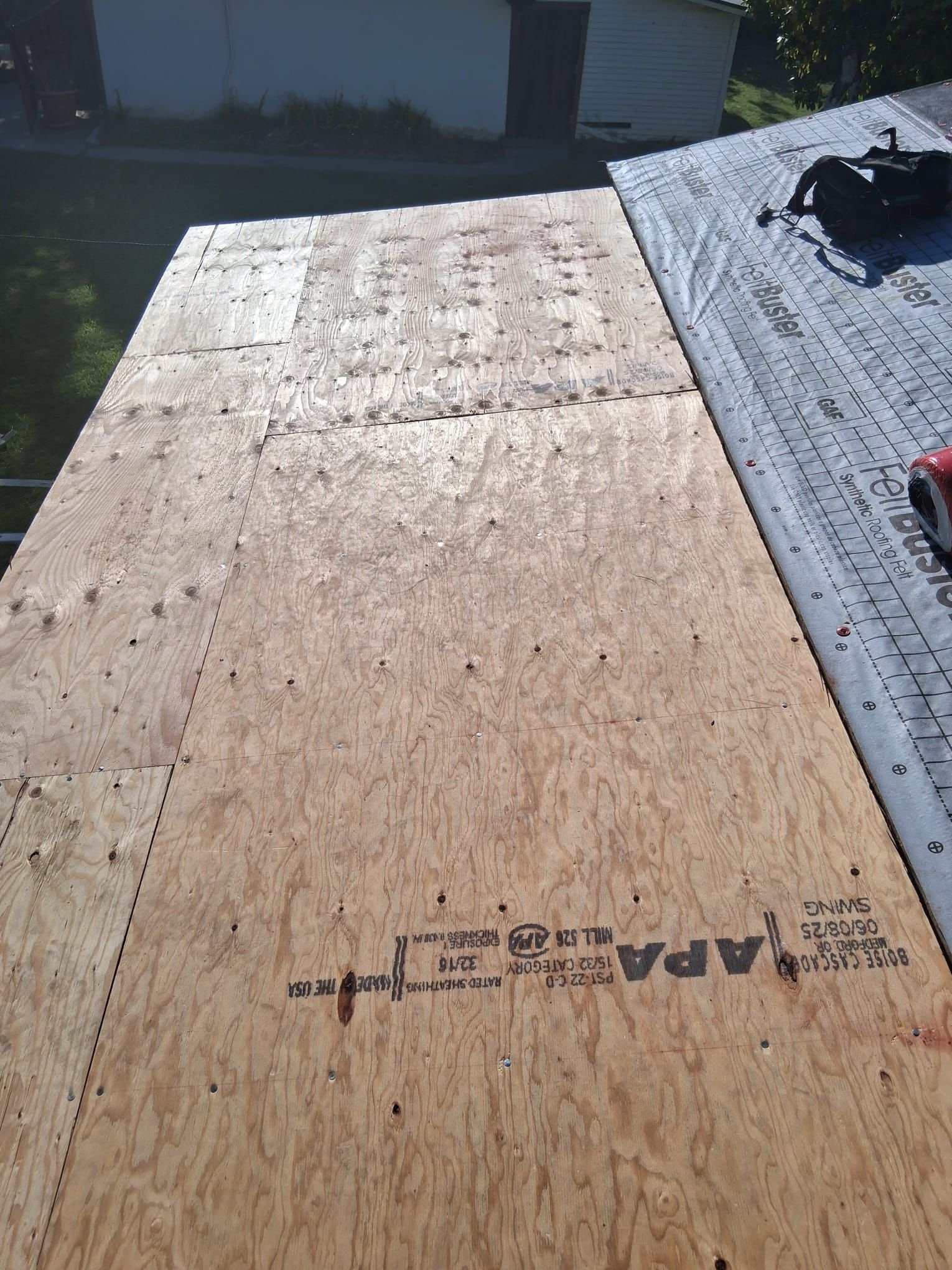
New construction roofing installs the first roofing system ever applied to a structure, built from bare framing up with no existing material to deal with. A re-roof on an existing home starts with a roof that’s already there, requiring removal and evaluation of the old system before anything new goes on. That single difference, nothing to tear off versus a full existing system to remove and assess, drives nearly every other distinction between the two project types.
How the Inspection Process Differs in Scottsdale
On new construction, roofing doesn’t get its own standalone inspection the way a re-roof does. It’s folded into the broader framing and pre-drywall inspection sequence: roof sheathing gets checked alongside strap and shear wall connections, and for a tile roof specifically, the structure is loaded with the actual tile on-site at the pre-drywall stage so the truss calculations can be verified under real weight before drywall conceals everything. A re-roof, by contrast, goes through its own dedicated three-step sequence under Scottsdale’s re-roofing guidance: a roof sheathing inspection, a flashing and felt (underlayment) inspection, and a final inspection, each scheduled independently of any other trade’s work.
The Overlay Question Only Applies to Re-Roofing
New construction has no overlay decision to make, there’s no prior roofing layer to overlay or tear off. A re-roof, on the other hand, can sometimes use the existing roof covering as a base for new material, but only when the building official confirms specific conditions: the existing structure can sustain the added dead load, the old covering is securely attached, the roof is structurally sound, and drainage remains adequate. Tile specifically may be applied over an existing covering only when city plan review approves it and structural data substantiates that the framing can support the added weight, a determination new construction never has to make since the structure is being designed for its roofing load from the start.
Coordination With Other Trades
New construction roofing has to fit into a sequence alongside framing, rough electrical, rough plumbing, and HVAC rough-in, all of which typically need to be inspected together before drywall goes up. A re-roof is a standalone project on an occupied or existing home, scheduled around the homeowner rather than coordinated with a dozen other active trades on a job site.
Designing for Ventilation vs. Retrofitting It
On new construction, intake and exhaust ventilation balance gets designed into the structure from the start, soffit and ridge vent sizing calculated against the actual attic volume before anything is built. On a re-roof, correcting a ventilation imbalance usually means working within an existing structure’s constraints, adding or modifying vents after the fact rather than designing the system from a blank slate.
What Doesn’t Change
Material code requirements, wind rating, fire classification, and underlayment standards apply the same way regardless of whether the roof is going on a brand-new structure or replacing an aging one. A builder’s roof passing inspection on day one also represents a code floor, not a performance ceiling, the same way a re-roof meeting minimum code doesn’t necessarily mean premium materials or workmanship were used.
Frequently Asked Questions About New Construction vs. Re-Roofing
Does new construction roofing get inspected differently than a re-roof in Scottsdale?
Yes. New construction roofing is inspected as part of the framing and pre-drywall phase alongside other trades, while a re-roof goes through its own separate three-step sequence: roof sheathing, flashing and felt, and final inspection.
Can a new construction roof be built with an overlay like a re-roof can?
No, there’s no overlay decision on new construction since there’s no existing roofing layer. The overlay-versus-tear-off question only applies to re-roofing an existing structure.
Is attic ventilation handled differently on new construction versus a re-roof?
Yes. New construction allows intake and exhaust sizing to be designed into the structure from the start based on actual attic volume, while a re-roof typically has to correct or improve ventilation within the constraints of an existing structure.
Does passing inspection on a new home’s roof mean it’s built to a high standard?
Not necessarily beyond the minimum. A builder’s roof meeting code on inspection day represents the code floor, not the ceiling, the same way minimum-code compliance on a re-roof doesn’t guarantee premium materials or workmanship were used.
Get Expert Help for Either Project Type
As a local roofing company serving Scottsdale, AZ, Tip Top Roofing Service handles both new construction roofing coordinated with your builder’s schedule and standalone re-roof projects on existing homes, each managed through the correct inspection process.
📞 Call Tip Top Roofing Service today at (480) 877-1643
📧 Email: info@tiptoproofingservice.com
🌐 Website: https://tiptoproofingservice.com/