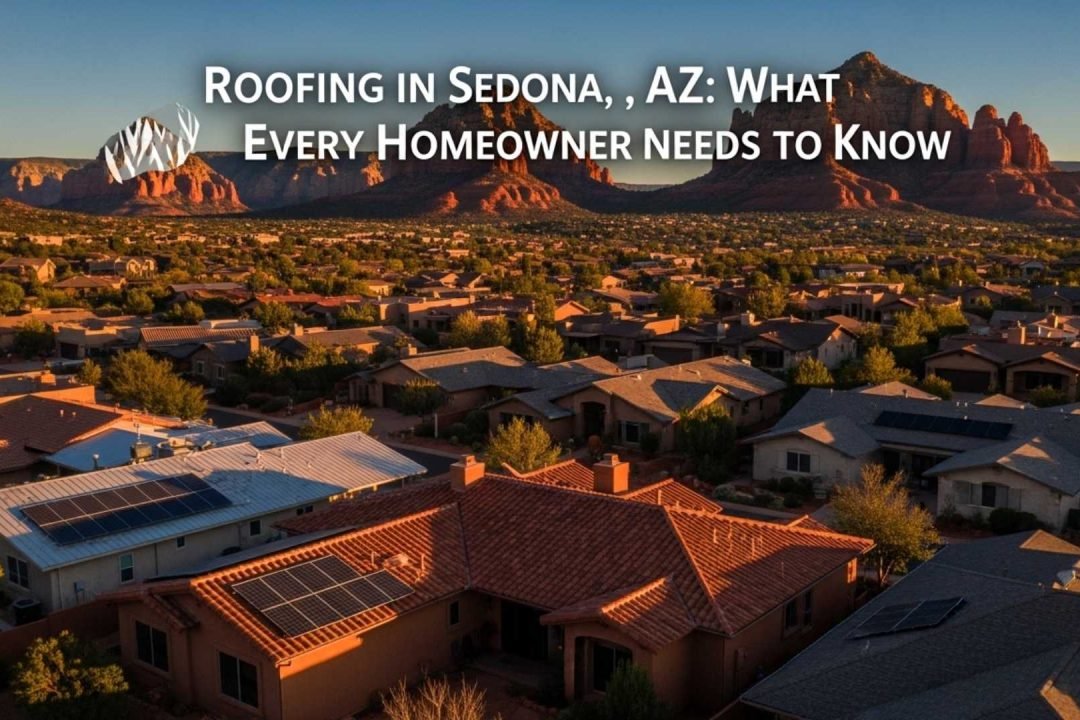
Sedona is unlike anywhere else in Arizona — and that extends well beyond its iconic red rock formations and world-class tourism. At an elevation of approximately 4,350 feet, Sedona experiences a climate that is meaningfully different from the Phoenix metro, with cooler temperatures, genuine winter weather, occasional snow, higher wind exposure, and a monsoon season that delivers precipitation differently than the desert floor below. It is also one of the most strictly regulated communities in Arizona when it comes to what a roof can look like — governed by the City of Sedona’s Land Development Code, Wildland-Urban Interface fire requirements, and in many neighborhoods, additional HOA design guidelines.
For Sedona homeowners, all of this means that roofing decisions carry more complexity than in almost any other Arizona community. The right contractor needs to understand not just how to install a quality roof, but how to navigate Sedona’s color approval process, meet WUI fire-resistance standards, work on properties with difficult terrain access, and select materials that perform across a climate that swings from summer heat to winter frost.
This guide covers everything Sedona homeowners need to know — from what the city’s codes actually require to what roofing costs in this market and how to find a contractor qualified to work here.
Sedona’s Climate: Why It Is Different From the Rest of Arizona
Most guides that mention Sedona roofing treat it like any other Arizona desert community. That is a mistake. Sedona’s elevation creates a genuinely distinct climate that affects roofing material selection, installation standards, and maintenance requirements in ways that Phoenix metro contractors may not fully appreciate.
Elevation of approximately 4,350 feet. Sedona sits more than 4,000 feet above sea level — significantly higher than Phoenix at 1,086 feet. This elevation brings cooler average temperatures, more precipitation, and genuine seasonal variation. Winter temperatures in Sedona regularly drop below freezing, and snow accumulation on roofs — while not heavy by northern standards — occurs every year and must be factored into roofing material and structural choices.
Snow load considerations. Unlike Phoenix metro roofs which never need to account for snow, Sedona roofs must meet snow load design criteria per Coconino County and City of Sedona building codes. This affects structural deck requirements and, in some cases, roofing material selection. A contractor who only works in the Phoenix metro may not be familiar with these requirements.
Higher wind exposure. Sedona’s canyon geography channels and amplifies wind — particularly during storm events. Monsoon storms that arrive from the south push through Oak Creek Canyon and surrounding terrain in ways that can be significantly more intense on Sedona properties than the same storm system delivers on the open valley floor. Wind uplift resistance is a meaningful consideration in roofing material and fastening specification here.
UV exposure at elevation. While Sedona is cooler than the Phoenix metro, UV radiation actually increases with elevation — approximately 4% per 1,000 feet of gain. Sedona roofs receive more intense UV exposure per degree of temperature than their Valley counterparts, which accelerates the degradation of roofing materials in ways that are easy to underestimate. To understand how Arizona’s climate shortens roofing lifespans across elevations, our full guide covers the picture statewide.
Monsoon precipitation is real in Sedona. Unlike areas further into the desert where monsoon storms can be brief and scattered, Sedona’s higher elevation and proximity to the Mogollon Rim means it receives meaningful monsoon precipitation — including hail events that are less common in the Valley below. Post-monsoon roof inspection is as important in Sedona as anywhere in Arizona.
Sedona’s Roofing Codes: What Every Homeowner Must Understand Before Replacing a Roof
This is where Sedona roofing becomes genuinely unique in Arizona — and where choosing the wrong contractor can result in expensive mistakes. Sedona has some of the most restrictive building design codes in the state, all designed to preserve the visual relationship between the built environment and the surrounding red rock landscape.
The City of Sedona’s Scenic Beauty Requirements
Under Section 5.7.F of the Sedona Land Development Code, exterior building materials and colors — including roofing — must match or enhance the tone of the surrounding landscape. The code specifically targets the color contrast between structures and Sedona’s natural environment: the dark greens of the vegetation and the rust reds and earth tones of the red rocks and soils. Highly reflective colors and materials are prohibited on roof surfaces. Bright whites, stark grays, and other high-contrast colors that are common choices in the Phoenix metro will not pass Sedona’s approval process.
For roofing specifically, this means your material color must fall within an approved range of earth tones — terra cottas, sandstones, warm browns, and muted neutrals that blend visually with the landscape. The City of Sedona requires physical color and material samples — not printouts or digital representations — to be submitted with permit applications. A contractor who is not familiar with this process and the specific palette ranges that consistently receive approval will cost you time and potentially require you to re-order materials.
Wildland-Urban Interface (WUI) Fire Requirements
A significant portion of Sedona’s residential properties — particularly those near undeveloped desert terrain, canyon edges, and the Coconino National Forest boundary — fall within the Sedona Fire District’s Wildland-Urban Interface zone. Properties within the WUI district are subject to additional requirements under the Sedona Fire District’s adopted WUI code amendments, which for roofing specifically require Class A fire-rated roof coverings.
Class A is the highest fire-resistance rating for roofing materials and means the roof must be able to withstand severe fire exposure from sources outside the structure. Most quality tile, metal, and modern architectural shingle systems meet Class A requirements — but not all products do, and installation details matter. A contractor working in Sedona’s WUI zone must understand these requirements and ensure the materials and installation methods they use meet the standard.
Before any roofing project in Sedona, confirm with your contractor whether your property falls within the WUI district and what specific materials and installation specifications are required for your project.
Permit Requirements
All roof replacements in Sedona require a building permit through the City of Sedona’s Community Development Department. The permit process includes a review of materials, colors, and compliance with both the Land Development Code and applicable building codes. Physical material and color samples with LRV (Light Reflectance Value) and chroma documentation are required as part of the permit submission. Your contractor should handle the permit application and coordinate with the City of Sedona on your behalf — and should be completely familiar with the submission requirements before starting the process.
The Most Common Roofing Problems on Sedona Properties
Sedona’s specific climate combination — UV at elevation, winter freeze-thaw cycles, wind exposure, and monsoon precipitation — creates roofing failure patterns that differ from the Phoenix metro in important ways.
Freeze-Thaw Damage on Tile and Flashing
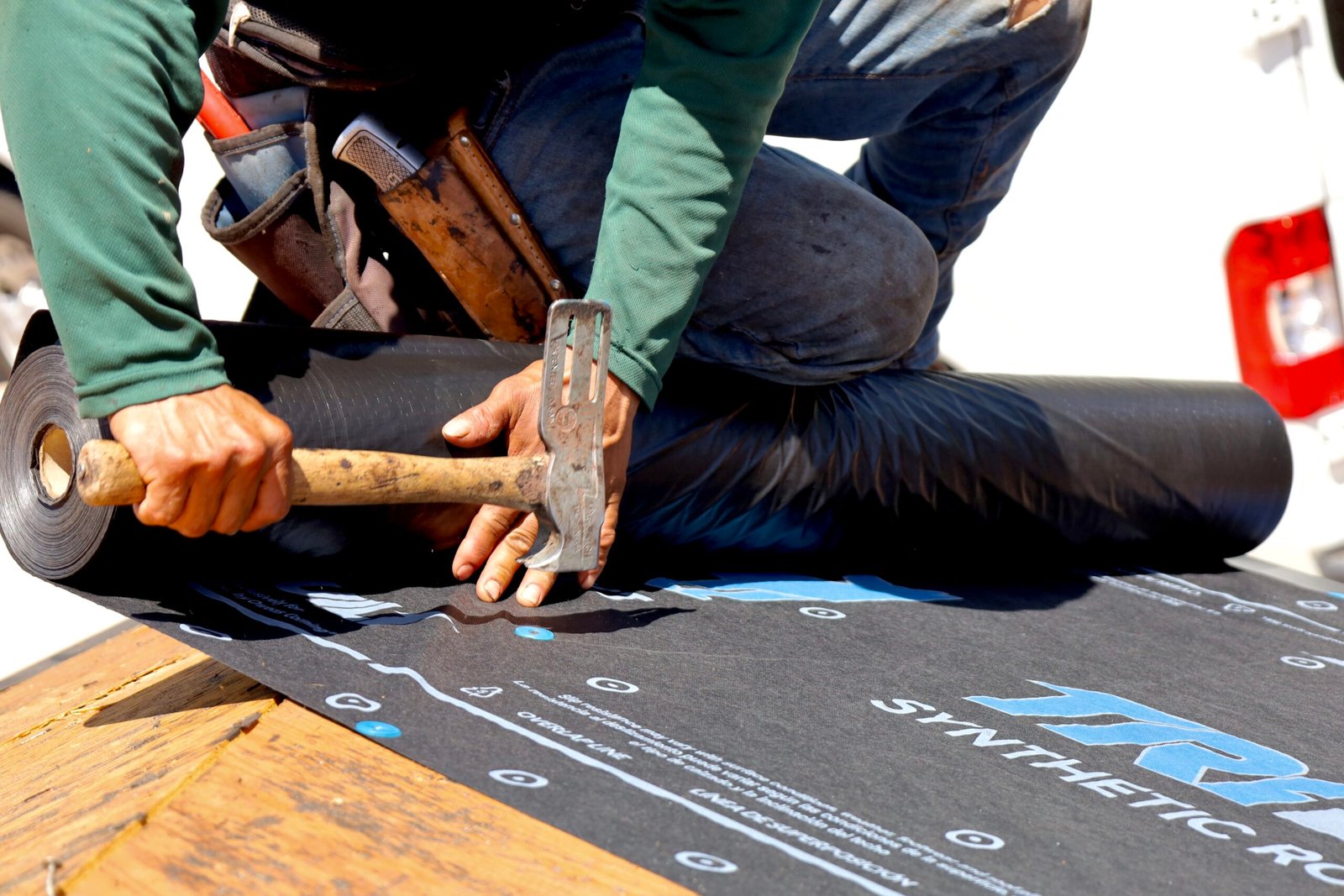
This is a problem that does not exist in Phoenix but is real in Sedona. When water works its way under tile or into flashing gaps and then freezes overnight, the expansion can crack tile, lift flashing, and open gaps that allow more water entry the next time it rains. Over several winters, this cycle of freeze-thaw damage can compromise roofing components that appear intact from the surface. Properties in shaded areas or on north-facing slopes — where freezing temperatures persist longer — are most susceptible. Proper underlayment installation is particularly critical in Sedona’s climate for this reason.
Wind-Driven Debris and Tile Damage
Sedona’s canyon geography channels wind in ways that can be surprisingly intense — particularly during monsoon season and winter storm events. Wind-driven debris — branches, red rock granules, and organic material from Sedona’s juniper and pinyon pine vegetation — strikes and accumulates on roofing surfaces in ways that accelerate wear and create debris dams in valleys and gutters. Tile roofs on properties with wind exposure from the north or southwest are particularly prone to tile displacement during high-wind events.
Underlayment Degradation Accelerated by Elevation UV
UV radiation increases with elevation, and Sedona’s 4,350-foot position means roofing underlayment degrades faster per year than the same product installed in the Phoenix metro despite lower air temperatures. Many Sedona homeowners underestimate this because the cooler climate feels less harsh — but the UV intensity at elevation tells a different story. Tile roofs approaching 20 years of age in Sedona should have their underlayment assessed regardless of how intact the tile surface appears.
Hail Damage
Sedona experiences hail events far more frequently than the Phoenix Valley floor. Monsoon storms that develop over or near the Mogollon Rim often contain hail as they move through Sedona’s elevation zone. Asphalt shingles are the most vulnerable material to hail impact — granule loss from hail strikes is difficult to distinguish from UV-related granule loss without a professional inspection. After any significant storm event in Sedona, a professional roof inspection that specifically assesses hail impact is worthwhile — both for maintenance purposes and for potential insurance claims.
Vegetation Debris Accumulation
Sedona’s natural landscape includes juniper, pinyon pine, manzanita, and other vegetation that drops debris onto roofs and into gutters continuously. Unlike the Phoenix metro where vegetation near homes is often minimal or desert-adapted, many Sedona properties have significant tree coverage that means gutters require more frequent clearing and roof valleys accumulate debris more rapidly. Blocked drainage in Sedona’s wetter climate is more consequential than in the drier Valley below.
Flashing Failures at Penetrations
Sedona’s freeze-thaw cycles put particular stress on the sealant and caulking used at all roof penetrations — vents, pipes, chimneys, and skylights. Sealant that contracts in cold and expands in heat eventually develops cracks and gaps that allow water entry. These failures are invisible from the ground and are found only through professional inspection. Given Sedona’s real precipitation levels, these penetration failures become active leaks faster than they would on a Phoenix metro property receiving far less rain.
Roofing Materials That Work in Sedona’s Climate and Pass the City’s Code Requirements
Material selection in Sedona must satisfy two separate criteria simultaneously: performance in Sedona’s unique climate and compliance with the City’s scenic beauty color requirements. Not all materials that perform well also pass Sedona’s approval process without careful color selection.
Clay and Concrete Tile
Tile is the dominant material in Sedona’s established residential neighborhoods — and it is the strongest fit for both the city’s aesthetic requirements and its climate demands. Terra cotta, sandstone, and earth-tone tile profiles align naturally with Sedona’s approved color palette and complement the Southwestern architectural styles prevalent throughout the community. Tile handles UV exposure at elevation well, is Class A fire-rated, and can survive freeze-thaw cycles better than most materials when properly installed with quality underlayment. Lifespan in Sedona’s conditions can reach 50 years or more with underlayment replacement every 20 to 25 years. For a full comparison of the best roof types for Arizona homes, our guide covers all material options in detail.
Metal Roofing
Metal roofing is an excellent performer in Sedona’s climate — handling freeze-thaw cycles, wind, hail, and UV exposure exceptionally well across a 40 to 70-year lifespan. It is Class A fire-rated, making it appropriate for WUI zone properties. The challenge in Sedona is color compliance — standard galvanized or bright metal finishes will not pass the city’s scenic beauty review. Matte earth-tone powder-coat finishes in appropriate rust, brown, or dark green tones are available and do pass Sedona’s approval process. A contractor familiar with Sedona’s color requirements should guide material selection before any metal product is ordered. Our guide on metal roofing performance in Arizona covers the full picture on this material option.
Asphalt Shingles
Architectural asphalt shingles are the most affordable option and are available in earth-tone colors that can meet Sedona’s scenic beauty requirements. They are Class A fire-rated when properly specified. In Sedona’s climate, impact-resistant rated shingles are worth the modest cost premium given the community’s hail exposure. Realistic lifespan in Sedona is 15 to 20 years — shorter than in Phoenix due to hail and freeze-thaw exposure despite the cooler temperatures. For homeowners on a tighter budget, shingles are a workable solution when properly specified and color-approved before installation begins.
What Does Roofing Cost in Sedona, AZ?
Roofing costs in Sedona are higher than the Phoenix metro for several reasons: difficult terrain access on many properties, the additional time required for city permit and color approval processes, the smaller pool of qualified local contractors, and in some cases premium material requirements for WUI compliance. Here is a realistic cost guide for Sedona:
| Service | Estimated Cost Range | Notes |
|---|---|---|
| Professional roof inspection | $150 – $400 | More complex on steep/elevated terrain |
| Minor repair (tile, flashing, sealant) | $300 – $1,000 | Access difficulty may add cost |
| Hail damage repair (shingles) | $500 – $2,500+ | Scope dependent; often insurance-covered |
| Underlayment section replacement | $800 – $2,500 | Freeze-thaw and UV damage common |
| Full tile underlayment replacement | $12,000 – $25,000+ | Tiles removed, underlayment replaced, tiles reset |
| Full shingle replacement | $10,000 – $18,000 | Impact-resistant products recommended |
| Full tile replacement (new tile) | $18,000 – $35,000+ | Color approval adds timeline |
| Full metal roof installation | $20,000 – $40,000+ | Earth-tone powder coat required for code |
Pricing reflects current Sedona market conditions. City of Sedona permits are required for all roof replacements. Color sample submission and approval adds time to the project start — factor two to four weeks for permit processing when planning your project timeline. Final costs depend on roof size, pitch, terrain access, and any structural issues found during inspection. Always request a written itemized estimate before work begins.
The Sedona Color Approval Process: What Homeowners Need to Know
Because this process surprises so many Sedona homeowners, it deserves its own dedicated section. The City of Sedona does not accept digital representations or printouts of roofing colors for permit review. Physical samples of proposed materials — actual pieces of tile, shingle, or metal panel — with documented LRV (Light Reflectance Value) and chroma values must be submitted as part of the permit application.
This means the sequence for a Sedona roofing project is different from a Phoenix metro project. In Phoenix, you select a material, sign a contract, and the contractor pulls a permit and starts. In Sedona, you must select a material and color, submit physical samples, receive city approval of those specific materials and colors, and only then can the permit be issued and work begin. Selecting the wrong color — even a color that looks close to an earth tone — can result in rejection and require reordering of materials, adding weeks or months to your project timeline.
An experienced Sedona roofing contractor will guide you toward materials and colors that have a proven track record of approval — shortcutting the trial-and-error process and keeping your project on schedule. This is one of the clearest markers of genuine Sedona roofing experience versus contractors who are attempting a project in the market for the first time.
Repair or Replace? The Sedona-Specific Framework
The same basic repair-versus-replacement logic that applies everywhere applies in Sedona — with one important addition: the color approval and permit process in Sedona creates an incentive to be forward-thinking about timing. A repair that extends a roof’s life by two or three years may be appropriate, but if a full replacement is likely within the next five years, planning ahead — and going through the approval process once for a planned replacement rather than twice for a repair followed by a replacement — can save meaningful time and frustration.
Our guide on when to repair versus replace your roof in Arizona covers the full financial framework. The Sedona-specific addition is simply this: factor the permit and color approval timeline into your planning, and if replacement is on the horizon, consider whether repair is the right bridge or whether planning the replacement now makes more sense. And always review the real ROI of roof replacement before committing to either path.
How to Choose a Roofing Contractor in Sedona, AZ
Verify active ROC license. All Arizona roofing contractors must hold an active license through the Arizona Registrar of Contractors. Verify at azroc.my.site.com before signing anything. This is non-negotiable in any Arizona city.
Confirm specific Sedona experience. Ask directly whether the contractor has completed roofing projects in Sedona and navigated the city’s color approval and permit process. Ask how many Sedona projects they have completed and whether they can provide local references. Contractors who primarily work in the Phoenix metro may not understand Sedona’s code requirements, WUI standards, snow load considerations, or color approval process.
Confirm WUI zone knowledge. If your property is near undeveloped terrain or the national forest boundary, ask specifically whether the contractor understands Sedona Fire District WUI requirements and what Class A materials they recommend for your specific situation.
Understand the timeline. A Sedona roofing project takes longer than a Phoenix metro project because of the permit and color approval process. Any contractor who quotes you a rapid start without addressing the approval timeline either does not understand the process or is planning to skip it. Both are serious red flags. Our guide on the most common mistakes homeowners make when choosing a roofing company covers the warning signs that apply across all Arizona markets.
Get everything in writing. A professional estimate for a Sedona roofing project should detail materials with specific color designations, the permit process and timeline, all labor and material costs, and warranty terms — in writing before work begins.
Roofing in Sedona, AZ? Tip Top Roofing Service Is Ready
Tip Top Roofing Service is a GAF-certified, BBB-accredited roofing contractor with over 10 years of experience serving Sedona and the greater Arizona area. We understand Sedona’s Land Development Code color requirements, WUI fire standards, and the unique climate demands that elevation, freeze-thaw cycles, and canyon wind exposure create for every roof in this community.
What you get when you work with us:
- Free roof inspection and written estimate — no pressure, no obligation
- Licensed and insured in Arizona: ROC License #355034
- Experience navigating Sedona’s city permit and color approval process
- Class A fire-rated material guidance for WUI zone properties
- Free estimates for new roof installations
- 0% interest financing over 12 months — learn more about financing a new roof in Arizona
- Up to 30-year material warranties on qualifying systems
- Full insurance claim assistance — hail and storm documentation through settlement
- More than 100 five-star Google reviews from verified Arizona homeowners
We serve Sedona, Paradise Valley, Fountain Hills, Cave Creek, Scottsdale, Phoenix, and communities across Arizona.
Call (480) 877-1643 or email info@tiptoproofingservice.com to schedule your free Sedona roof inspection today.
Frequently Asked Questions: Roofing in Sedona, AZ
Do I need city approval before replacing my roof in Sedona?
Yes. The City of Sedona requires a building permit for all roof replacements, and that permit process includes review and approval of your roofing material and color. Physical samples of proposed materials — not printouts — must be submitted with documented LRV and chroma values. A knowledgeable contractor handles this process on your behalf and guides you toward colors with a proven approval track record to avoid delays.
What roofing colors are approved in Sedona?
Sedona’s Land Development Code requires that roofing colors match or enhance the tone of the surrounding landscape — meaning earth tones in the range of terra cotta, rust red, sandstone, warm brown, and muted neutral tones that blend with the red rocks and desert vegetation. Highly reflective finishes, bright whites, and stark grays are prohibited. Your contractor should provide physical samples of materials that have previously received approval and can provide guidance on the specific range that consistently meets the city’s scenic beauty standards.
Does my Sedona property require a Class A fire-rated roof?
If your property falls within the Sedona Fire District’s Wildland-Urban Interface zone — which covers a significant portion of Sedona’s residential areas near undeveloped terrain and the national forest boundary — Class A fire-rated roofing is required. Most quality tile, metal, and modern architectural shingle systems meet this standard, but installation details and specific product specifications matter. Confirm with your contractor whether your property is within the WUI district before selecting materials.
How does Sedona’s climate differ from Phoenix for roofing purposes?
Sedona sits at approximately 4,350 feet of elevation, bringing cooler temperatures, real winter weather with occasional snow, freeze-thaw cycles, higher wind exposure from canyon geography, and more frequent hail during monsoon season. UV radiation is also more intense at elevation. These factors mean roofing materials must handle conditions that Phoenix metro products are never tested against — including snow load structural requirements and freeze-thaw expansion stress on tile and flashing.
How long do roofs last in Sedona’s climate?
Tile roofs in Sedona can last 50 years or more with underlayment replacement every 20 to 25 years. Metal roofs typically last 40 to 70 years. Asphalt shingles in Sedona realistically deliver 15 to 20 years — shorter than in Phoenix due to hail and freeze-thaw exposure. For a full breakdown of how long roofs last across Arizona’s climates, see our dedicated guide.
Does homeowner’s insurance cover hail damage in Sedona?
Hail damage from a covered storm event is typically covered under standard Arizona homeowner’s insurance policies. Sedona experiences hail more frequently than the Phoenix metro, making this a relevant coverage consideration for all Sedona homeowners. Document any storm damage with photographs immediately after the event and request a professional inspection before an adjuster visits. For a full breakdown of what Arizona home insurance covers for roofing, see our complete guide. Tip Top Roofing Service assists Sedona homeowners with full documentation and the insurance claims process.
Tip Top Roofing Service | (480) 877-1643 | info@tiptoproofingservice.com | tiptoproofingservice.com | 6830 E 5th Ave #205, Scottsdale, AZ 85251 | ROC License #355034