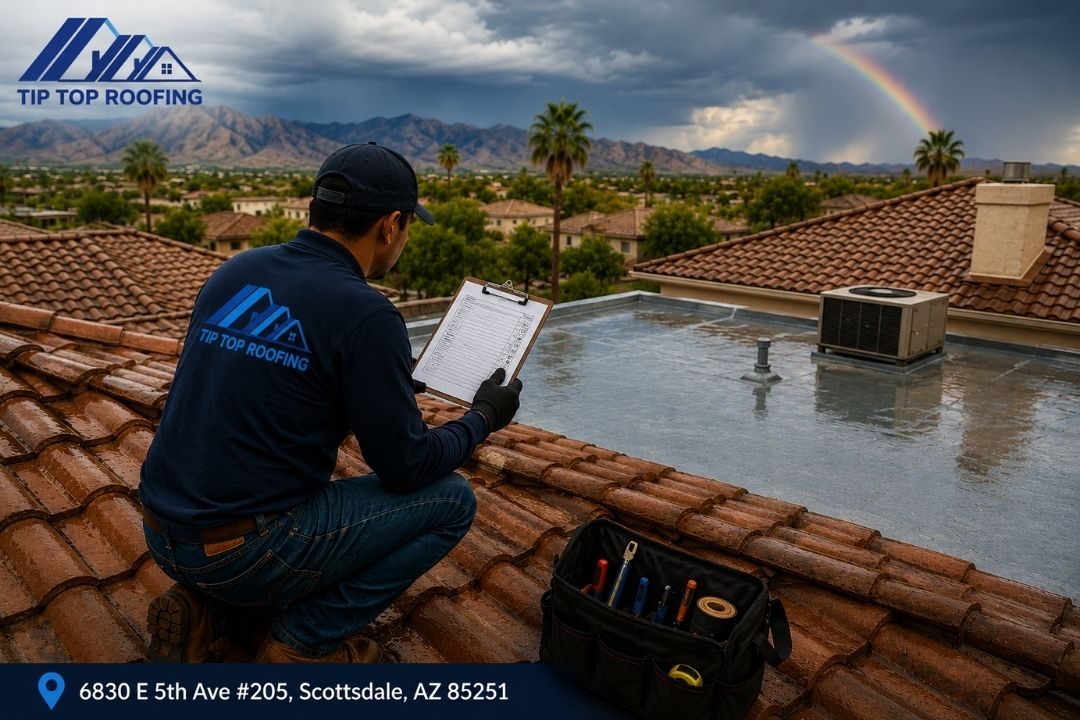
The storm has passed, the skies have cleared, and your Scottsdale home looks fine from the driveway. For many homeowners, that is where the inspection stops — and it is exactly why monsoon-related roof damage so often goes unnoticed until it turns into a much larger, much more expensive problem. Arizona’s monsoon season, which the National Weather Service defines as June 15 through September 30, regularly produces winds strong enough to lift shingles and displace tiles, rainfall heavy enough to overwhelm gutters and drainage systems, and hail in some storms capable of bruising roofing materials without leaving an obvious mark. This checklist walks Scottsdale homeowners through exactly what to inspect after every significant monsoon storm, including the subtle, easy-to-miss signs of damage that a quick glance from the yard will not reveal.
Why a Post-Storm Check Matters Even When Nothing Looks Wrong
Roof damage from monsoon storms is rarely dramatic. It is far more common for a storm to loosen a shingle’s adhesive seal, dent a section of flashing, or crack a single roof tile than it is for an entire section of roofing to blow off. These smaller forms of damage are easy to overlook because the roof still looks intact from the ground, and the home may not show any signs of a leak for weeks or even months. By the time water stains appear on a ceiling, the roofing system has often already been compromised for a significant period of time, and the repair scope — along with the cost — has grown considerably. A methodical post-storm check closes that gap by catching damage while it is still a small, inexpensive fix rather than a structural repair.
This is particularly true in Scottsdale, where a mix of clay and concrete tile roofs, asphalt shingle roofs in newer developments, and flat or low-slope roofs on custom and luxury properties all respond differently to wind, rain, and hail. Each roofing type has its own specific failure points, which is why this checklist is broken out by roof type below.
Before You Begin: Safety Comes First
Never climb onto a roof immediately after a storm, or at any point when conditions are wet, windy, or unstable. Wet tile and shingle surfaces are extremely slick, and storm-loosened materials can give way unexpectedly under weight. A thorough post-monsoon check can be done almost entirely from the ground using binoculars, supplemented by an interior walkthrough of the attic and ceilings. Any closer inspection of the roof surface itself should be left to a trained professional using proper fall-protection equipment.
Post-Monsoon Roof Checklist by Section
1. Ground-Level Exterior Walkthrough
Start by walking the full perimeter of your home and looking up at the roofline from multiple angles, since damage is often only visible from certain sightlines. Look for tiles or shingles that appear cracked, curled, lifted, or entirely missing, along with any obvious gaps in the roofline where the underlayment or deck might be exposed. Check the yard, gutters, and pool area for pieces of roofing material, granules, or tile fragments that may have come loose during the storm and fallen to the ground, since debris on the ground is often the first visible clue that something on the roof needs attention.
2. Gutters and Downspouts
Inspect gutters for physical damage such as bending, separation from the fascia, or sagging sections caused by wind or the weight of debris. Just as important, look inside the gutters for an unusual amount of granule buildup, which looks like coarse black or gray sand. Excessive granules in the gutter after a storm typically indicate that shingles were battered hard enough to lose a significant portion of their protective coating, which accelerates aging even if no shingles are visibly missing. Confirm downspouts are still clear and directing water away from the foundation, since a downspout knocked loose or clogged with storm debris can quietly redirect water against your home’s foundation for months.
3. Flashing Around Roof Penetrations
Flashing is the thin metal material installed around chimneys, plumbing vents, skylights, roof-to-wall intersections, and solar mounting hardware to create a watertight seal where roofing materials alone cannot fully close the gap. Monsoon winds and windblown debris commonly dent, lift, or separate flashing at these transition points, and the damage is often subtle enough that it does not cause an immediate leak. Check for loose or lifted metal edges, visible gaps where flashing meets the roof surface, and any dimpling or denting that could indicate hail impact. Because flashing failures are one of the leading causes of post-storm leaks in Arizona, this is one of the most important areas to check carefully, even though the damage is rarely obvious at a glance.
4. Tile Roof Inspection Points
Tile roofs are common throughout Scottsdale and generally hold up well to monsoon winds, but individual tiles can crack, chip, or slip out of alignment from wind uplift or debris impact. From the ground, look for tiles that appear discolored, displaced, or noticeably out of line with the surrounding pattern. A single cracked or displaced tile exposes the underlayment beneath it to direct sun and water, and because the underlayment is not designed for prolonged UV exposure, even one compromised tile left unaddressed can lead to a deteriorated underlayment and an eventual leak. Never attempt to walk your tile roof yourself to inspect it more closely; incorrect foot placement can crack additional tiles that were otherwise undamaged. Our guide on whether you can walk on your tile roof in Arizona explains why this matters and what a professional inspection involves instead.
5. Asphalt Shingle Inspection Points
For homes with asphalt shingle roofs, check for shingles that are curling at the edges, lifted from their original position, or missing entirely, all of which can allow water to reach the roof deck. Pay close attention to granule loss, since the granules on an asphalt shingle protect it from UV radiation and without them the shingle ages far more quickly. A moderate amount of granule loss after a single storm is normal, but heavy, concentrated granule buildup in gutters is a sign the shingles took a significant beating and should be evaluated by a professional.
6. Flat and Low-Slope Roof Inspection Points
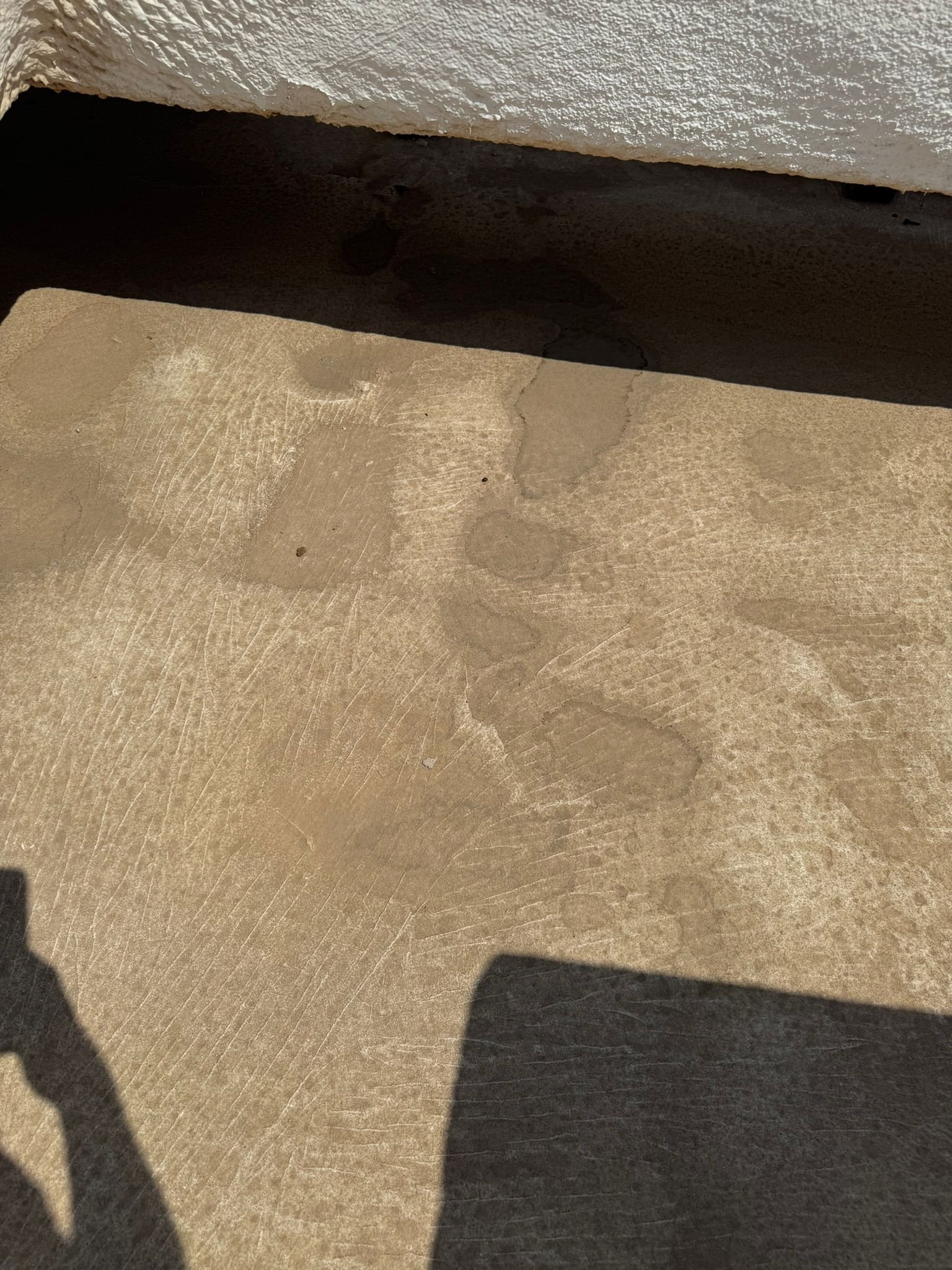
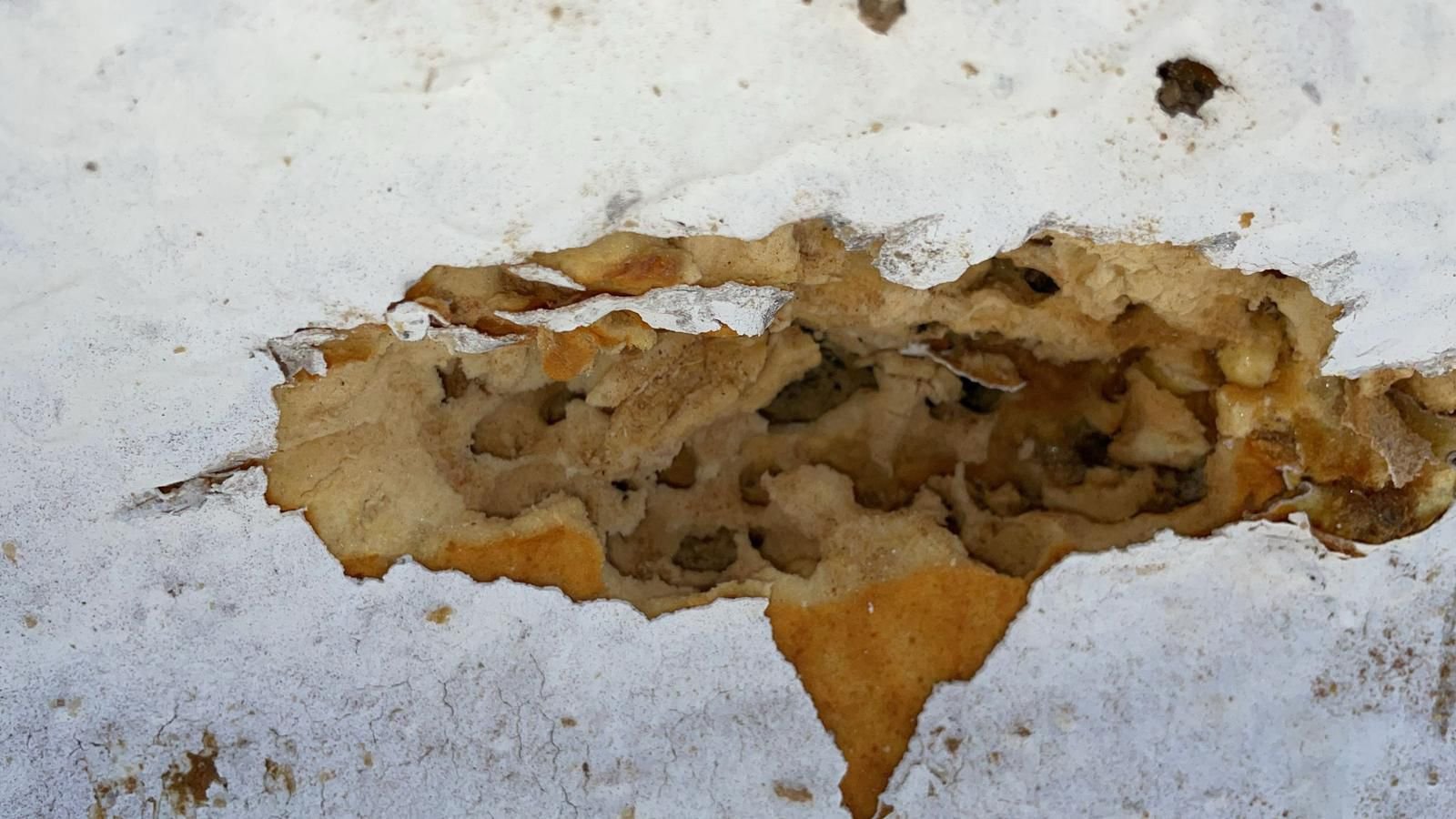
Flat roofs depend entirely on proper drainage, and monsoon storms are the single hardest test of that drainage system all year. Check that roof drains and scuppers are completely clear of storm debris, and look for any areas where water appears to be pooling more than 24 to 48 hours after the rain has stopped. Standing water accelerates deterioration of the roofing membrane or coating and adds substantial weight to the roof structure over time. Also inspect the coating or membrane surface itself for any new cracks, seam separations, or areas where the surface appears blistered or lifted, since these are common failure points after a heavy storm. If your flat roof coating is aging and you are unsure whether a recoat is needed, our guide on flat roof coating costs in Arizona breaks down current pricing and what affects it.
7. Roof Valleys and Water Channels
Valleys are the sections where two roof planes meet and carry the highest concentration of water flow during a storm. Debris that collects in valleys during a monsoon storm can trap moisture against the roofing material long after the storm has passed, accelerating material breakdown in that specific area. Clear any visible debris from valleys and check for discoloration or wear that suggests water has been sitting there.
8. Interior Attic and Ceiling Check
Some of the most reliable signs of storm damage show up inside the home before they become visible on the roof itself. Walk through your attic with a flashlight and look closely at the underside of the roof deck and rafters for water stains, dark discoloration, or a musty odor, all of which point to moisture intrusion. Inside living spaces, check ceilings for yellow or brown staining, bubbling paint, or soft spots in drywall, particularly in rooms located beneath valleys, chimneys, or skylights where leaks are most likely to originate. Our guide on how to find a roof leak from inside your home covers this process in more detail, including areas that are commonly overlooked.
9. Roofline and Structural Observation
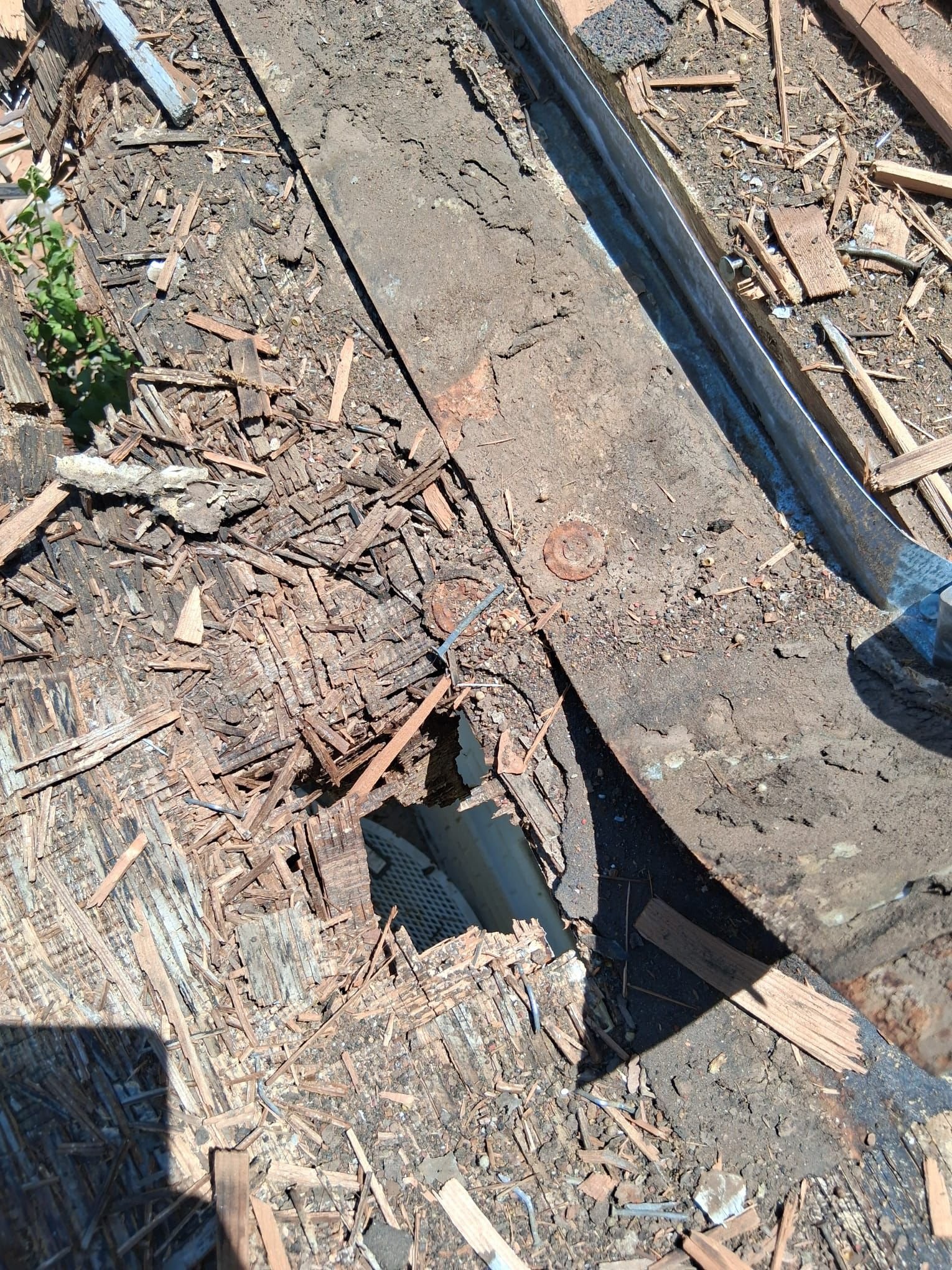
Step back from the house and observe the overall roofline from a distance. A sagging or uneven roofline can indicate that the deck or structural framing underneath has absorbed moisture and weakened, which is a more serious issue than surface-level material damage and warrants a professional structural evaluation right away rather than a routine repair.
Documenting Damage for Insurance Purposes
If you identify any damage during your post-monsoon check, photograph it clearly and from multiple angles before any repairs begin, including wide shots that show the damage in context and close-up shots of the specific issue. Most homeowners insurance policies cover roof damage caused by a sudden, specific storm event such as high winds or hail, but they typically do not cover damage attributed to a lack of maintenance, which is why timely documentation and a prompt inspection matter. Our guide on how to file a roof insurance claim in Arizona walks through what documentation insurers typically require and how the claims process works from start to finish.
When to Call a Professional Instead of Handling It Yourself
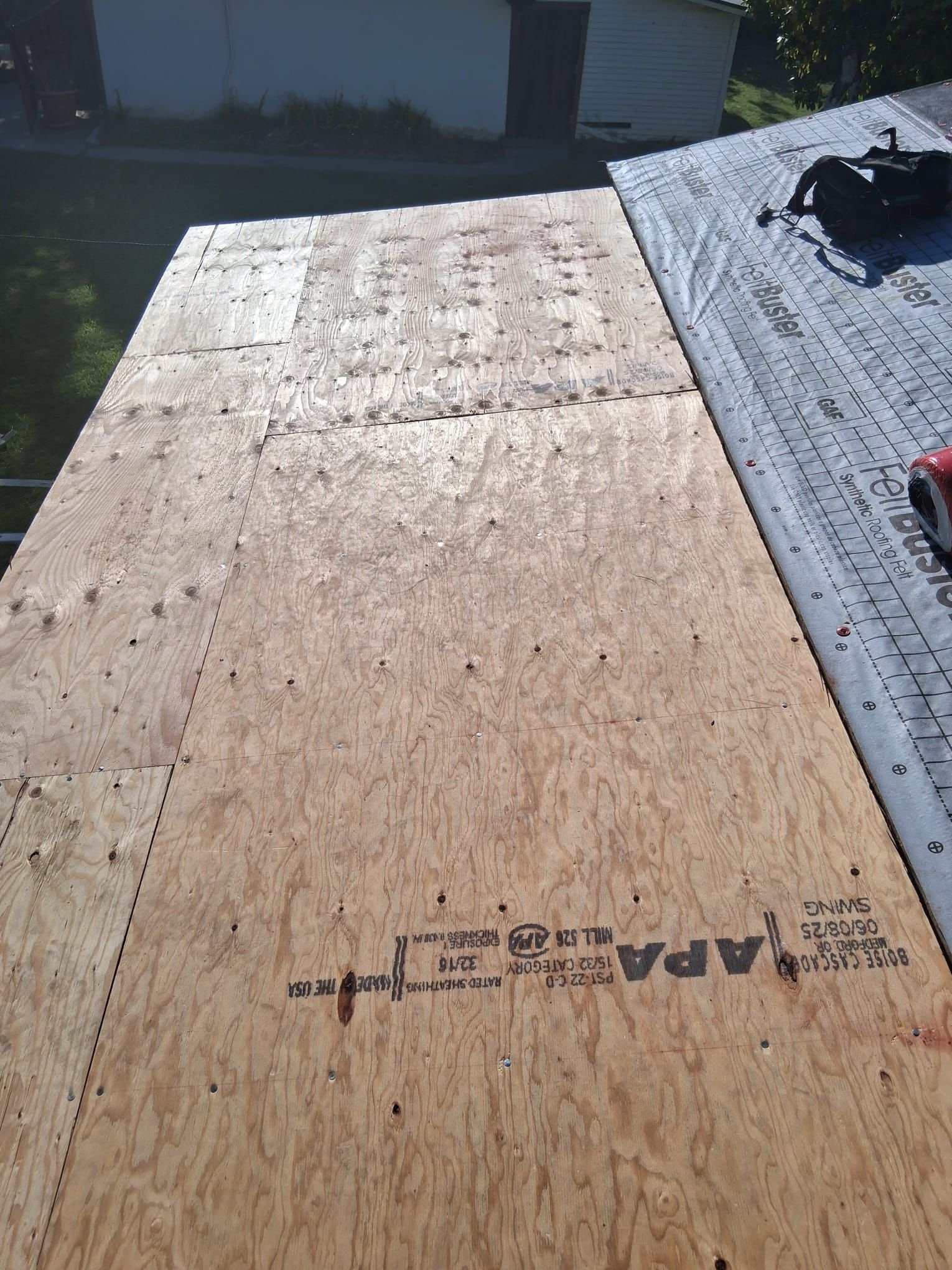
Certain post-storm findings should always go to a licensed roofing contractor rather than a DIY fix. This includes any damage to flashing, since improper resealing is a common cause of repeat leaks; any tile or shingle damage beyond a small, isolated area; any sign of a sagging roofline; and any interior water staining, regardless of how minor it appears. A professional inspection can also identify damage that is not visible from the ground at all, such as underlayment deterioration beneath tiles that otherwise look intact, or membrane seam separation on a flat roof that has not yet started to leak. Given how much monsoon storm damage in Arizona develops gradually rather than all at once, a professional post-storm inspection after any significant storm is one of the most cost-effective things a Scottsdale homeowner can schedule each season.
How Many Times Should You Check Your Roof During Monsoon Season?
Because Arizona’s monsoon season typically produces multiple significant storms between June and September, a single post-storm check at the end of the season is not enough. Ideally, homeowners should do a quick ground-level visual check after every storm that produces heavy rain, high winds, or hail, and schedule a full professional inspection after any storm that causes visible exterior damage or any indication of a leak. A final, more thorough inspection at the end of the season, once monsoon activity has wound down in late September, helps confirm the roof is fully prepared to handle the dry, high-UV months ahead.
Post-Monsoon Roof Checklist FAQ
How soon after a monsoon storm should I inspect my roof?
As soon as it is safe to do so, ideally within a day or two of the storm passing. Prompt inspection makes it easier to catch and document damage before subsequent storms compound the problem, and it also strengthens any insurance claim by establishing a clear timeline.
What are the most common signs of monsoon roof damage that homeowners miss?
The most commonly missed signs are excessive granule loss in gutters, dented or lifted flashing around chimneys and vents, and hairline cracks in roof tiles that are not visible from a casual glance. These issues rarely cause an immediate leak, which is exactly why they are overlooked until the damage has progressed further.
Does homeowners insurance cover monsoon roof damage in Arizona?
Most homeowners insurance policies cover roof damage caused by a sudden, specific event such as wind or hail, but they typically exclude damage caused by lack of maintenance or gradual wear. Documenting damage promptly with photos and a professional inspection report supports a stronger claim.
Can I inspect my own roof after a storm, or do I need a professional?
Homeowners can safely perform a ground-level visual inspection using binoculars along with an interior attic and ceiling check. Climbing onto the roof itself, especially a tile or wet roof surface, should be left to a trained professional, since improper foot placement can cause additional damage and create a fall risk.
What is the biggest risk of skipping a post-monsoon roof inspection?
The biggest risk is that small, inexpensive damage such as a cracked tile or lifted flashing goes unnoticed and continues to let moisture into the roofing system. Over several weeks or months, this can lead to underlayment deterioration, wood rot in the roof deck, or interior water damage that costs significantly more to repair than the original issue would have.
How many roof inspections should a Scottsdale homeowner get per year?
Most roofing professionals recommend at least two inspections per year: one before monsoon season begins in the late spring, and one after monsoon season ends or immediately following any significant storm. Homes with aging roofs or a history of leaks may benefit from more frequent checks.
Schedule Your Free Post-Monsoon Roof Inspection in Scottsdale
Tip Top Roofing Service provides detailed, multi-point post-storm inspections for tile, shingle, and flat roofs throughout Scottsdale and the greater Phoenix metro. As a GAF Certified contractor with a 4.9-star customer rating, our team identifies storm damage early and gives you an honest recommendation on repair versus replacement.
Call (480) 877-1643 or email info@tiptoproofingservice.com to schedule your free post-monsoon inspection. Financing options are available and reviewed during your estimate. Licensed Arizona ROC #355034.