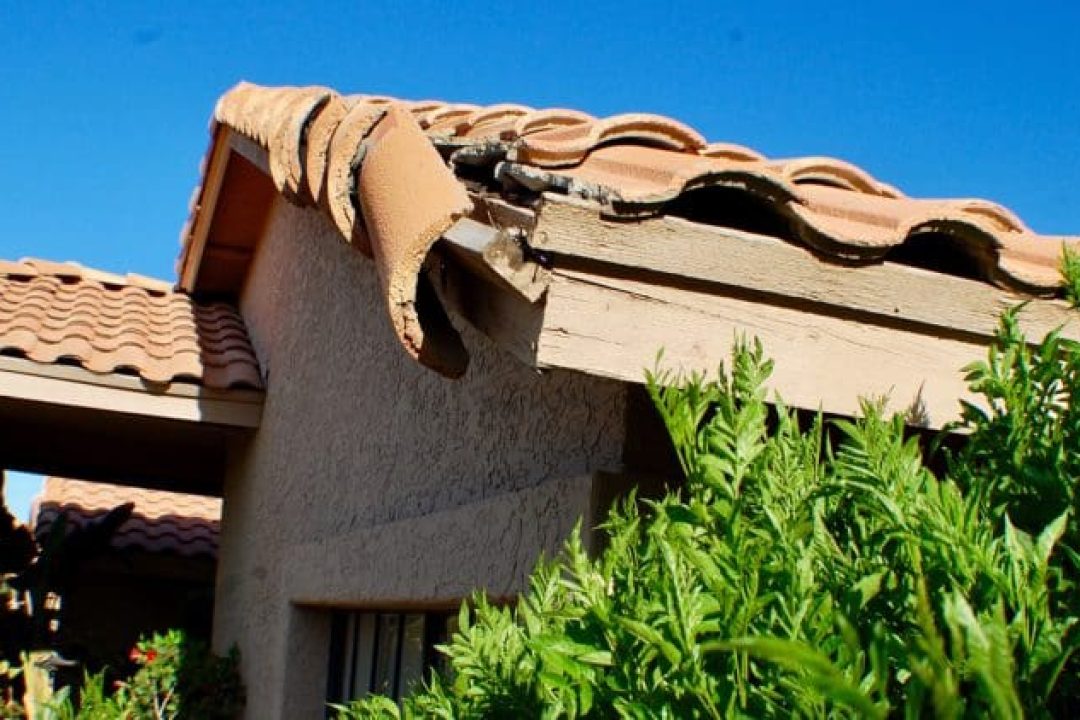
A denial letter after a roof claim usually cites one of a small handful of reasons, and most of them come down to how the damage was documented, not whether it actually happened. Here’s what typically sinks a claim, and what protects you before you ever have to file one.
Wear and Tear (the Most Common Denial Reason)
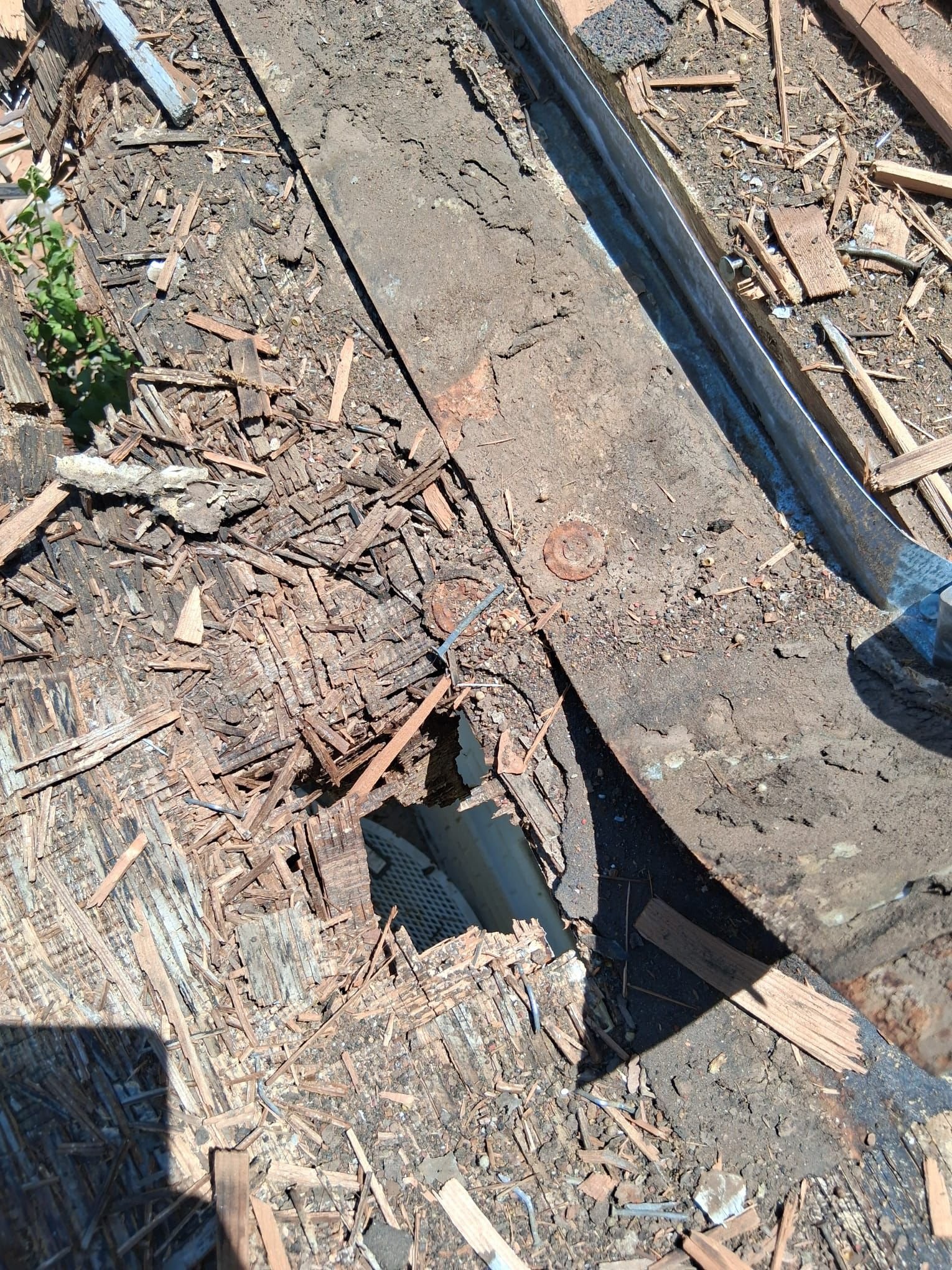
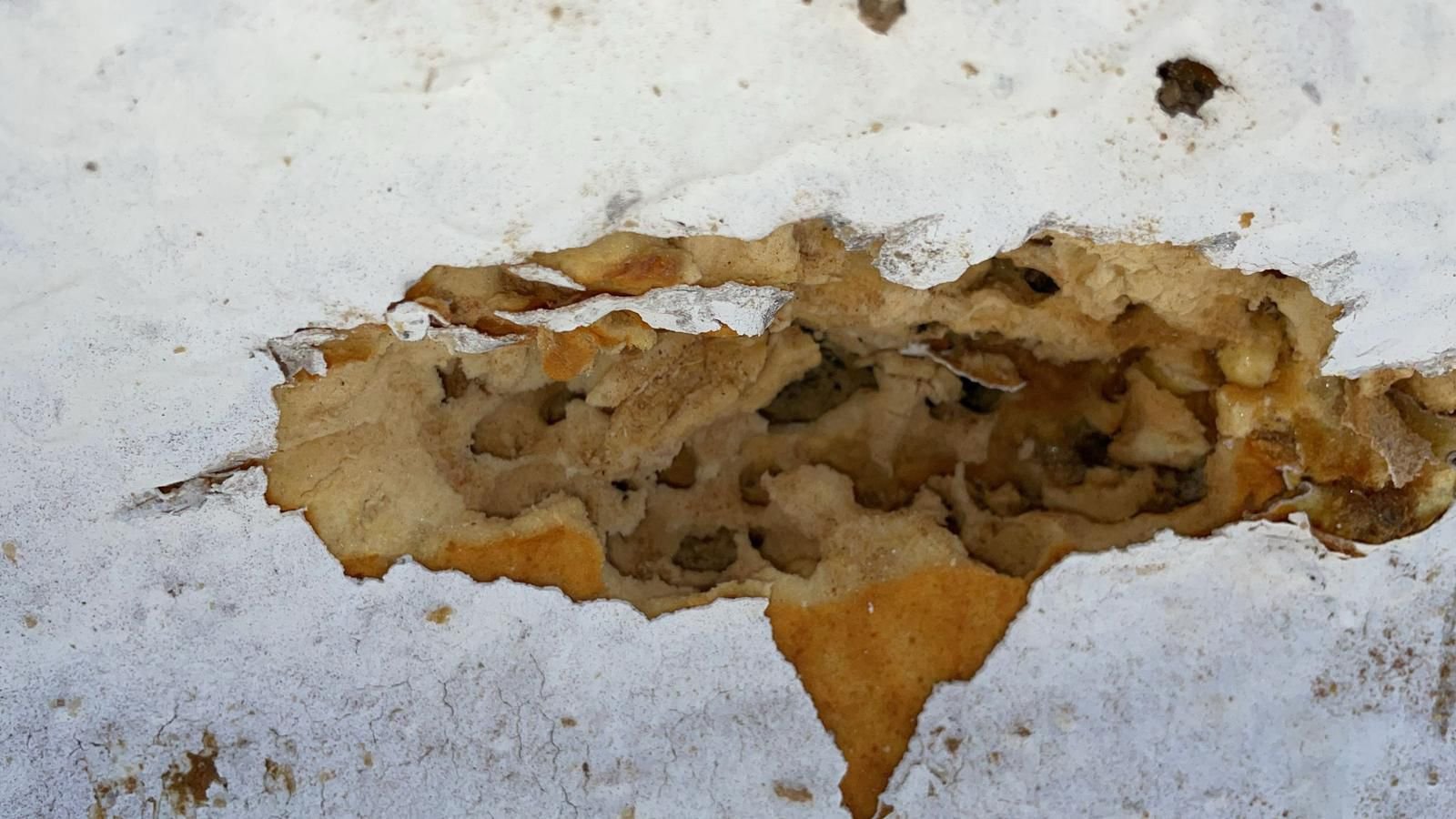
Standard homeowners insurance covers sudden, accidental damage, not the normal aging of roofing materials. If an adjuster attributes cracked shingles, granule loss, or missing mortar to age rather than a specific storm event, the claim gets denied even when the roof genuinely needs work. A 15-year-old roof can still sustain legitimate storm damage, but insurers frequently default to blaming age instead.
Pre-Existing Damage
If the adjuster determines the damage was present before the claimed event, or before the policy was even issued, the claim is denied. This is especially common after multiple storms in the same season, when insurers attribute current damage to an earlier, unclaimed event rather than the one you’re reporting.
Insufficient Documentation
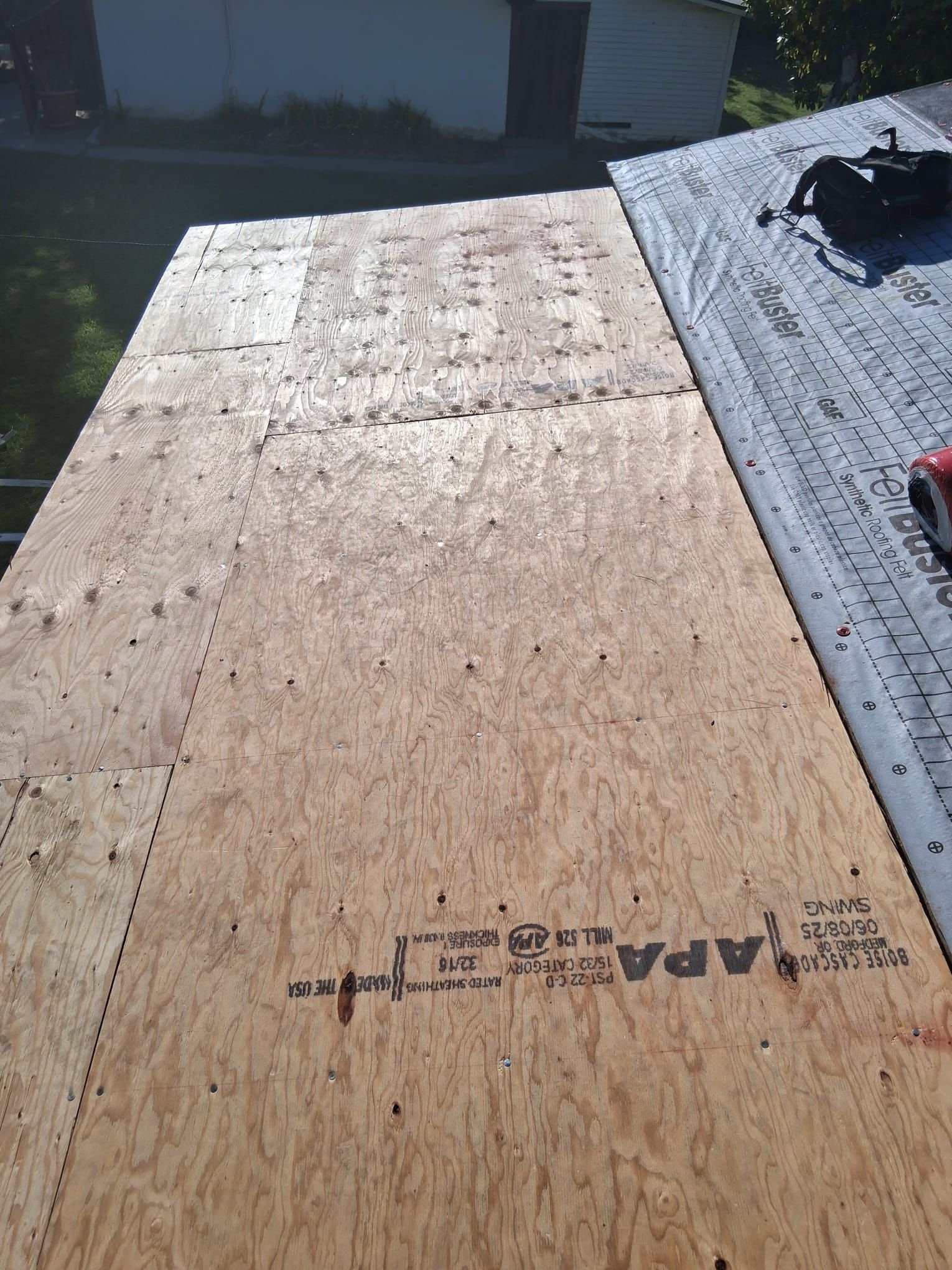
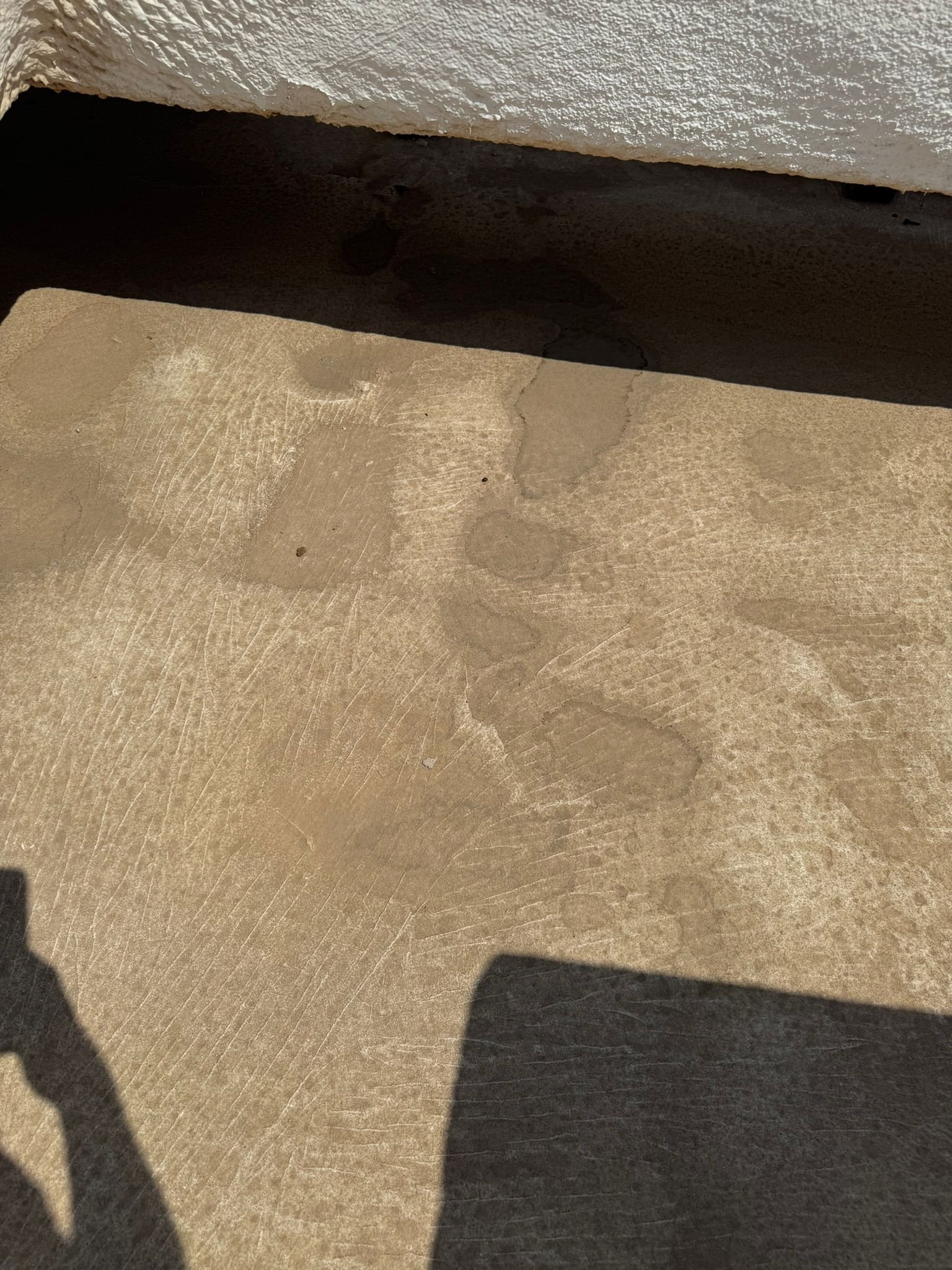
Roof claims rely heavily on documentation. Missing photos, no professional inspection report, or an incomplete paper trail gives an insurer room to question or deny a claim regardless of whether the damage is real. Repairs made before an adjuster inspects the roof can also undercut a claim, since it removes the evidence they need to verify.
Missed Filing Deadlines
Most policies have a strict window for reporting damage. Miss it, and the legitimacy of the damage itself stops mattering, since the claim is procedurally denied.
Policy Exclusions and Coverage Gaps
Not every policy covers every type of roof damage. Cosmetic damage exclusions, wrong or insufficient coverage for a specific roof type, and damage that falls below the policy’s deductible threshold all lead to denials or reduced payouts that have nothing to do with whether the damage occurred.
What Actually Protects a Claim
- Document your roof before storm season. Dated photos and an inspection report from before an event make it far easier to prove new damage versus existing wear.
- Report promptly. File within your policy’s window and avoid repairs before the adjuster’s inspection whenever safely possible.
- Get an independent inspection. A second, professional opinion on cause and scope strengthens your position if the initial adjuster’s findings seem off.
Frequently Asked Questions About Denied Roof Claims
What’s the most common reason roof insurance claims get denied?
Wear and tear. Standard policies cover sudden, accidental damage, not normal aging, and insurers often attribute roof issues to age even when a specific storm event caused or worsened them.
Can a roof claim be denied even if the damage is real?
Yes. Insufficient documentation, missed filing deadlines, and policy exclusions can all lead to a denial regardless of whether the damage genuinely occurred.
How can I protect a future roof claim before filing?
Document your roof’s condition with dated photos and inspections before storm season, report damage promptly within your policy’s window, and avoid repairs before the adjuster inspects, when it’s safe to wait.
Is a denial for pre-existing damage always final?
No, but reversing it requires evidence, typically photos, inspection reports, and documentation that clearly distinguishes new damage from prior wear or an earlier unclaimed event.
Get Documentation on Your Side Before You File
As a local roofing company serving Scottsdale, AZ, Tip Top Roofing Service documents roof condition and storm damage clearly, giving you the kind of evidence that actually holds up during a claim review.
📞 Call Tip Top Roofing Service today at (480) 877-1643
📧 Email: info@tiptoproofingservice.com
🌐 Website: https://tiptoproofingservice.com/