A leak rarely starts where the water shows up. By the time you see a stain on the ceiling, water has usually traveled along framing from somewhere else on the roof. Here are the actual sources, ranked by how often they turn up on Scottsdale tile and shingle roofs.
Failed Underlayment (the #1 Cause on Tile Roofs)
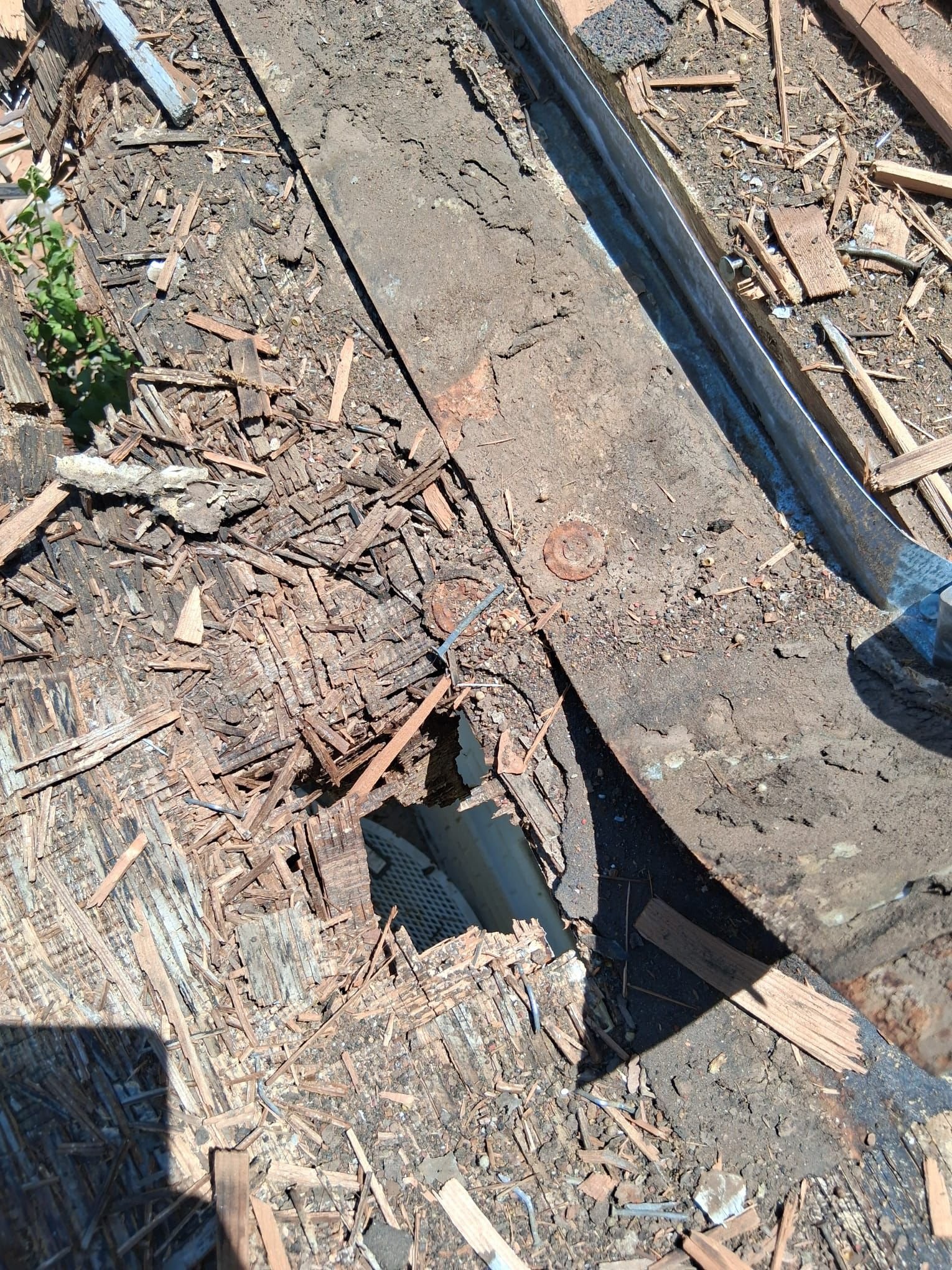
Tile itself rarely wears out. The underlayment beneath it does. Manufacturers rate standard felt underlayment for 25 to 30 years, but constant UV exposure and the heat radiating off the roof deck in Arizona shortens that to roughly 15 to 20 years. Once the underlayment cracks, water enters through any gap and travels along the roof framing, so a roof can leak while every visible tile looks completely intact.
Flashing at Transitions
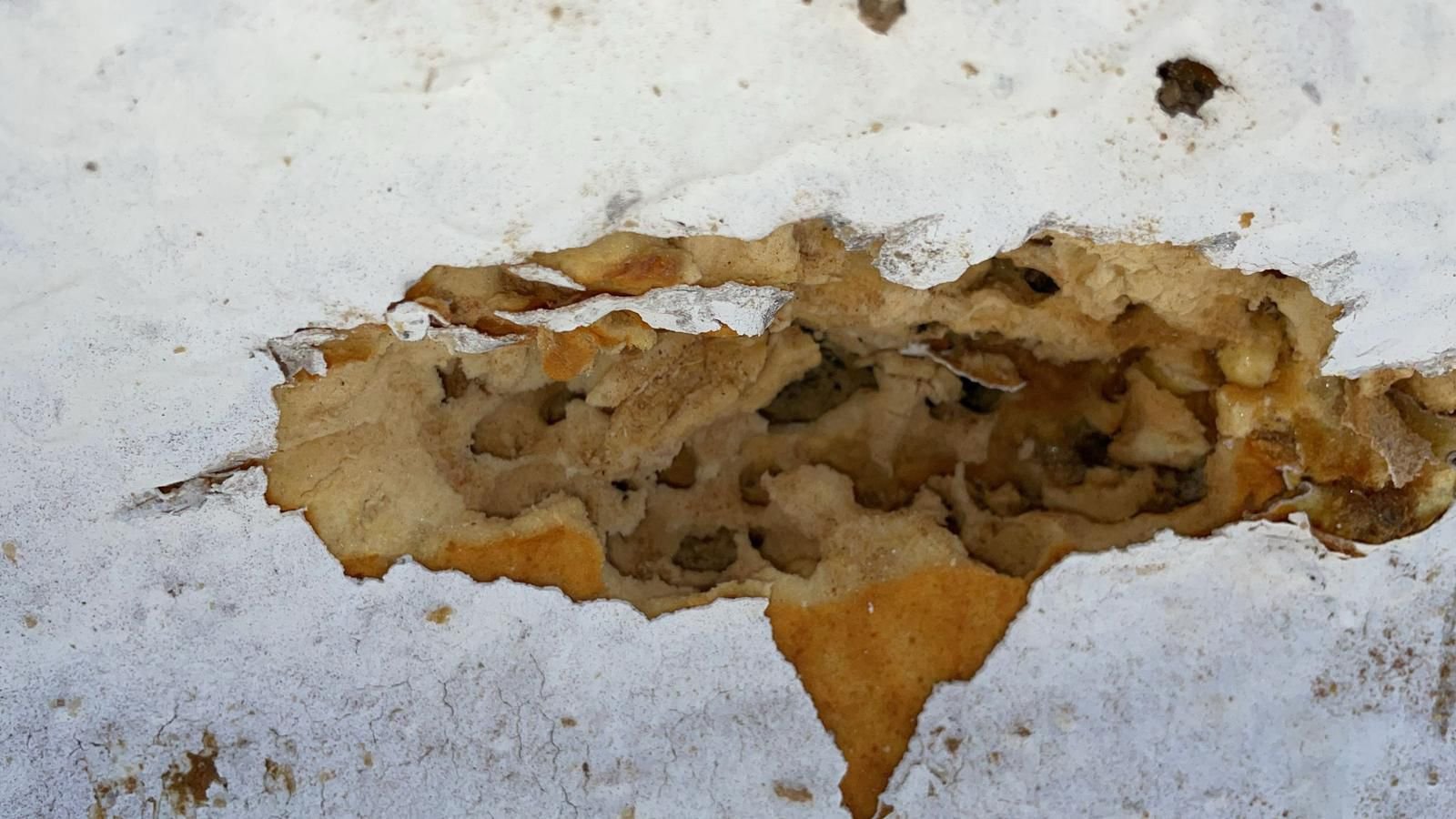
Most leaks don’t happen in the open field of a roof. They happen at transitions, anywhere the roof meets a chimney, a skylight, a wall, or another roof plane. Flashing at these points is custom-fitted metal, and it fails through corrosion, poor installation, or simply age. Chimney aprons pulling away and vent pipe boots rotting are two of the most common transition failures.
Valleys
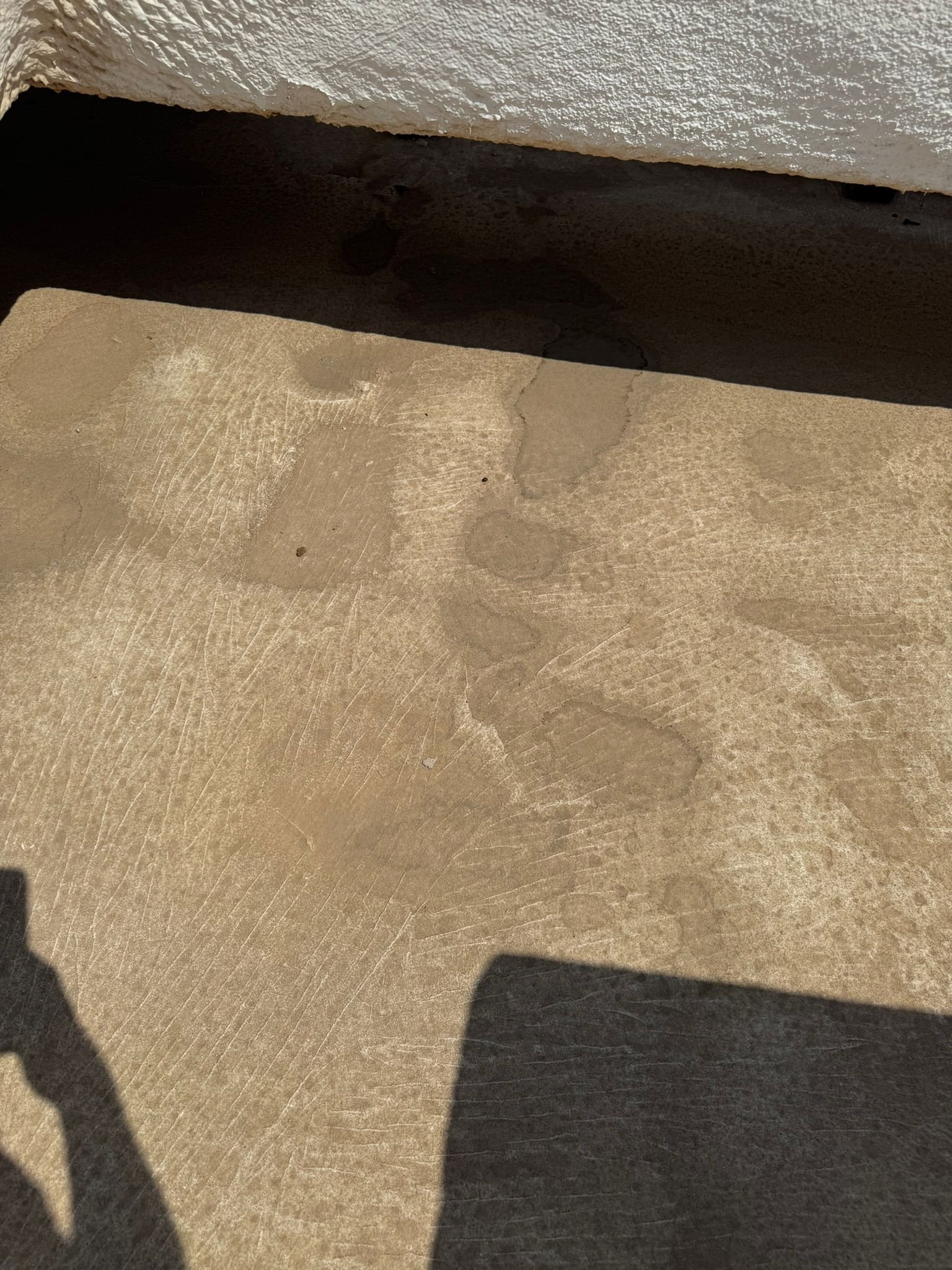
Valleys carry the highest water volume on the roof, since they’re where two roof planes funnel rainwater together. Debris buildup causes water to pool instead of draining, and over time that trapped moisture corrodes valley flashing or works its way under adjacent tiles or shingles.
Slipped or Missing Tiles
A single slipped tile exposes the underlayment beneath it directly to sunlight, and that exposure alone can cause the underlayment to fail within months, not years. This is why a missing tile is worth a same-visit repair rather than something to put off.
Mortar Failure at Ridges and Hips
Ridge and hip cap tiles are bedded in mortar or pointing compound. That mortar breaks down over time, and once it does, the ridge line loses its seal against wind-driven rain.
Poor Original Installation
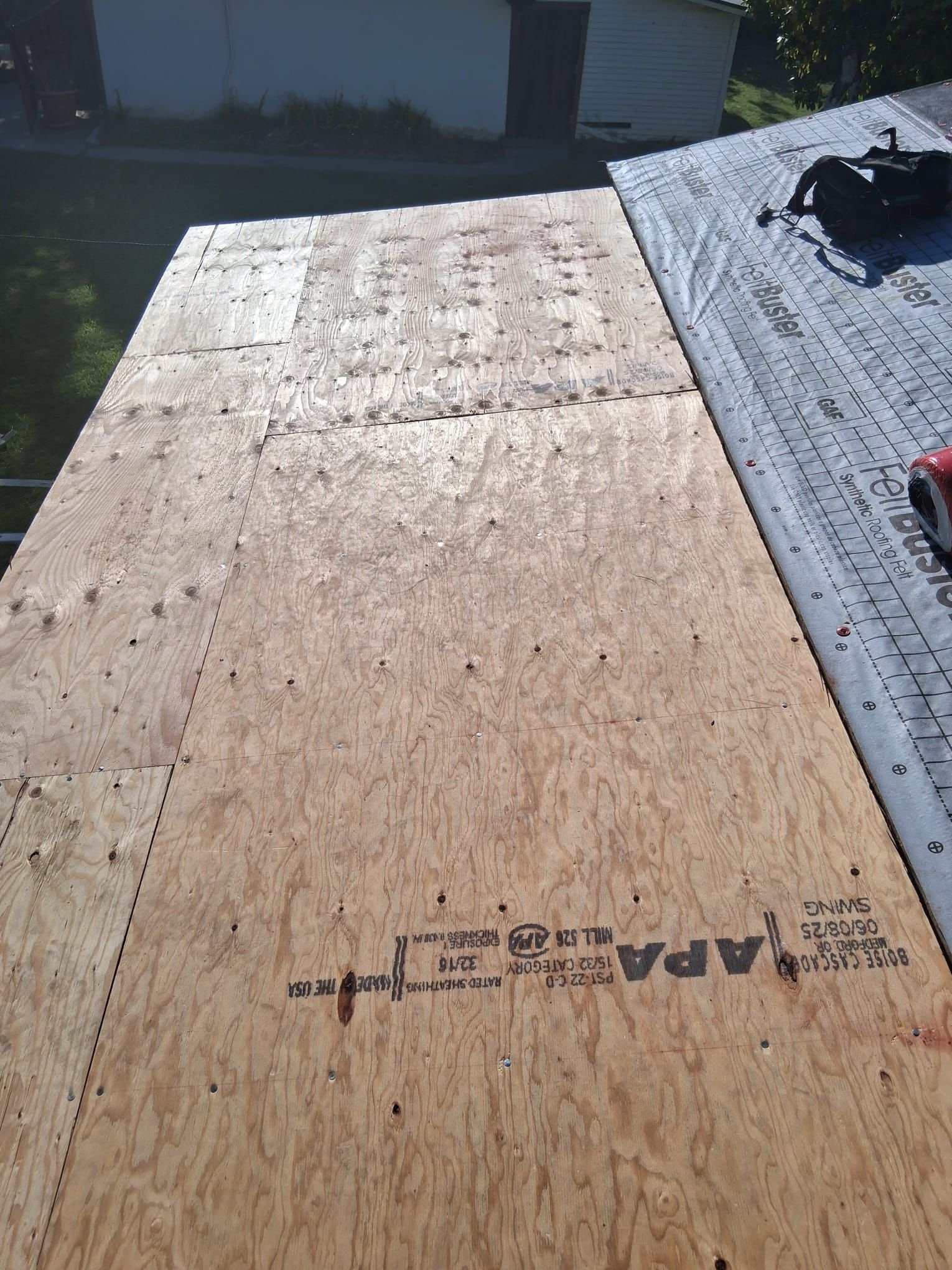
Misaligned tiles or shingles, insufficient underlayment overlap, and improperly placed nails all create hidden gaps that don’t show up until the roof is tested by real rainfall. These issues are especially frustrating because they’re invisible from the ground and often surface within the first few years of a poorly executed install.
Frequently Asked Questions About Roof Leaks
Why is my tile roof leaking if none of the tiles look broken?
The tile itself is rarely the waterproof layer. The underlayment beneath it is, and Arizona heat and UV exposure typically wear it out in 15 to 20 years, well before the tiles show any visible damage.
What’s the most common place a roof actually leaks?
Transition points, chimneys, skylights, vent pipes, and valleys, leak far more often than the open field of a roof, since those are the spots where flashing and seams have to do the work of keeping water out.
Is a single slipped tile urgent?
Yes. It exposes the underlayment beneath it to direct sunlight, and that exposure alone can cause the underlayment to fail within months.
Can poor installation cause a roof to leak even when it’s new?
Yes. Misaligned materials, insufficient underlayment overlap, and improperly placed fasteners can create leak points that show up the first time the roof gets real rainfall, regardless of how new the roof is.
Get the Actual Source Found and Fixed
As a local roofing company serving Scottsdale, AZ, Tip Top Roofing Service traces a leak to its real source, whether that’s underlayment, flashing, or a valley, rather than patching the spot closest to the ceiling stain.
📞 Call Tip Top Roofing Service today at (480) 877-1643
📧 Email: info@tiptoproofingservice.com
🌐 Website: https://tiptoproofingservice.com/