Switching to metal doesn’t always mean tearing off the existing shingle roof first. In many cases, metal panels can be installed directly over one layer of shingles, saving cost and time, but the details matter more here than on a typical reroof. Here’s what actually makes this work, and when it doesn’t.
When It’s a Reasonable Option
- One existing layer only. Most building codes allow a maximum of two total roofing layers, so this only works if the shingle roof hasn’t already been overlaid once before.
- Shingles are relatively flat. Significant curling or cupping telegraphs through the metal panels and causes distortion.
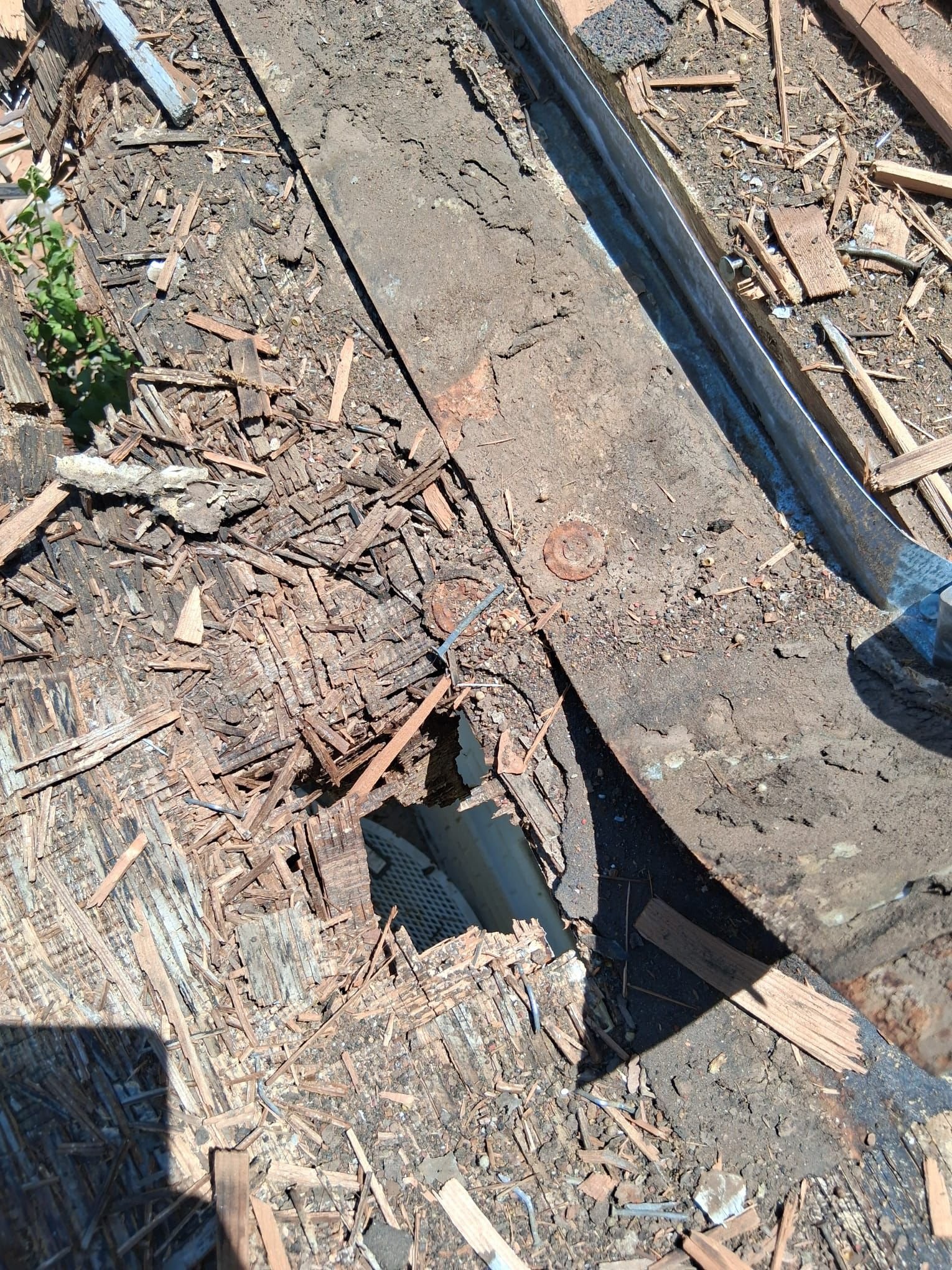
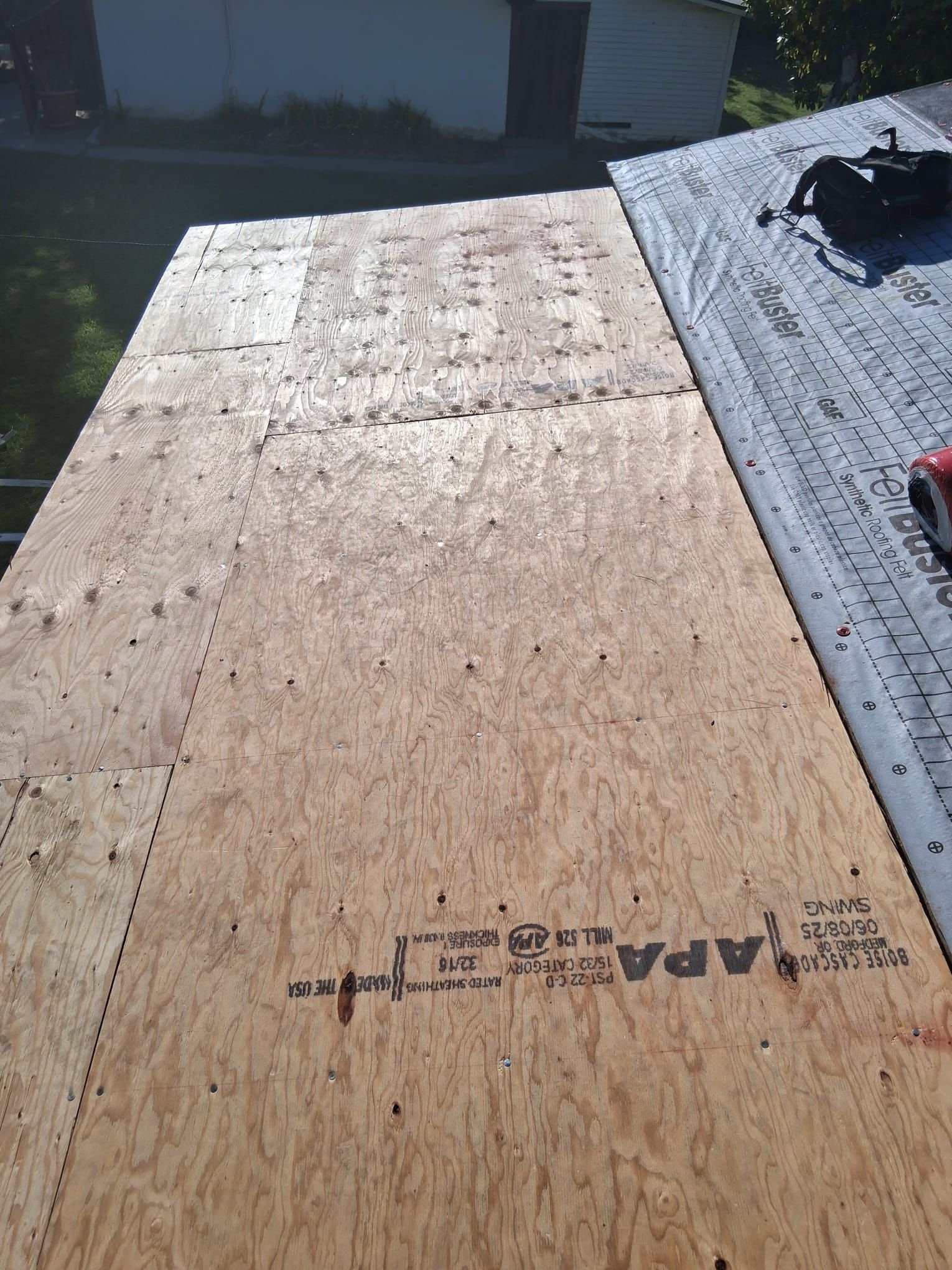
- The deck underneath is sound. No soft spots, rot, or water damage. An inspection before committing to this approach isn’t optional.
What Makes the Installation Different From a Standard Reroof
Furring strips, thin battens typically 1×3 or 1×4 inch, get installed horizontally across the existing shingles before the metal panels go down. They create a flat, even attachment surface that eliminates the irregular bumps of shingle tabs and granules, and they build in a ventilated air gap between the old shingles and the new metal. Underlayment matters here too: self-adhering peel-and-stick underlayment is commonly used since it molds to the uneven shingle surface and provides reliable adhesion without extra fasteners penetrating to the deck.
The Real Cost Savings
Skipping tear-off can save roughly $1,000 to $3,000 by eliminating removal labor and disposal cost, and it shortens the project timeline by cutting out an entire phase of work. A metal roof installed this way, done correctly, can still reach a 40 to 70 year lifespan.
Why This Isn’t Always the Right Call
- Hidden problems stay hidden. Overlay installation covers up whatever’s underneath rather than exposing it, so any existing deck damage goes unaddressed and unnoticed.
- Ventilation is non-negotiable. Metal installed over shingles without proper ventilation traps heat and moisture, which shortens the roof’s life rather than extending it.
- Some metal systems require direct deck attachment. Not every metal roofing product is engineered for overlay installation; this needs to be confirmed with the specific system before deciding.
- Any sign of active leaks or attic moisture rules it out. Installing metal panels over compromised decking sets up premature failure regardless of how well the metal itself is installed.
Frequently Asked Questions About Metal Over Shingles
Can you put a metal roof directly over existing shingles?
Often, yes, as long as it’s a single existing layer, the deck underneath is sound, and the shingles are relatively flat without significant curling.
How much can you save by not tearing off the old shingles first?
Typically $1,000 to $3,000 in labor and disposal costs, along with a shorter overall project timeline.
Do you still need underlayment when installing metal over shingles?
Yes. Self-adhering peel-and-stick underlayment is commonly used since it molds to the uneven shingle surface, and it must meet or exceed the metal manufacturer’s minimum specifications.
When should you tear off instead of installing metal over shingles?
If there’s already more than one shingle layer, active leaks, attic moisture, or any sign of deck rot, tear-off is the right call. Installing metal over a compromised deck sets up premature failure.
Find Out If Overlay Works for Your Roof
As a local roofing company serving Scottsdale, AZ, Tip Top Roofing Service inspects your deck and existing shingles before recommending overlay or tear-off, so the decision is based on your roof’s actual condition.
📞 Call Tip Top Roofing Service today at (480) 877-1643
📧 Email: info@tiptoproofingservice.com
🌐 Website: https://tiptoproofingservice.com/