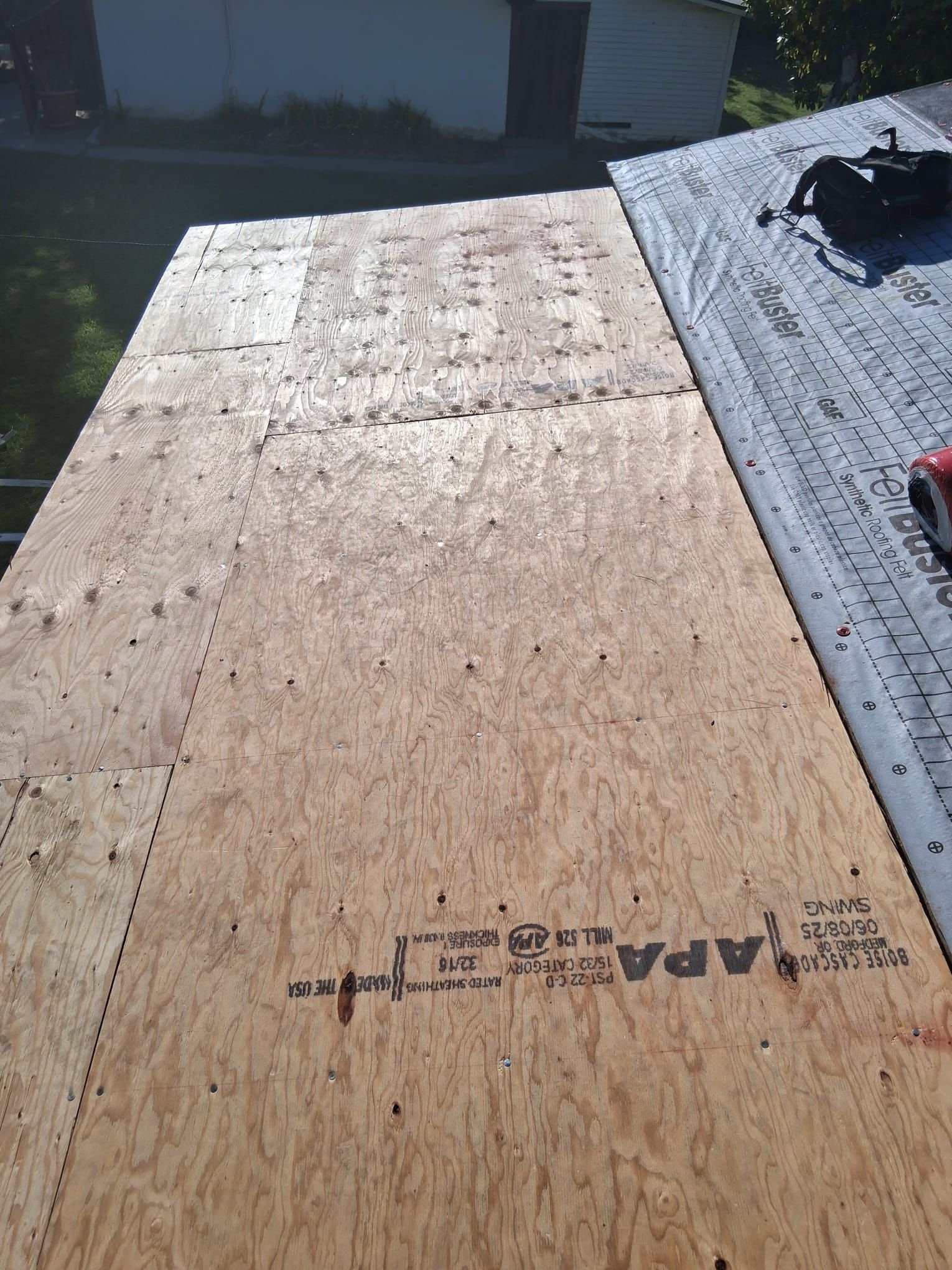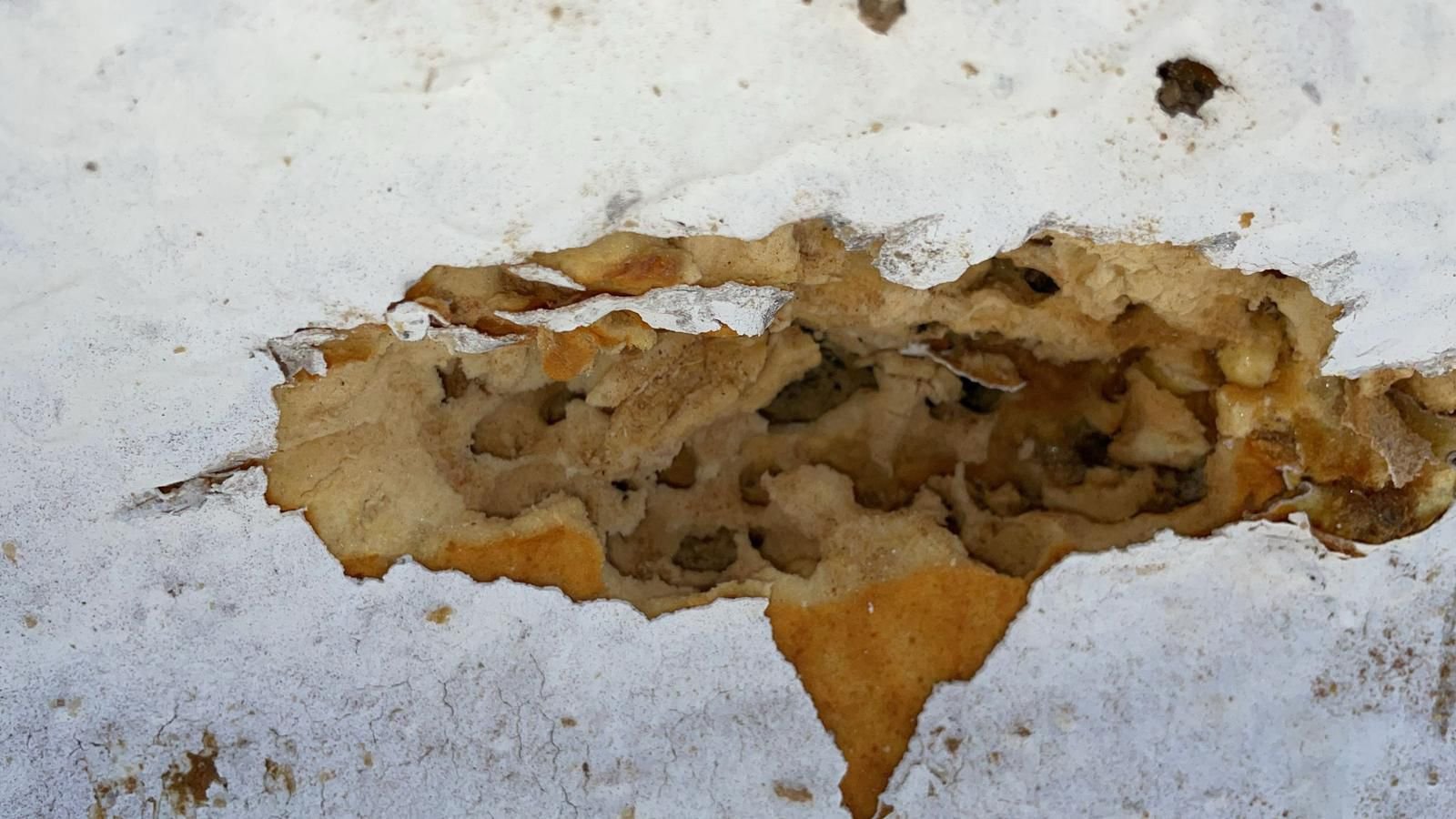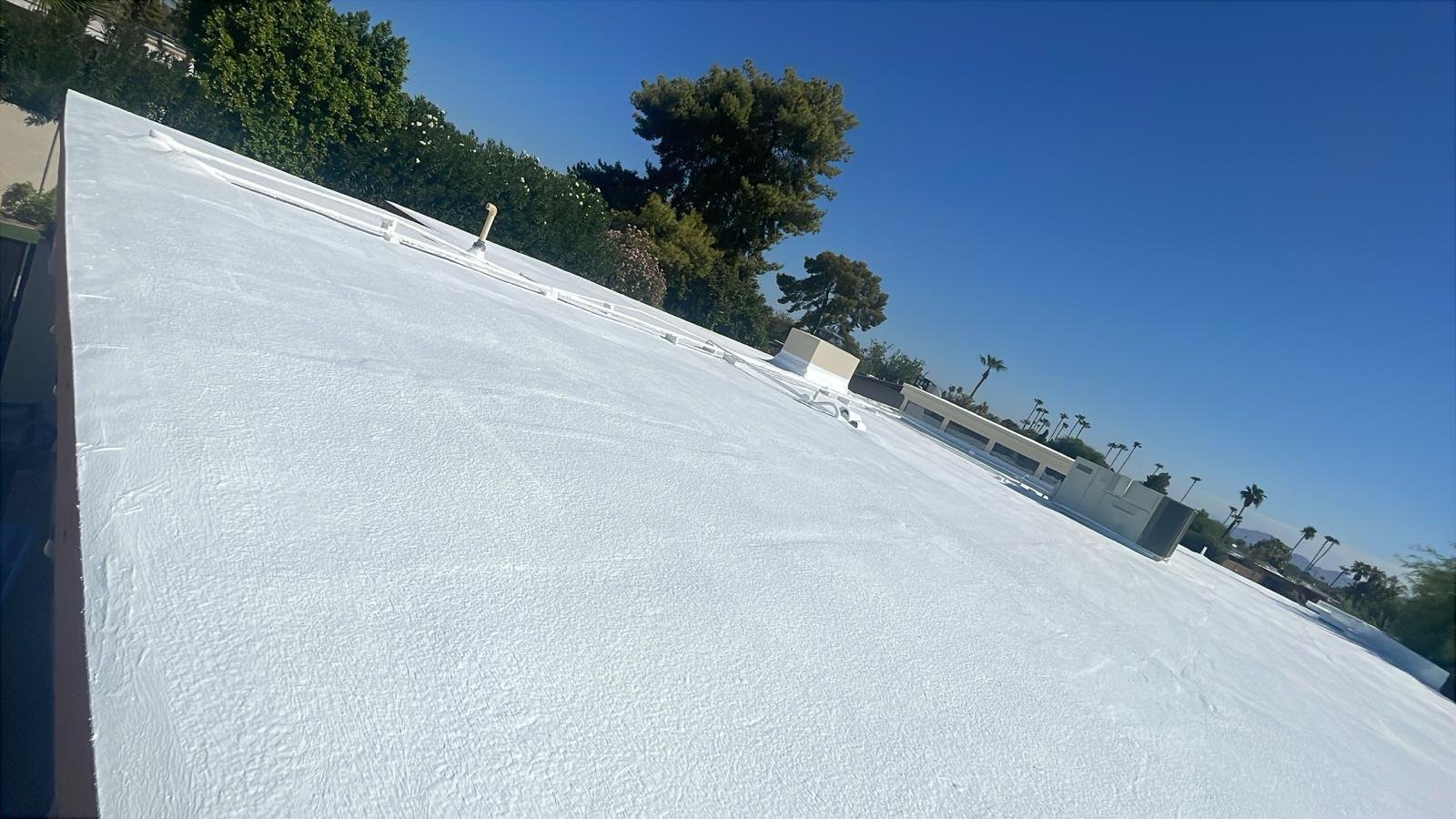
A roof warranty document is rarely one single promise. It’s usually two or three separate warranties, from different parties, covering different things, with different exclusions. Here’s how to actually read one and know what it protects.
The Two Core Warranty Types
Nearly every roof warranty situation breaks down into two separate documents: a manufacturer warranty covering the material itself, and a contractor workmanship warranty covering the installation. A defective shingle is a manufacturer issue. A leak caused by poor nailing or flashing work is a contractor issue. The same roof can fail for either reason, and only one warranty applies to each.
Manufacturer Warranty: What It Actually Covers
Standard manufacturer warranties cover material defects only, not labor. If a shingle fails due to a manufacturing flaw, the manufacturer typically replaces the defective material, but you’re responsible for the labor to remove the failed product and install the replacement. Since labor commonly makes up 40 to 60% of total roof cost, a materials-only warranty covers a smaller share of a real failure than the term “lifetime warranty” might suggest. Standard material warranties commonly run 20 to 30 years (sometimes marketed as “lifetime”), but that number describes material coverage, not labor.
Workmanship Warranty: What It Actually Covers
A workmanship warranty, issued by the contractor rather than the manufacturer, covers problems caused by installation errors, improper nailing, misaligned flashing, inadequate underlayment overlap. It typically includes labor and materials needed for the fix. Coverage length varies enormously by contractor, commonly 1 to 10 years, though some offer longer terms. This warranty excludes material defects and storm damage; it only covers mistakes made during the installation itself.
Enhanced and System Warranties: Where the Gap Closes
Enhanced or system warranties, available only through manufacturer-certified contractors, combine material and labor coverage into one document, often extending to 25 to 50 years with a non-prorated window. These are the warranties worth asking about directly, since a standard manufacturer warranty alone leaves the labor-cost gap exposed, and a standard contractor warranty alone leaves material defects exposed. An enhanced warranty is how that gap actually closes.
What “No Dollar Limit” (NDL) Means
An NDL warranty is the strongest tier available: a full-system agreement where the manufacturer takes responsibility for both materials and labor, with no capped dollar amount on the repair or replacement cost. These typically require installation by a manufacturer-certified contractor and following specific system requirements exactly.
What to Actually Check Before Signing Anything
- Is it prorated or non-prorated? A prorated warranty pays a declining percentage of the cost as the roof ages; a non-prorated warranty pays the full amount for its full term.
- Does it cover labor, or materials only? This is the single biggest gap most homeowners miss.
- Is it transferable to a future buyer? Some warranties transfer with a time limit or a transfer fee; others don’t transfer at all.
- What specifically voids it? Improper maintenance, unapproved repairs by another contractor, or skipped required inspections commonly void coverage.
- Which components are actually included? Many warranties limit coverage to the roofing surface and flashing, excluding things like wood decking or fasteners.
Frequently Asked Questions About Reading a Roof Warranty
What’s the difference between a manufacturer warranty and a workmanship warranty?
The manufacturer warranty covers defects in the roofing material itself. The workmanship warranty, from the contractor, covers problems caused by installation errors. They’re separate documents covering separate failure types.
Does a lifetime manufacturer warranty cover labor costs?
Usually not, unless it’s specifically an enhanced or system-level warranty. A standard manufacturer warranty typically covers only the replacement materials, leaving tear-off and reinstallation labor as the homeowner’s cost.
What is a No Dollar Limit (NDL) warranty?
The strongest available tier: the manufacturer covers both materials and labor with no capped dollar amount, usually requiring installation by a manufacturer-certified contractor following specific system requirements.
Can I get an enhanced warranty from any contractor?
No. Enhanced and system-level manufacturer warranties are only available through contractors with the specific certification level that manufacturer requires, which is worth confirming before assuming a given contractor can offer one.
Know Exactly What Your Warranty Covers
As a GAF-certified, local roofing company serving Scottsdale, AZ, Tip Top Roofing Service will walk you through exactly which warranty tier your project qualifies for, in plain terms, before any work starts.
📞 Call Tip Top Roofing Service today at (480) 877-1643
📧 Email: info@tiptoproofingservice.com
🌐 Website: https://tiptoproofingservice.com/