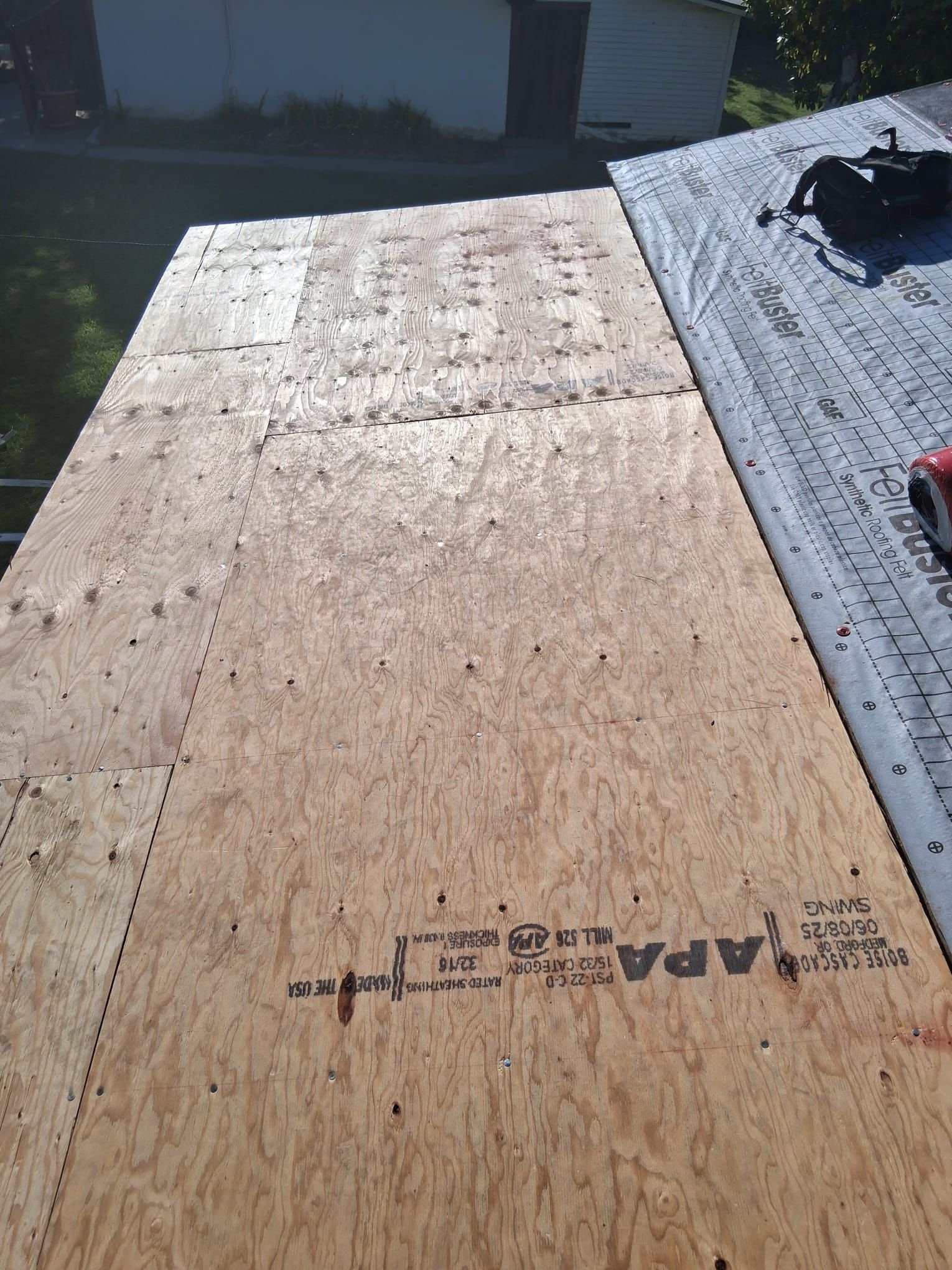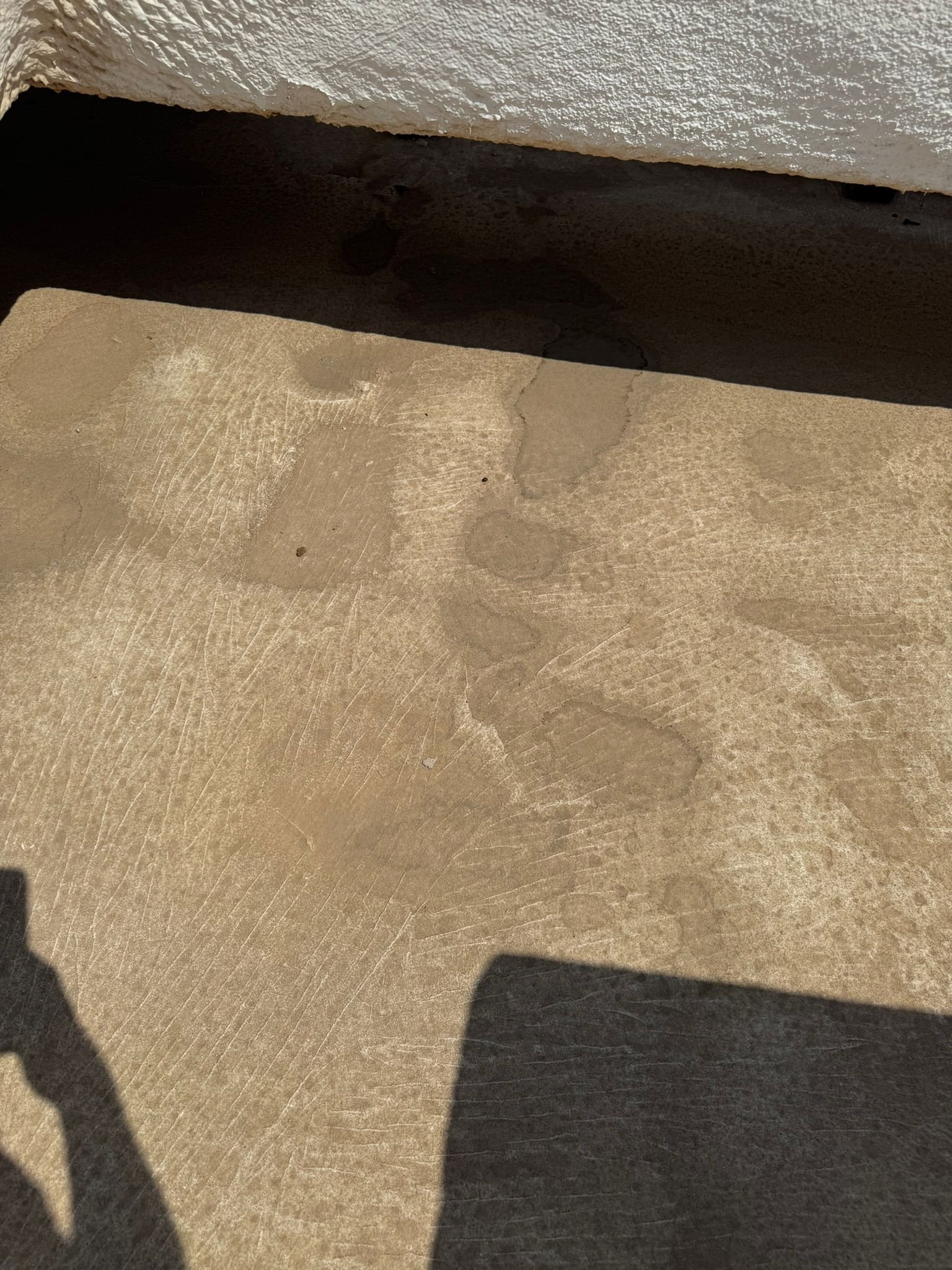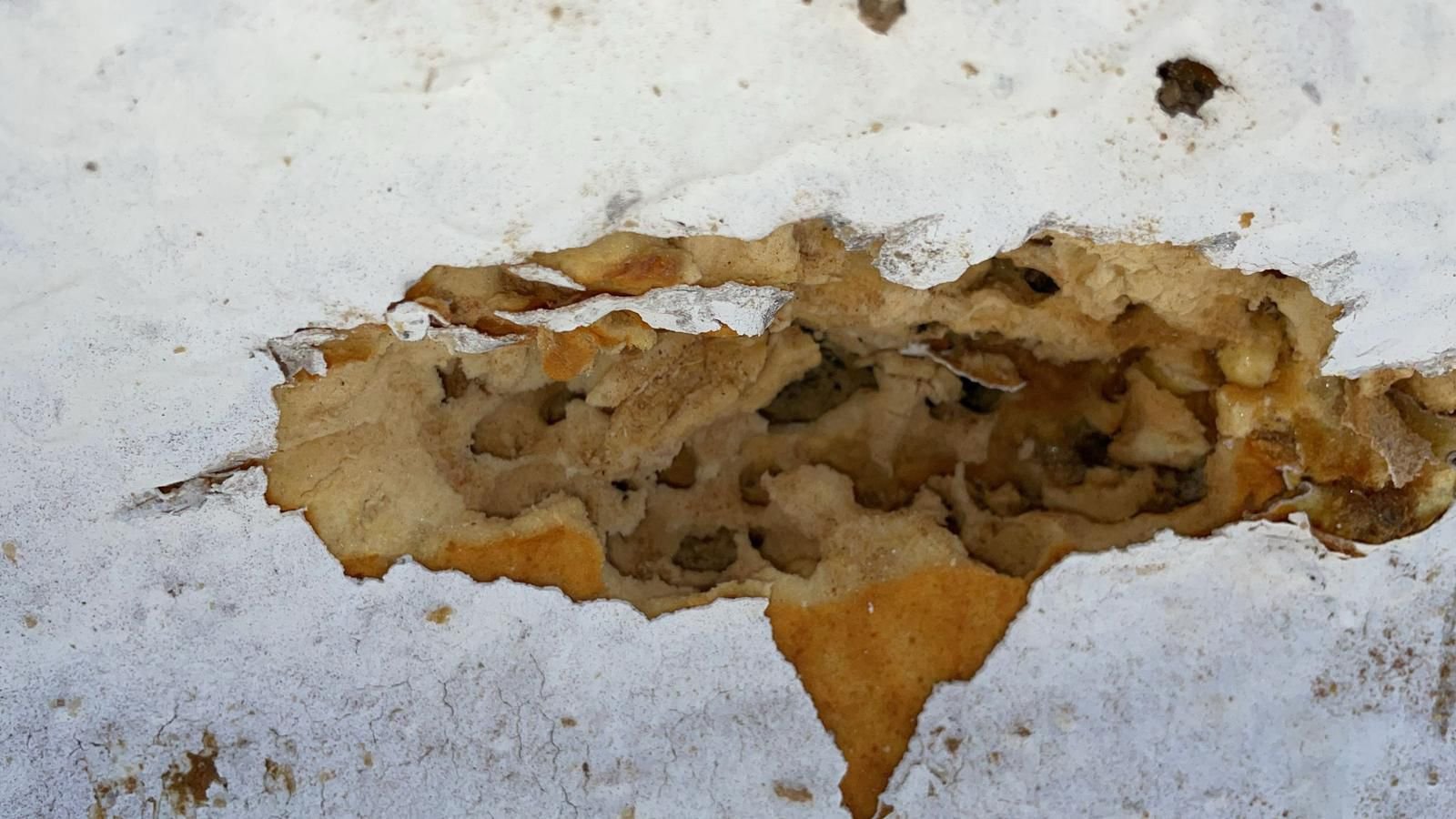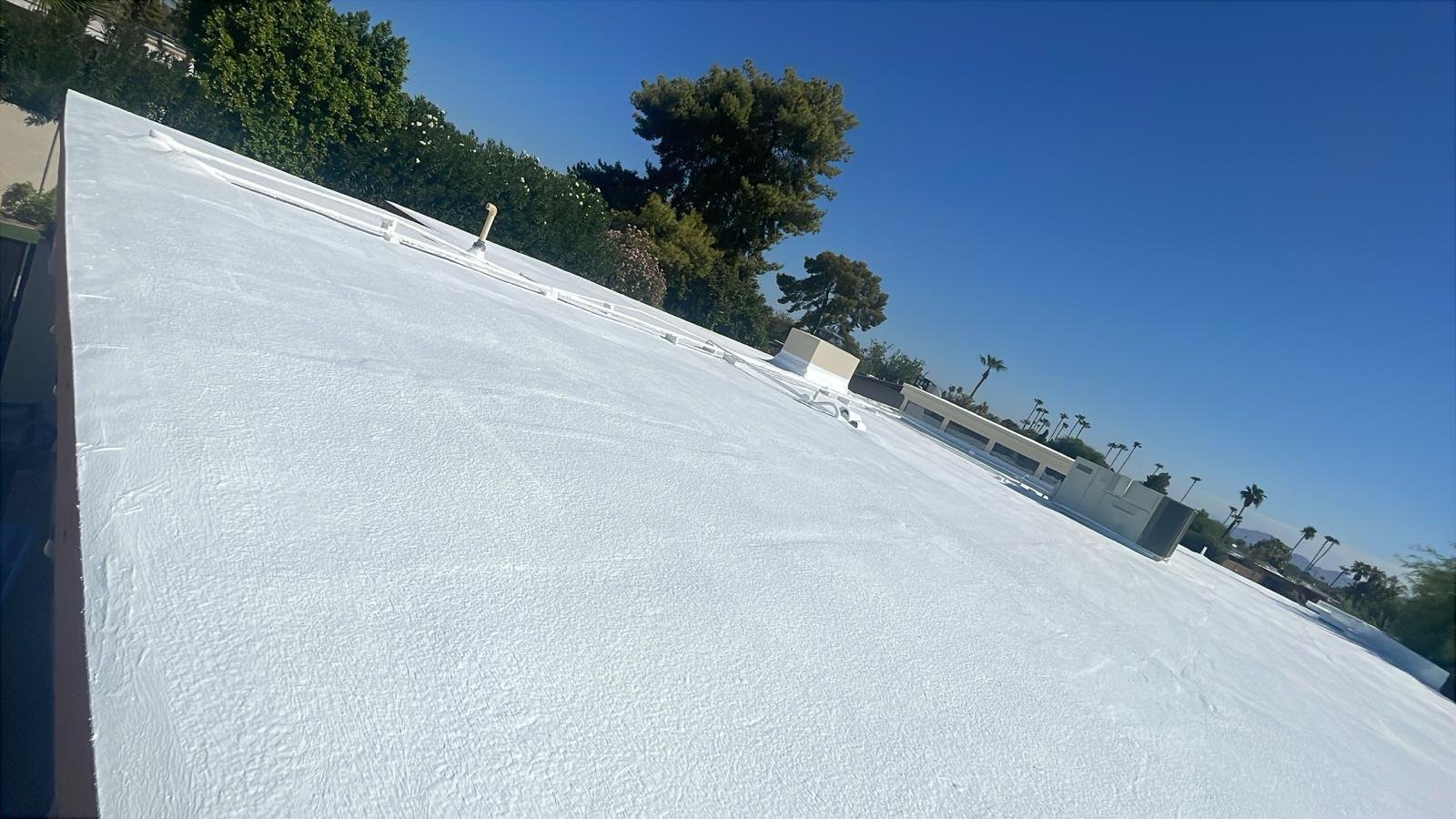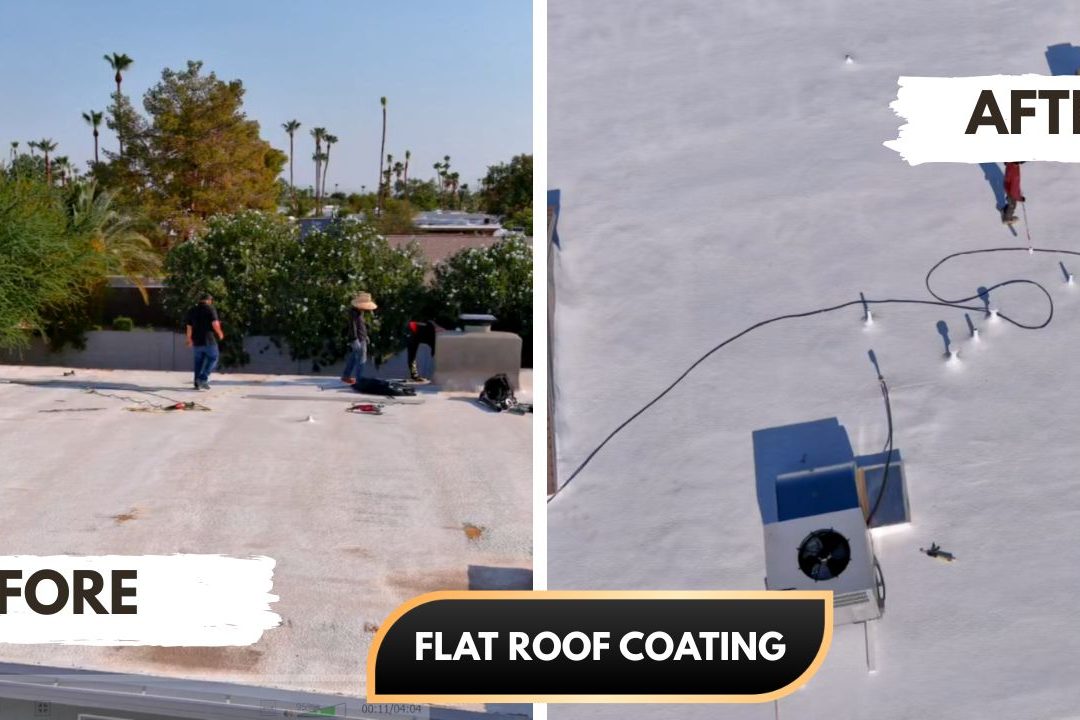
A foam roof doesn’t need replacing when it ages, it needs recoating. The foam itself can last decades; it’s the protective topcoat that wears down and needs periodic renewal. Here’s exactly how that process works and how often it’s actually needed in Phoenix heat.
Why Foam Roofs Need Recoating at All
Spray polyurethane foam (SPF) itself doesn’t degrade when properly protected, but it’s vulnerable to UV exposure. The elastomeric topcoat, silicone, acrylic, or urethane, is what blocks that UV light. As the coating thins over years of sun exposure, it eventually stops protecting the foam underneath, and unprotected foam can begin degrading within as little as 72 hours of direct exposure. Recoating resets that protective layer without removing the foam substrate at all.
How Often: National Guidance vs. Phoenix Reality
General industry guidance puts foam roof recoating at every 10 to 15 years, sometimes stretching to 20 depending on coating type and mil thickness. Phoenix is a different story. The Valley’s UV index sits at 11 or higher for roughly six months of the year, aging an elastomeric coating dramatically faster than a coastal or northern climate ever sees. Local contractors commonly recommend planning for recoating every 5 to 10 years here, toward the shorter end of the national range rather than the longer one, regardless of what the coating manufacturer’s label suggests for milder regions.
The Recoat Process, Step by Step
- Inspection and mil thickness measurement. A contractor checks the existing coating’s remaining thickness and inspects for foam damage, blisters, cracks, or bird-peck punctures before recommending a scope of work.
- Surface cleaning. The entire roof gets pressure-washed or thoroughly cleaned to remove chalking, dust, and contaminants, since coating adhesion depends entirely on a clean substrate.
- Repairs and priming. Any damaged foam, voids, or punctures are repaired and primed before new coating goes on.
- Coating application. The new topcoat is applied in two crosshatched passes using airless spray equipment, rollers, or a combination, reaching a total dry film thickness typically between 20 and 40 mils depending on the warranty term being specified.
Most Phoenix-area recoats complete in 1 to 3 days, depending on roof size, prep needs, and weather.
Mil Thickness and Warranty Length Are Directly Linked
A shorter warranty system generally uses around 20 to 25 dry mils of coating, while a 15-year system typically specifies 25 to 35 mils. More thickness means more UV protection reserve before the coating thins enough to expose the foam again, which is why a recoat spec should always state the target mil thickness explicitly, not just the coating brand.
What Recoating Resets
A completed recoat typically comes with a fresh warranty term on the coating system, often matching the original warranty length (commonly 5 to 15 years depending on the system), along with restored reflectivity and the energy performance that comes with a fresh, undegraded reflective surface. This process can be repeated indefinitely as long as the underlying foam remains in good condition.
When Recoating Isn’t an Option Anymore
If the coating has worn away completely and the foam has been exposed to UV for an extended period, the foam itself may have degraded past the point recoating can fix. At that stage, section replacement or a full new foam application becomes necessary rather than a simple recoat.
Frequently Asked Questions About Foam Roof Recoating
How often does a foam roof need recoating in Phoenix?
Local contractors generally recommend every 5 to 10 years, shorter than the 10 to 15 year national guidance, because Phoenix’s sustained high UV index ages elastomeric coatings faster than milder climates.
Does recoating mean the whole foam roof gets replaced?
No. Recoating applies a new protective topcoat over the existing foam, which remains in place. The foam itself can last decades; it’s the coating that periodically needs renewal.
How long does a foam roof recoat take?
Typically 1 to 3 days for most Phoenix-area homes, depending on roof size, how much repair prep is needed, and weather conditions during application.
What happens if a foam roof’s coating is never renewed?
Unprotected foam can begin degrading within as little as 72 hours of direct UV exposure once the coating has fully worn away, and extended neglect can degrade the foam past the point where a simple recoat can fix it.
Get a Mil-Thickness-Documented Recoat
As a local roofing company serving Scottsdale, AZ, Tip Top Roofing Service measures existing coating thickness, documents repairs with photos, and applies new coating to the exact mil thickness your warranty term requires.
📞 Call Tip Top Roofing Service today at (480) 877-1643
📧 Email: info@tiptoproofingservice.com
🌐 Website: https://tiptoproofingservice.com/