A one-line total doesn’t tell you what you’re actually paying for. A proper roofing estimate is an itemized document, and knowing what each line should say, and what vague language actually hides, is what lets you compare bids fairly instead of guessing.
Materials: Named, Not Described
This is typically the largest line item, commonly 40 to 55% of the total on a standard shingle job. A legitimate estimate names the manufacturer, product line, color, and relevant rating, something like “GAF Timberline HDZ, Charcoal, Class 3 impact-rated,” not a vague “architectural shingles.” If you can’t identify the exact product from the estimate alone, that’s worth asking about directly.
Tear-Off and Disposal
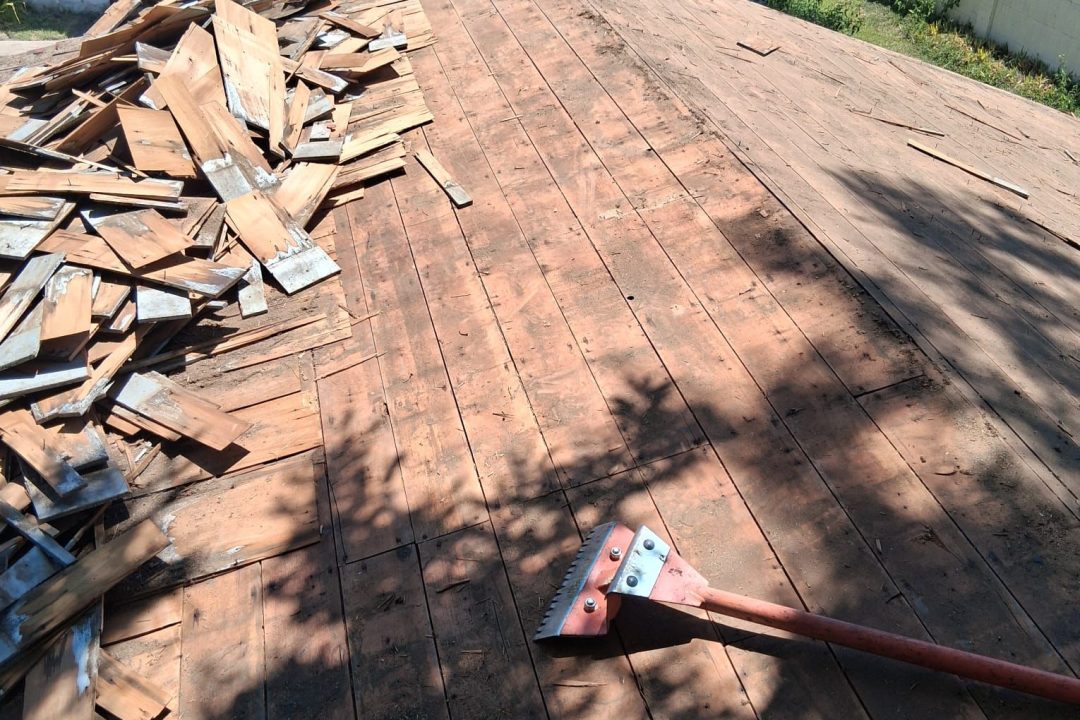
This line should reflect both labor and disposal as real, separately accounted costs, including the number of existing layers being removed. “Tear-off included” with no layer count, or disposal folded silently into another line, makes it hard to confirm the cost is actually priced in rather than assumed away.
Decking Repair
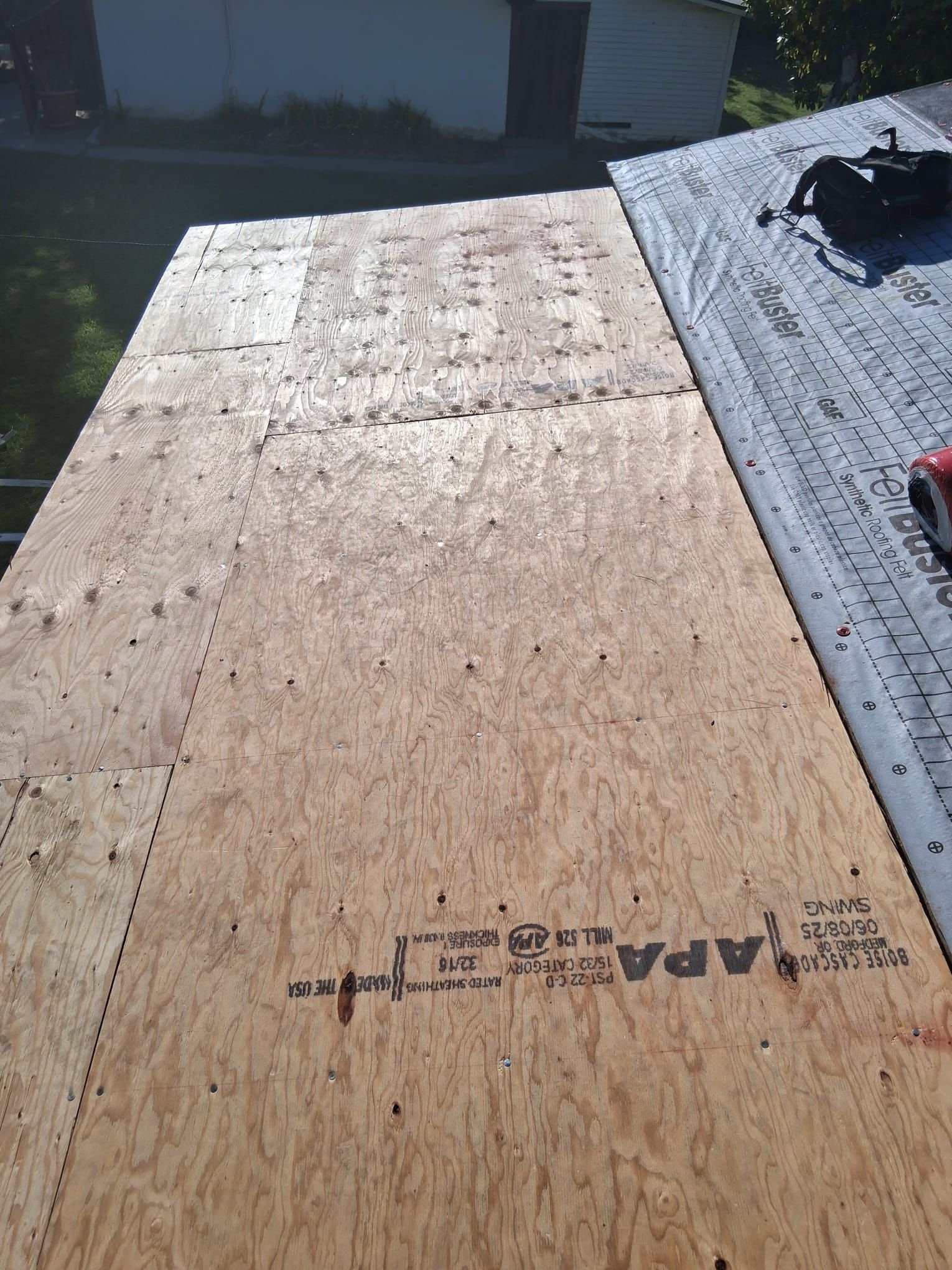
This should never read “decking TBD” or a vague catch-all like “$500 for any necessary repairs.” A transparent estimate states a defined per-sheet rate for replacement decking, agreed upon before work starts, so there’s a known cost if rotten decking turns up during tear-off rather than an open-ended number decided later.
Underlayment and Flashing
The underlayment type should be named specifically, not just “felt paper,” since most modern installs specify synthetic or self-adhered membrane in at least the high-risk areas. Flashing (drip edge, step flashing, pipe boots, valleys) should be explicitly addressed. “We’ll reuse the existing flashing” on a full replacement is a real warning sign, since old flashing frequently fails again within a few years of a new roof going on top of it.
Ventilation
A complete estimate includes a ridge vent line item and accounts for soffit intake ventilation as a system, not just the exhaust side alone. “Reusing existing ridge vent” with no inspection noted is worth questioning.
Permits
A legitimate contractor includes a permit line. “Permit by owner,” or any offer to skip the permit entirely, should be treated as a serious warning sign, not a cost-saving convenience.
Warranties
Every estimate should state both the material warranty and the workmanship warranty specifically, in writing, including duration and what each actually covers. An estimate with no warranty information listed at all is one of the clearer gaps to flag before signing.
Red Flags Worth Resolving Before Signing
- A single total with no line items. This tells you nothing about scope and leaves every decision open to be made later, often at your expense.
- Vague material language like “premium shingles” with no brand or product line attached.
- A deposit over roughly 10 to 15% of the total before any work begins.
- High-pressure tactics to sign the same day, or a price that “expires tonight.”
- Any verbal promise not written into the estimate itself. A commitment made in conversation but left off the document isn’t enforceable later.
How to Actually Compare Multiple Estimates
Line up bids side by side against the same scope categories, materials, tear-off, decking rate, flashing, ventilation, permits, warranty, rather than comparing bottom-line totals alone. A lower total with vaguer line items isn’t necessarily the better deal once the gaps are accounted for.
Frequently Asked Questions About Reading a Roofing Estimate
What’s the single biggest red flag on a roofing estimate?
A one-line total price with no itemized scope. It tells you nothing about what materials or labor are included and leaves room for surprise charges once work begins.
Should decking repair have a fixed price on the estimate?
It should have a defined per-sheet rate agreed upon in advance, since the actual condition isn’t known until tear-off. A vague lump-sum catch-all for “any necessary repairs” is a warning sign, not a complete price.
Is it normal for a contractor to reuse existing flashing?
Not on a full replacement. Flashing often fails within a few years of going back under new roofing material, so “we’ll reuse the existing flashing” is worth questioning rather than accepting on a complete reroof.
How much of a deposit is reasonable before work starts?
Commonly 10 to 15% of the total. A demand for significantly more upfront, before any work has been performed, is a red flag worth taking seriously.
Get an Estimate You Can Actually Read
As a local roofing company serving Scottsdale, AZ, Tip Top Roofing Service provides fully itemized written estimates naming the exact products, defined decking rates, and warranty terms, not a single bottom-line number.
📞 Call Tip Top Roofing Service today at (480) 877-1643
📧 Email: info@tiptoproofingservice.com
🌐 Website: https://tiptoproofingservice.com/