Quick answer: A brown stain on a ceiling almost always means water has soaked into the ceiling material and dried. The stain does not tell you where the water came from. The most common sources are a roof leak, a plumbing leak, air conditioning condensation, attic condensation and clogged gutters. Find the cause before you paint, because painting over a stain does not stop the water.
If the stain showed up after a monsoon storm, the roof is the first suspect. If it showed up in dry weather, look at plumbing and air conditioning first. This guide shows how to tell the difference, what to do today, and who to call.
What a Brown Stain Is Telling You
According to Angi, brown ceiling spots normally indicate water damage, so they usually point to moisture and not just a cosmetic problem. Smoke can also leave brown or yellow-brown marks, but that is the exception.
One thing catches many homeowners off guard: water travels before it shows. It can run along rafters, nails and sheathing for several feet before it reaches the ceiling. The stain marks where the water came out, not where it got in. Our guide to finding a roof leak from inside explains how to trace it uphill.
Where the Stain Is Points to the Cause
| Where you see the stain | Most likely cause |
|---|---|
| Top-floor ceiling, or near a skylight, vent or chimney | Roof leak or attic condensation |
| Below a bathroom, kitchen or laundry room | Plumbing leak |
| Directly under an attic air handler or duct | Air conditioning condensation or a leaking drain pan |
| Along a wall that faces outdoors | Clogged or overflowing gutters |
| Kitchen or a room where someone smokes | Smoke or cooking residue |
| Small round splotches with a fuzzy texture | Possible mold |
This table follows the pattern Angi describes. It is a starting point, not a diagnosis.
Roof Causes in Arizona
On a Phoenix-area home, these are the roof problems we see behind ceiling stains most often:
- Failed flashing or sealant around penetrations. Vents, pipes, chimneys and skylights are common entry points, and desert heat dries out sealant over the years.
- Underlayment failure under tile. The tile can look perfect while the layer beneath it has worn out. Our guide to roof underlayment explains why.
- Wind-driven monsoon rain. Water pushed sideways can get under tile edges, flashing and ridge caps that handle ordinary rain without trouble.
- Cracked or loose tile, shingles or ridge material after a storm.
A stain that keeps coming back in the same place usually means the real entry point was never found. See why a roof keeps leaking in the same spot.
Non-Roof Causes to Rule Out
- Plumbing. Supply lines, drains and fixtures can leak behind drywall. Pinhole leaks and pipes that sweat are easy to miss.
- Air conditioning. A clogged or overflowing drip pan, or condensation on cold ducts in a hot attic, can drip onto the ceiling below. This tends to happen when the system runs hard, with no rain involved.
- Attic condensation. Warm, moist air that meets a cold surface can condense and drip. Angi notes it is most common in cold seasons in poorly insulated attics.
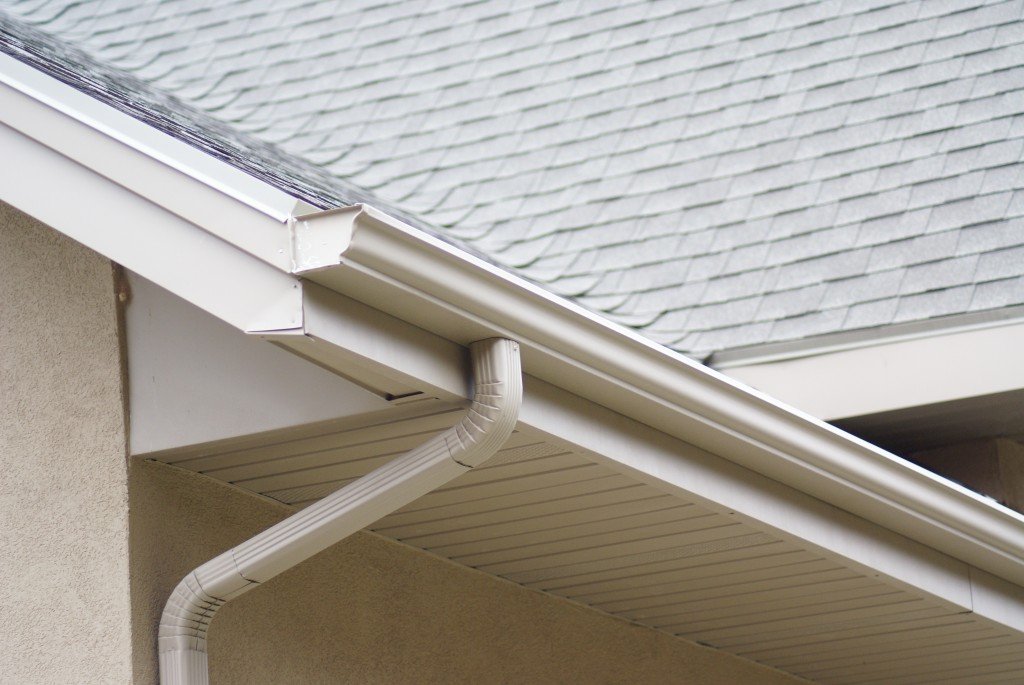
- Gutters. Overflowing gutters can send water into a wall and ceiling edge.
A simple test: did the stain appear or grow after rain? If yes, the roof is the likely source. If it appeared in dry weather, check plumbing and air conditioning first.
What to Do Today
- Photograph the stain with the date, from several angles, and note any rain beforehand. This helps with repairs and with insurance.
- Protect the room. Move furniture, set out a bucket if it is dripping and keep people away from a sagging or bulging ceiling.
- Shut off the water to the house or the fixture if you suspect a pipe, then call a plumber.
- Do not paint yet. Angi’s advice is to find and fix the root cause first. Once it is fixed and the area is dry, a stain-blocking paint can cover the mark.
- Call the right professional. A plumber for water supply or drains. A roofer for a suspected roof leak. See what to do when you discover a roof leak.
Could It Be Mold?
Possibly. Mold is often black but can look brown or green, and it is more likely in humid rooms such as bathrooms and laundry rooms. Small round splotches, a fuzzy look, or a musty smell are warning signs. If you suspect mold, do not disturb it, and bring it up with whoever inspects the leak.
Insurance Notes
If the leak came from a covered storm event, photos taken right away and a written inspection report matter. Our guide to what Arizona homeowners insurance covers for roofs explains the basics. Coverage depends on the cause and on your policy, so ask your insurer.
Get the Source Found and Fixed
Tip Top Roofing Service is a GAF-certified, BBB-accredited roofing contractor in Old Town Scottsdale serving the Phoenix metro. If the stain points to the roof, we trace the water to its entry point and give you a written estimate. Estimates are free.
Think it is the roof? See our roof repair service or book a roof inspection.
Call (480) 877-1643 or email info@tiptoproofingservice.com. ROC License #355034.
Frequently Asked Questions About Brown Ceiling Stains
Why is my ceiling stain brown and not just wet?
A brown stain is a dried water mark. It means water soaked into the ceiling material at some point. The color does not identify the source, so you still need to trace where the water came from.
Is a brown ceiling stain always a roof leak?
No. Plumbing, air conditioning condensation, attic condensation, gutters and smoke can all cause one. Stains on top-floor ceilings and near roof penetrations point more toward the roof.
Should I paint over a brown ceiling stain?
Not until the cause is fixed and the area is dry. Painting alone does not stop the water, and the stain can return.
Is a brown ceiling stain dangerous?
The stain itself is not, but the moisture behind it can lead to mold, rot and a weakened ceiling. A sagging ceiling or a musty smell calls for prompt attention.
Who should I call first?
If the stain is below a bathroom or kitchen, start with a plumber. If it appeared after rain or sits on a top-floor ceiling, start with a roofer.
References
Tip Top Roofing Service | (480) 877-1643 | info@tiptoproofingservice.com | tiptoproofingservice.com | 6830 E 5th Ave Ste 205, Scottsdale, AZ 85251 | ROC License #355034