A leak that returns in the exact same spot after a repair isn’t bad luck or a failed patch. It almost always means the original repair fixed where the water showed up, not where it actually got in. Here’s why that happens and how to actually stop it.
The Core Problem: Entry Point vs. Exit Point
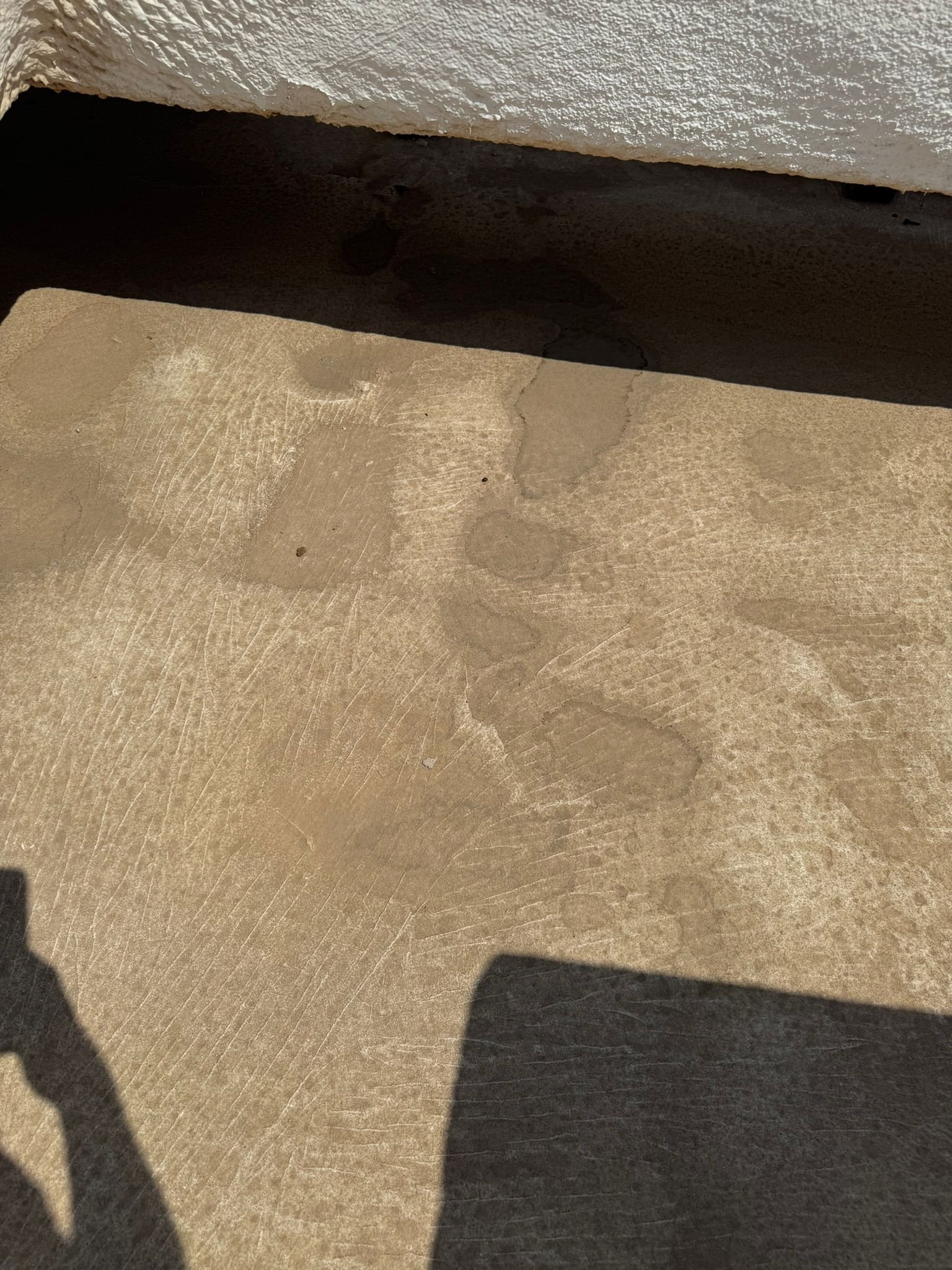
Water rarely enters a roof directly above where it shows up on the ceiling. It travels sideways along framing, underlayment, or decking before it finally drips through somewhere visible. A repair that targets the ceiling stain’s location, rather than tracing the water back to where it actually entered, patches the symptom and leaves the real entry point open. The next rain, the same path refills and the same stain reappears.
The Most Common Real Causes
- Failing flashing, not failed sealant. When a leak keeps returning near a penetration, chimney, vent, or wall transition, the underlying cause is usually aging or poorly installed flashing, not a sealant that needs reapplying. Resealing the surface without replacing the flashing underneath just delays the next leak.
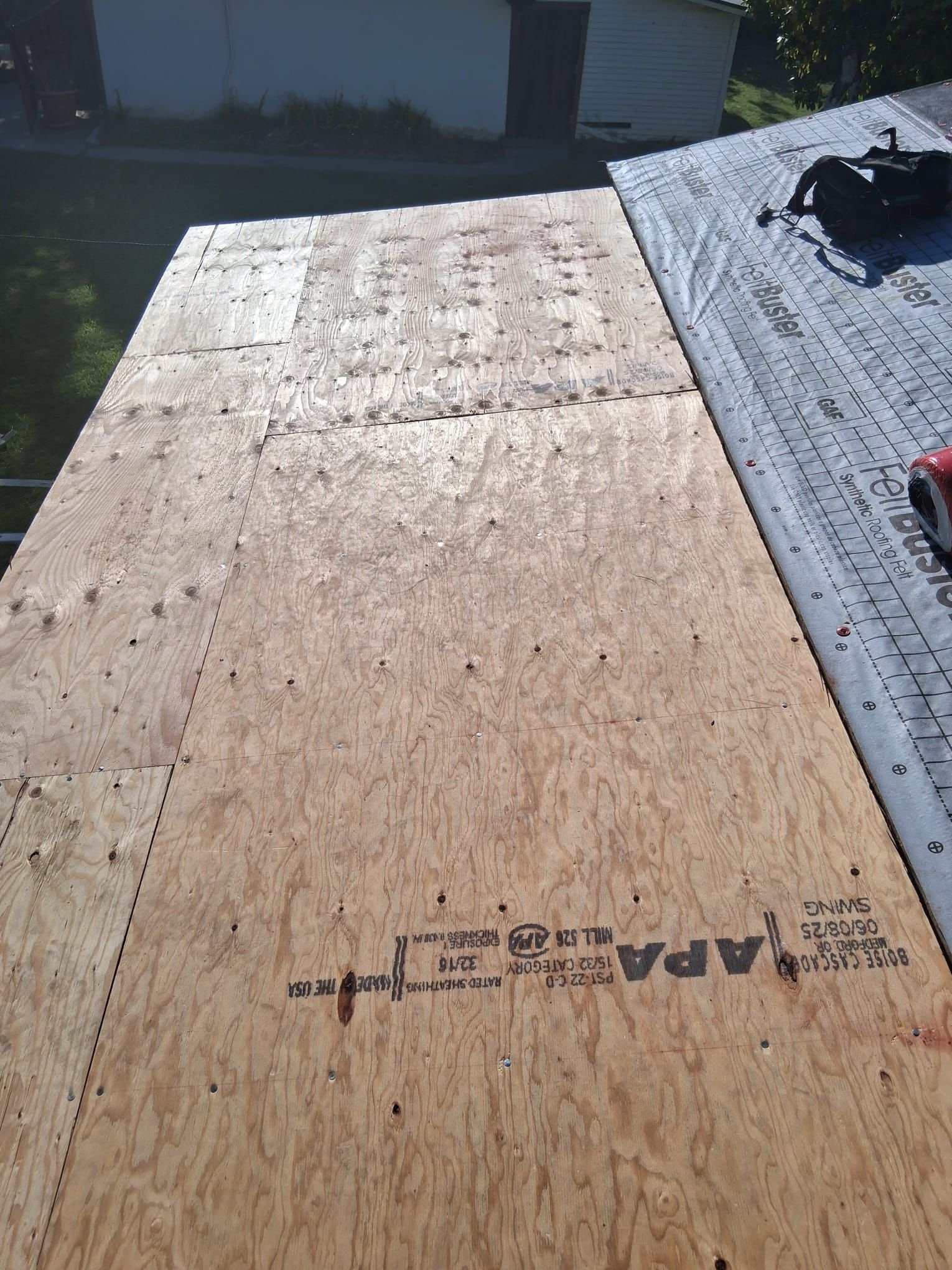
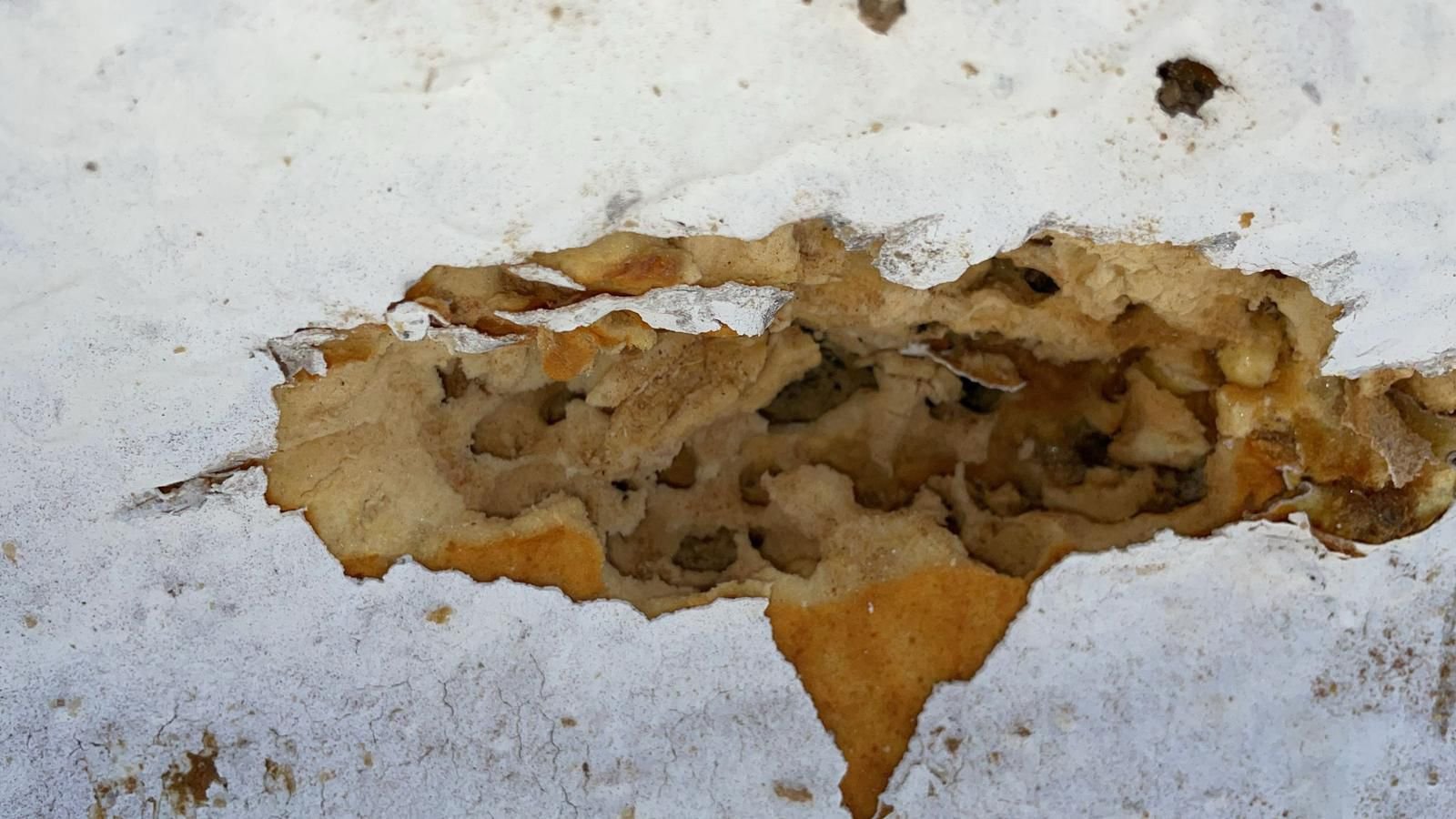
- Incomplete underlayment or decking repair. If a repair replaced the surface material but left damaged underlayment or rotted decking underneath, water finds the same weak point again.
- Drainage directing water back to the same spot. Clogged or undersized gutters, or a drainage path that channels runoff against a specific wall or roof section, can recreate the same leak condition repeatedly regardless of how well that one spot was patched.
- Multiple leak sources, only one addressed. A roof can have more than one weak point feeding the same interior stain. Fixing one source while a second, unnoticed source remains active looks identical to a failed repair.
- Condensation mistaken for a leak. Poor attic ventilation can create moisture that mimics a roof leak’s symptoms. No amount of exterior patching stops a problem that’s actually condensation-driven.
Same Spot vs. New Spot: What Each One Tells You
If the leak returns in the exact same spot, the entry point likely wasn’t correctly identified the first time. If it shows up in a new location instead, the original repair may have redirected water to a different exit point rather than actually stopping the intrusion. Either pattern points to an incomplete diagnosis, not a repair done wrong on its own terms.
Why Timing Patterns Matter for Diagnosis
- Leaks only during wind-driven rain point toward a windward wall, parapet, window, or penetration issue.
- Leaks appearing days after rainfall suggest saturated insulation or water migrating slowly through the assembly before reaching a visible point.
- Leaks during dry weather are rarely a roof leak at all, more likely plumbing, HVAC condensation, or stored moisture.
When It’s Time to Stop Patching and Look Bigger
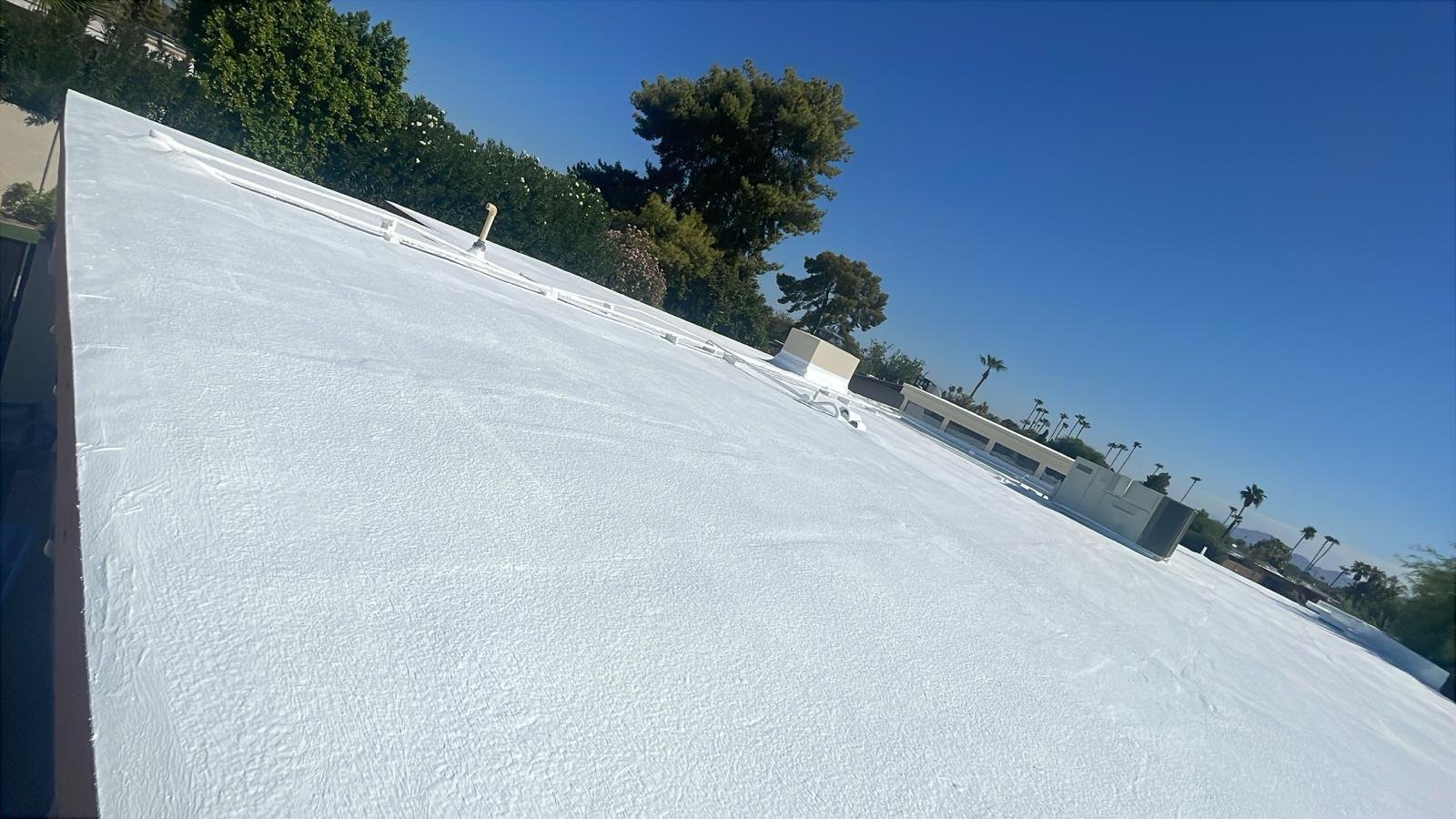
A roof repair that’s already failed two or three times on the same spot is a signal, not bad luck. At that point, a full diagnostic inspection, tracing the actual water path rather than re-patching the visible symptom, is worth the cost before committing to another targeted repair. If the roof is also approaching the end of its expected lifespan, repeated leak failures are often one of the clearest practical signs that replacement is the more sensible move.
Frequently Asked Questions About Recurring Roof Leaks
Why does my roof keep leaking in the same spot after it was repaired?
Almost always because the repair addressed where the water appeared on the ceiling, not where it actually entered the roof. Water travels sideways along framing and decking before showing up, so the visible stain and the real entry point are often in different locations.
Is it normal for a roof to still leak after a repair?
No. A continued leak means the original diagnosis missed the actual entry point or the repair was incomplete, not that leaks are simply expected to recur after a fix.
Could a recurring leak actually be condensation instead?
Yes. Poor attic ventilation can cause moisture buildup that mimics a roof leak’s symptoms, and no amount of exterior patching resolves a condensation-driven problem.
How many failed repairs should it take before considering replacement?
Two or three repeated failures on the same area, especially on a roof already approaching its expected lifespan, is a strong signal that a full diagnostic inspection or replacement is more sensible than another targeted patch.
Get the Actual Source Traced, Not Just Patched
As a local roofing company serving Scottsdale, AZ, Tip Top Roofing Service diagnoses recurring leaks by tracing the real water path, not just resealing the spot where it shows up inside.
📞 Call Tip Top Roofing Service today at (480) 877-1643
📧 Email: info@tiptoproofingservice.com
🌐 Website: https://tiptoproofingservice.com/