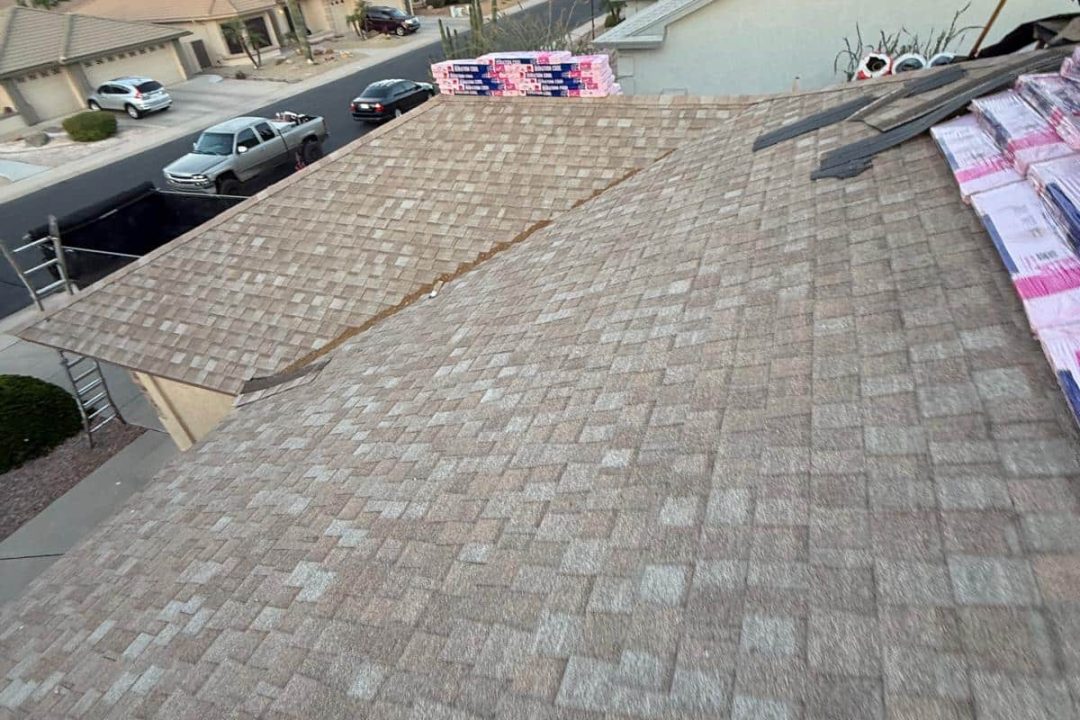
Most roofs don’t fail all at once. They show warning signs for months or years before the problem becomes a leak inside your home. Here’s what to actually look for on a Scottsdale roof, whether it’s tile, shingle, or metal.
Signs on Tile Roofs
- Cracked or slipping tiles. A few cracked tiles are a repair. Widespread cracking or tiles sliding out of place across multiple sections points toward a bigger problem, often failing underlayment beneath tiles that still look intact.
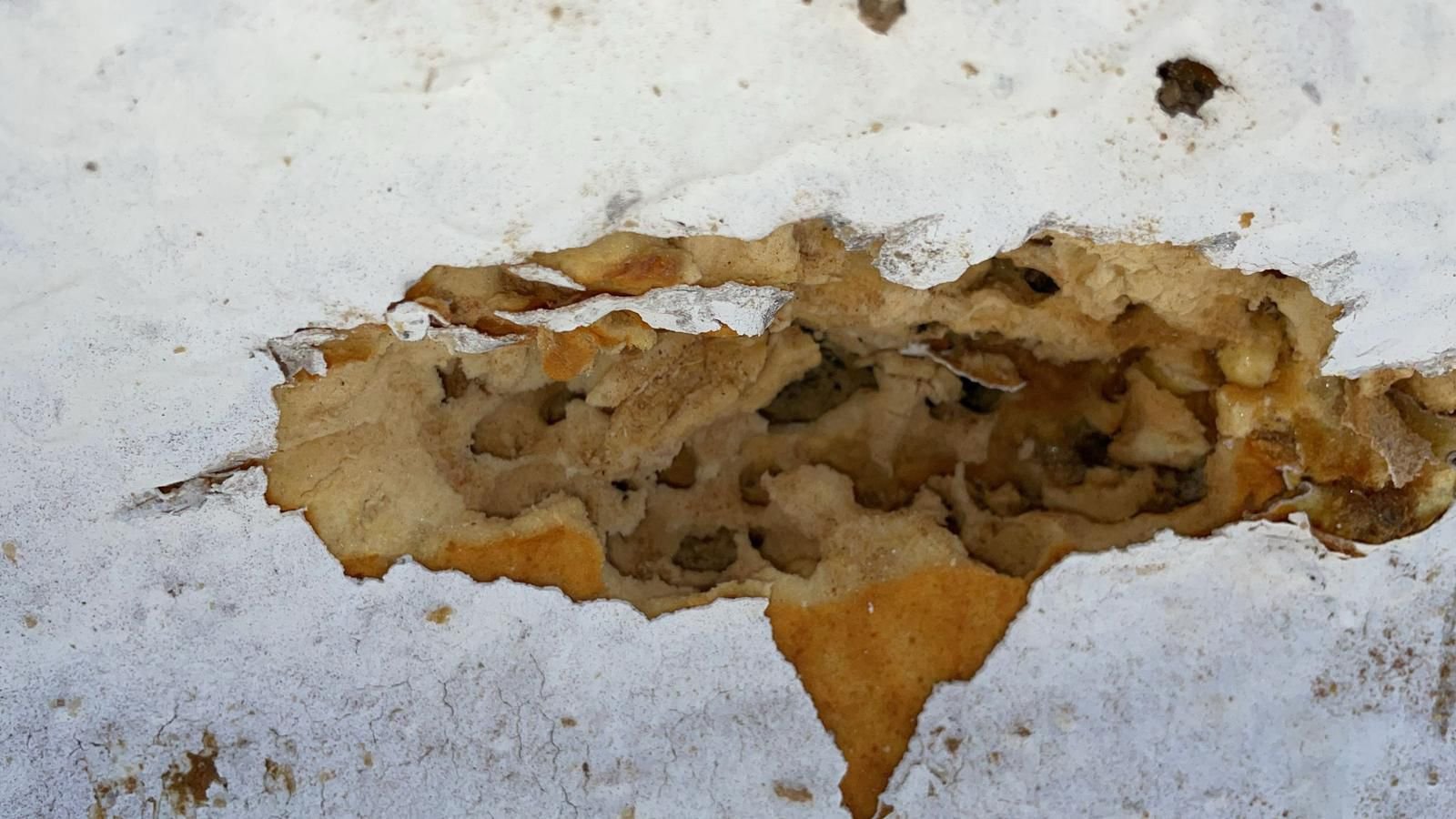
- Deteriorating mortar at ridges and edges. Crumbling or missing mortar at the ridge line lets water in even when the tiles themselves look fine.
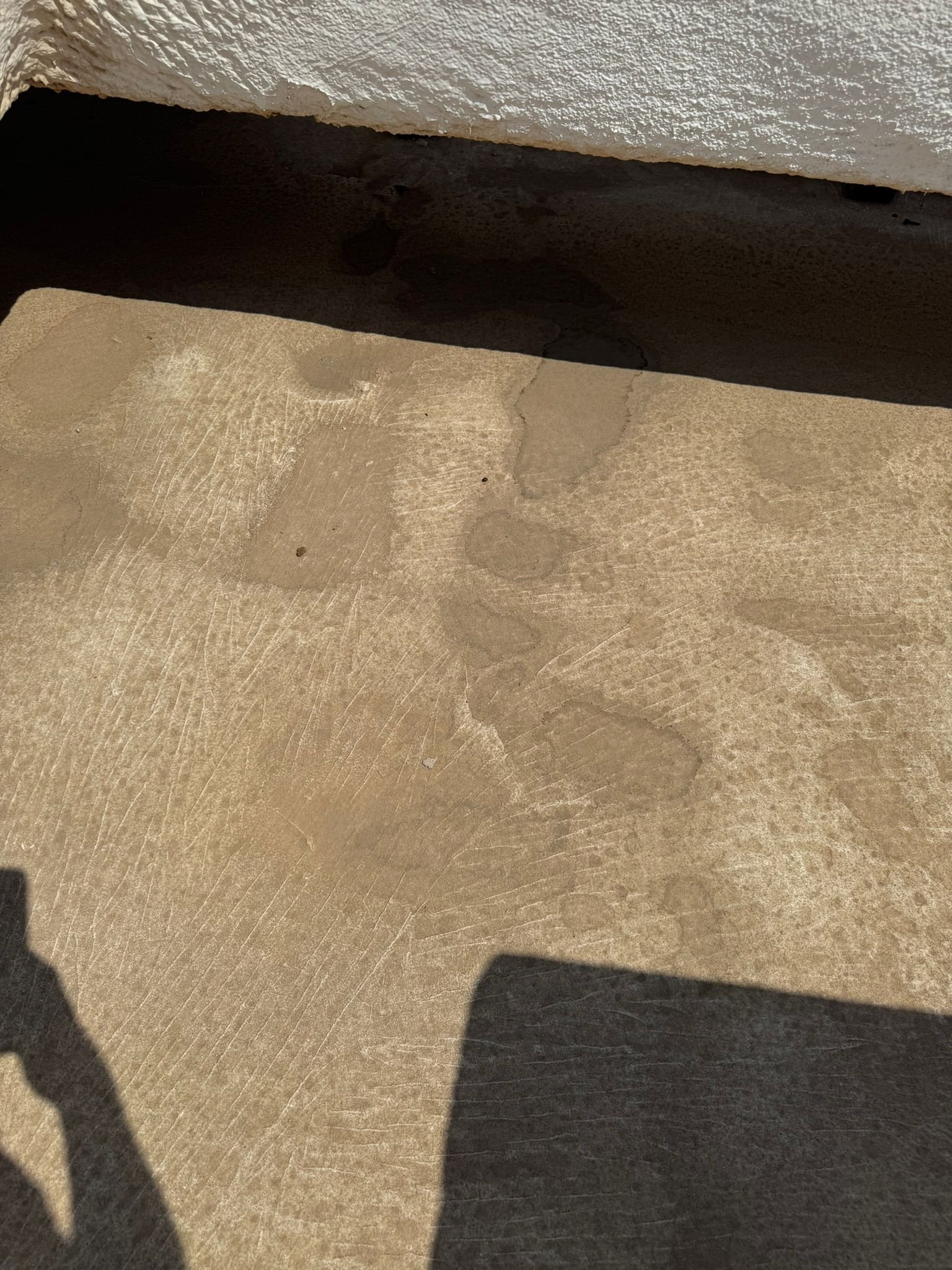
- Water stains inside despite intact-looking tiles. Tile itself rarely wears out; the underlayment underneath does, on its own separate timeline. Interior stains often mean the underlayment has failed even though the tile above looks fine.
Signs on Shingle Roofs
- Curling, cracking, or buckling shingles. Edges that lift or curl signal the shingle has lost its ability to shed water.
- Granule loss. Bald spots on shingles or granules collecting in gutters means the protective surface is wearing away.
- Age. Most asphalt shingle roofs are rated for 20 to 25 years. Approaching that mark is worth planning around even without visible damage yet.
Signs on Metal Roofs
- Rust or corrosion spots. Once rust penetrates the surface, it spreads and compromises the panel underneath.
- Loose or lifting panels. Loose fasteners create immediate water infiltration points.
- Large dents from hail or debris. Dents alone aren’t always a replacement trigger, but they’re worth a professional look if widespread.
Signs That Apply to Any Roof Type
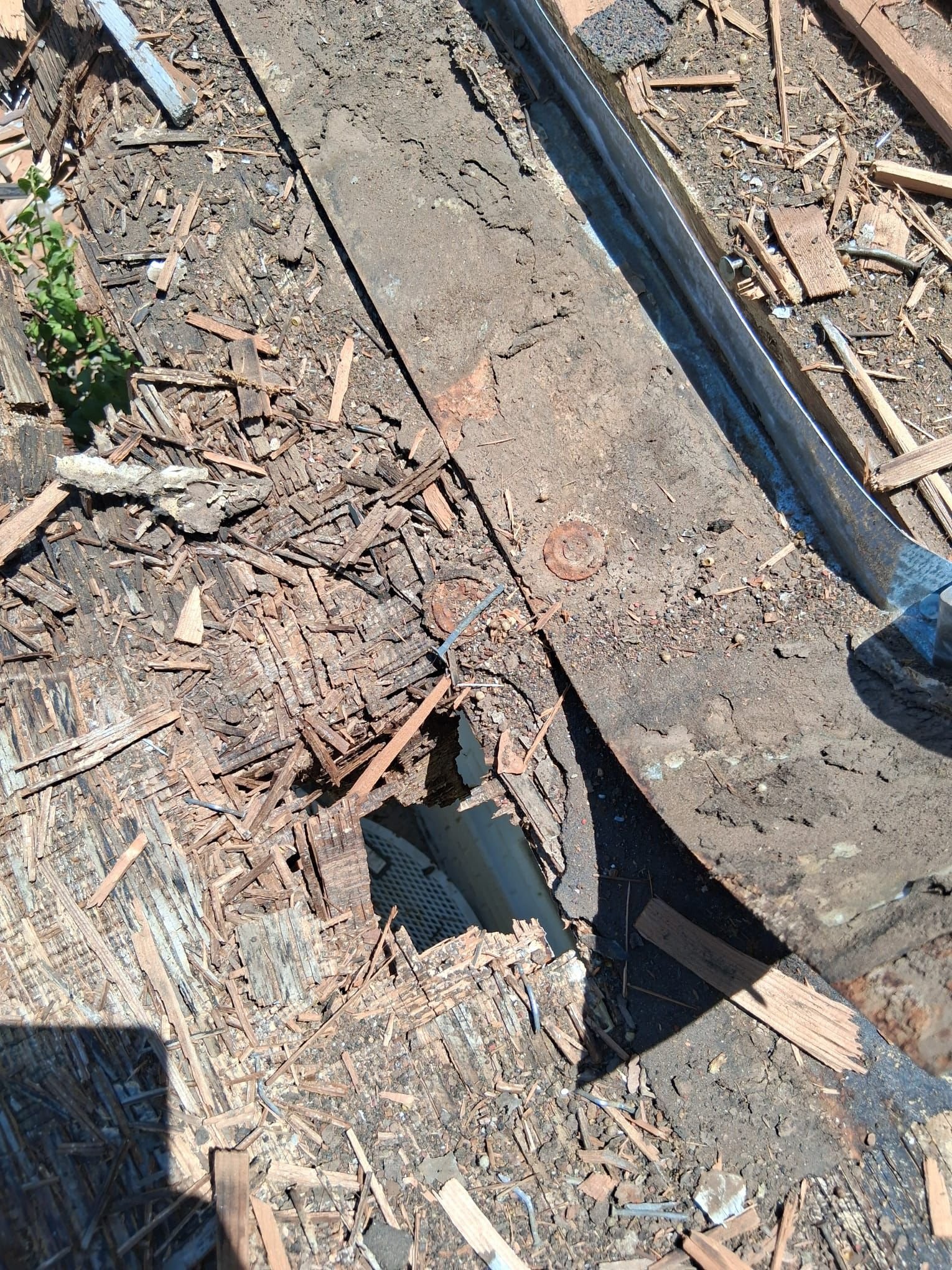
- Sagging or a wavy roofline. Visible dips or unevenness point to structural issues in the decking, not just surface wear. Treat this as urgent rather than cosmetic.
- Recurring leaks in different spots. A single isolated leak is usually a repair. Leaks appearing in multiple, unrelated areas suggest system-wide deterioration.
- Daylight visible through the roof deck from the attic. A clear failure indicator that needs immediate attention, not a wait-and-see item.
Localized vs. Systemic: The Real Question
The fastest way to sort these signs is by scope, not count. A few localized signs on a roof under about 12 years old usually mean a repair. Any systemic sign, sagging, widespread cracking, leaks in multiple locations, or an age approaching end-of-life, is worth getting inspected before deciding.
Frequently Asked Questions About Signs Your Roof Needs Replacement
What’s the clearest sign a roof needs full replacement?
Sagging or a visibly wavy roofline is the clearest structural warning sign. It points to decking damage rather than surface wear and should be treated as urgent.
How can I tell if my tile roof needs replacement if the tiles look fine?
Tile itself rarely wears out; the underlayment beneath it does. Water stains appearing inside despite tiles that look intact often mean the underlayment has already failed.
Is one leak enough to justify a full roof replacement?
Usually not. A single, isolated leak is typically a repair. Recurring leaks in multiple, unrelated locations point toward system-wide deterioration and are a stronger signal for replacement.
How old does a roof need to be before replacement becomes likely?
Most asphalt shingle roofs are rated for 20 to 25 years; tile and metal last considerably longer. Approaching the end of a material’s rated lifespan is worth planning around even before visible damage appears.
Get a Professional Read on Your Roof’s Condition
As a local roofing company serving Scottsdale, AZ, Tip Top Roofing Service checks for both surface and structural signs during every inspection, so you know exactly where your roof stands before deciding anything.
📞 Call Tip Top Roofing Service today at (480) 877-1643
📧 Email: info@tiptoproofingservice.com
🌐 Website: https://tiptoproofingservice.com/