How you pay a roofer matters as much as how you finance the project. A well-structured payment schedule protects you from fraud and abandoned work; a bad one hands a contractor your money before they’ve earned it. Here’s how legitimate payment plans are typically structured, separate from loan financing.
The Standard Milestone Structure
Reputable roofing companies typically bill in stages tied to verifiable project milestones, not a single upfront lump sum:
- Deposit at contract signing (roughly 30 to 50% of total). This funds material procurement before work begins.
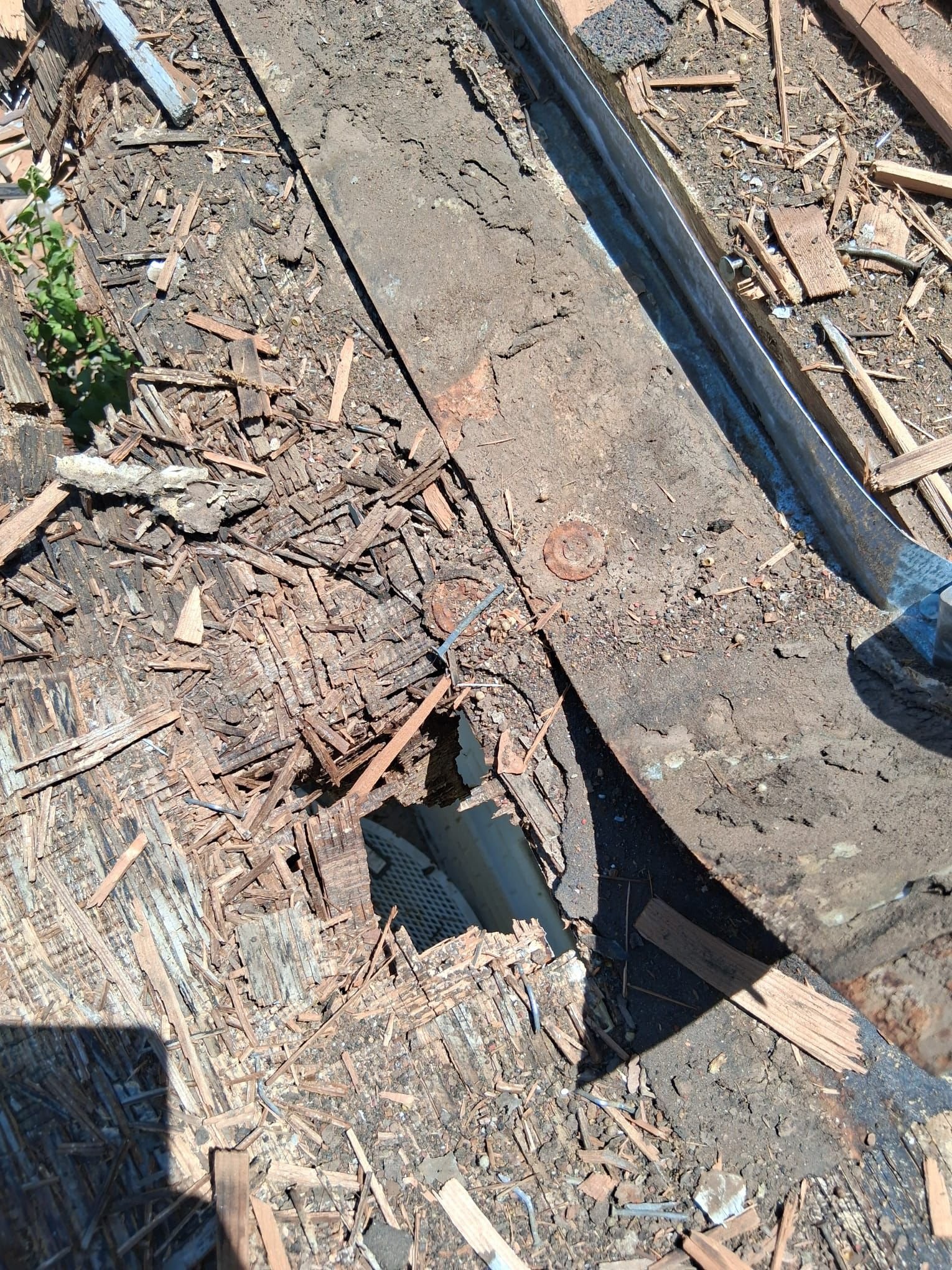
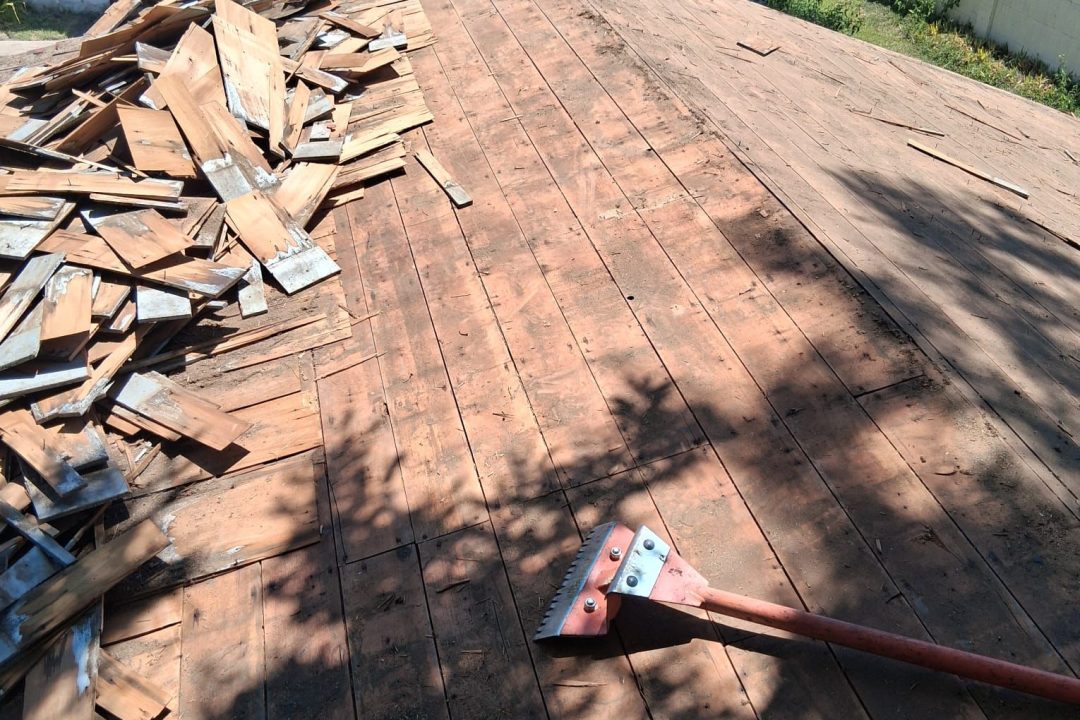
- Progress payment after tear-off and deck inspection. This is a critical checkpoint, since deck damage often isn’t visible until the old roofing comes off. Any repairs found here should be documented and approved as a change order before this payment.
- Final payment at completion, after a final inspection confirms the work matches the contract.
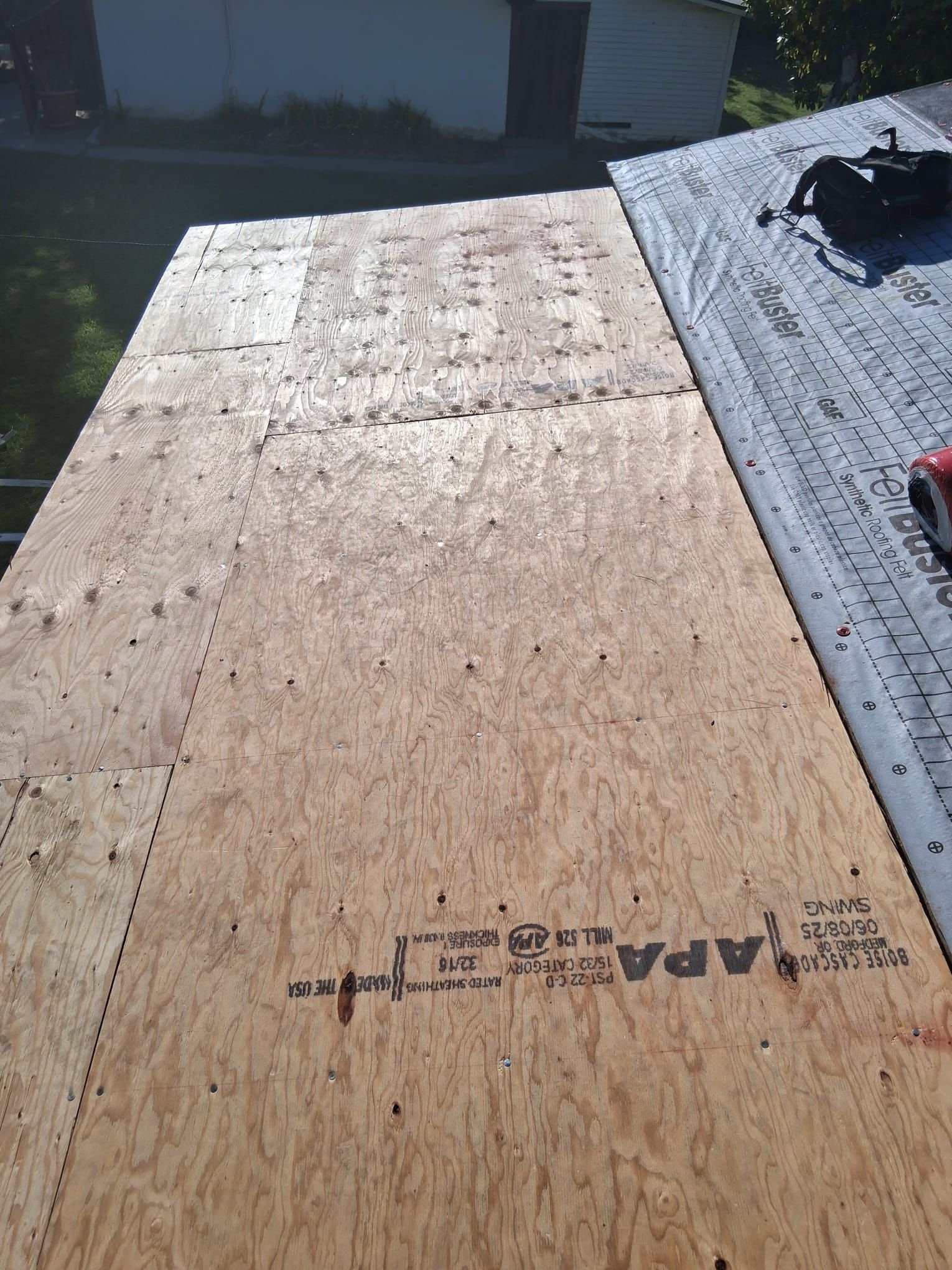
Larger or more complex projects, generally over $15,000 or involving specialty materials like tile or metal, often use a four-milestone structure for tighter control, adding a payment tied to underlayment or flashing completion between tear-off and final payment.
Promotional 0% Contractor Financing
Many roofing companies offer subsidized 0% financing through lending partners, typically for a 6 to 24 month promotional period. If you pay the full balance within that window, you pay no interest at all. The catch is deferred interest: if the balance isn’t fully paid by the end of the promo period, many programs charge interest retroactively on the entire original balance, sometimes at rates well above 20% APR. Set a firm reminder well before the promo period ends if you go this route.
What a Contract Should Specify Before You Pay Anything
- Exact materials by brand and model, not a vague description
- Start and completion dates
- The contractor’s license and insurance numbers, verified independently
- The specific payment schedule tied to specific, verifiable milestones
Why Payment Structure Prevents Disputes
Payment disputes are among the top causes of litigation between homeowners and roofing contractors, and in most cases the root issue traces back to an unclear or front-loaded payment schedule rather than the quality of the work itself. Tying payments to verifiable milestones, documented in writing, gives both sides a clear standard for what’s owed and when.
Frequently Asked Questions About Roofing Payment Plans
How much deposit is normal for a roof replacement?
Typically 30 to 50% at contract signing, which funds material procurement before work begins. A demand for full payment upfront is a warning sign, not a standard practice.
What’s the risk with 0% contractor financing promotions?
Deferred interest. If the balance isn’t paid in full before the promotional period ends, many programs charge interest retroactively on the entire original balance, often at a much higher rate than expected.
When should the second payment be made on a roof project?
After tear-off and deck inspection, since deck damage often isn’t visible until the old roofing is removed. Any repairs found should be documented as a change order before this payment is made.
What causes most roofing payment disputes?
An unclear or front-loaded payment schedule, more often than the quality of the work itself. A written schedule tied to specific milestones reduces this risk for both parties.
Get a Clear, Milestone-Based Payment Schedule
As a local roofing company serving Scottsdale, AZ, Tip Top Roofing Service structures payments around verifiable project milestones, laid out clearly in writing before any work starts.
📞 Call Tip Top Roofing Service today at (480) 877-1643
📧 Email: info@tiptoproofingservice.com
🌐 Website: https://tiptoproofingservice.com/