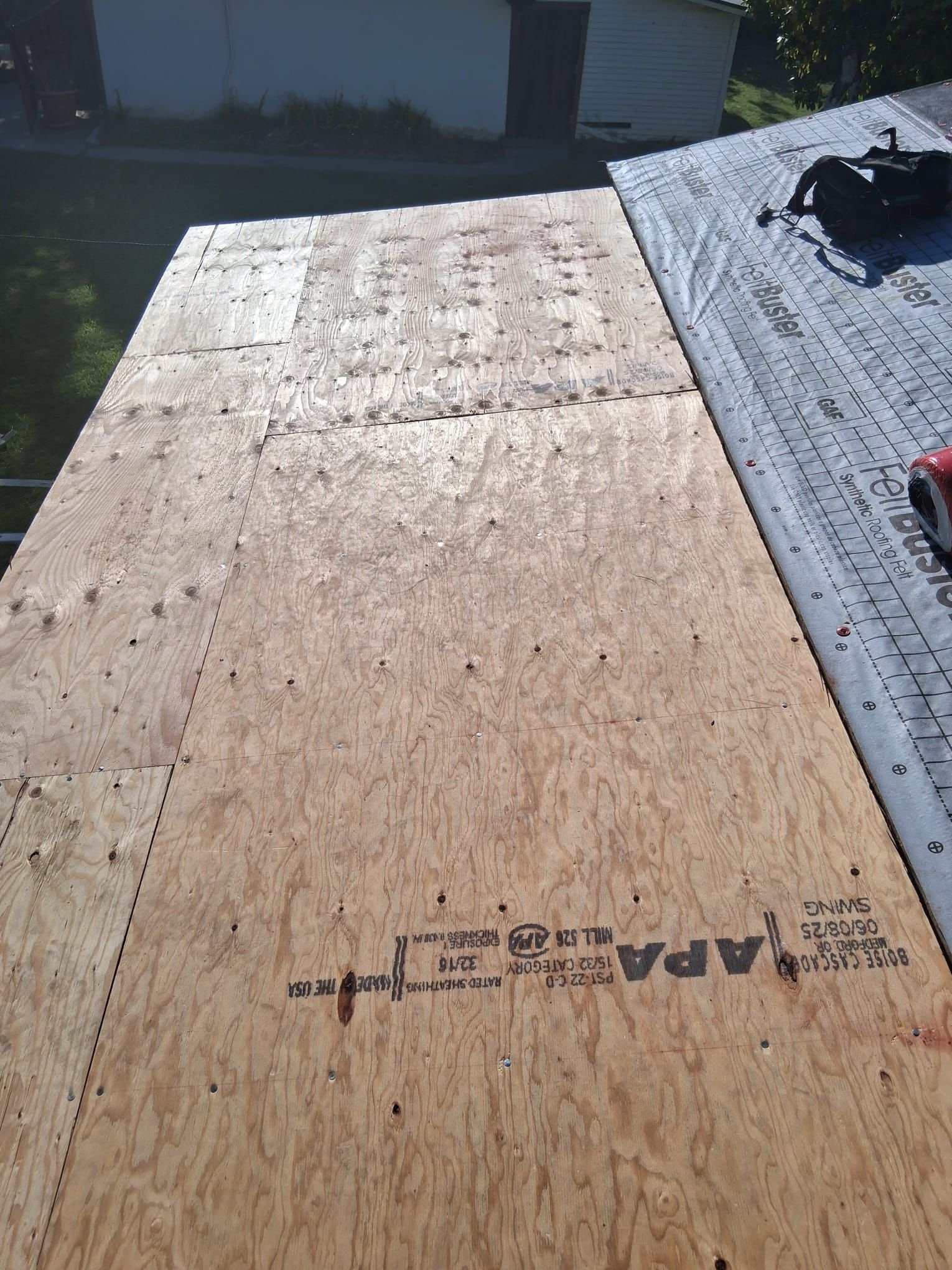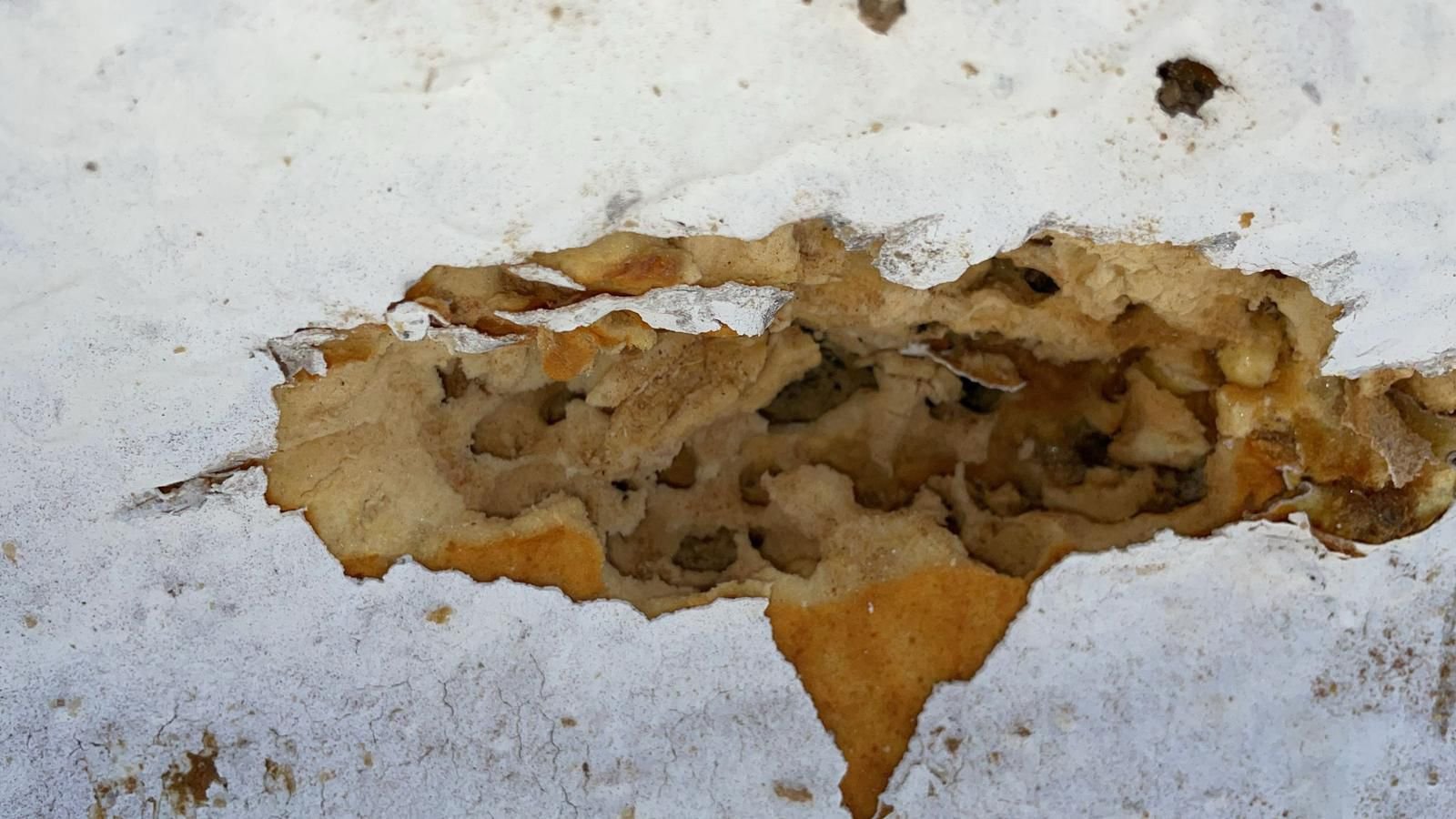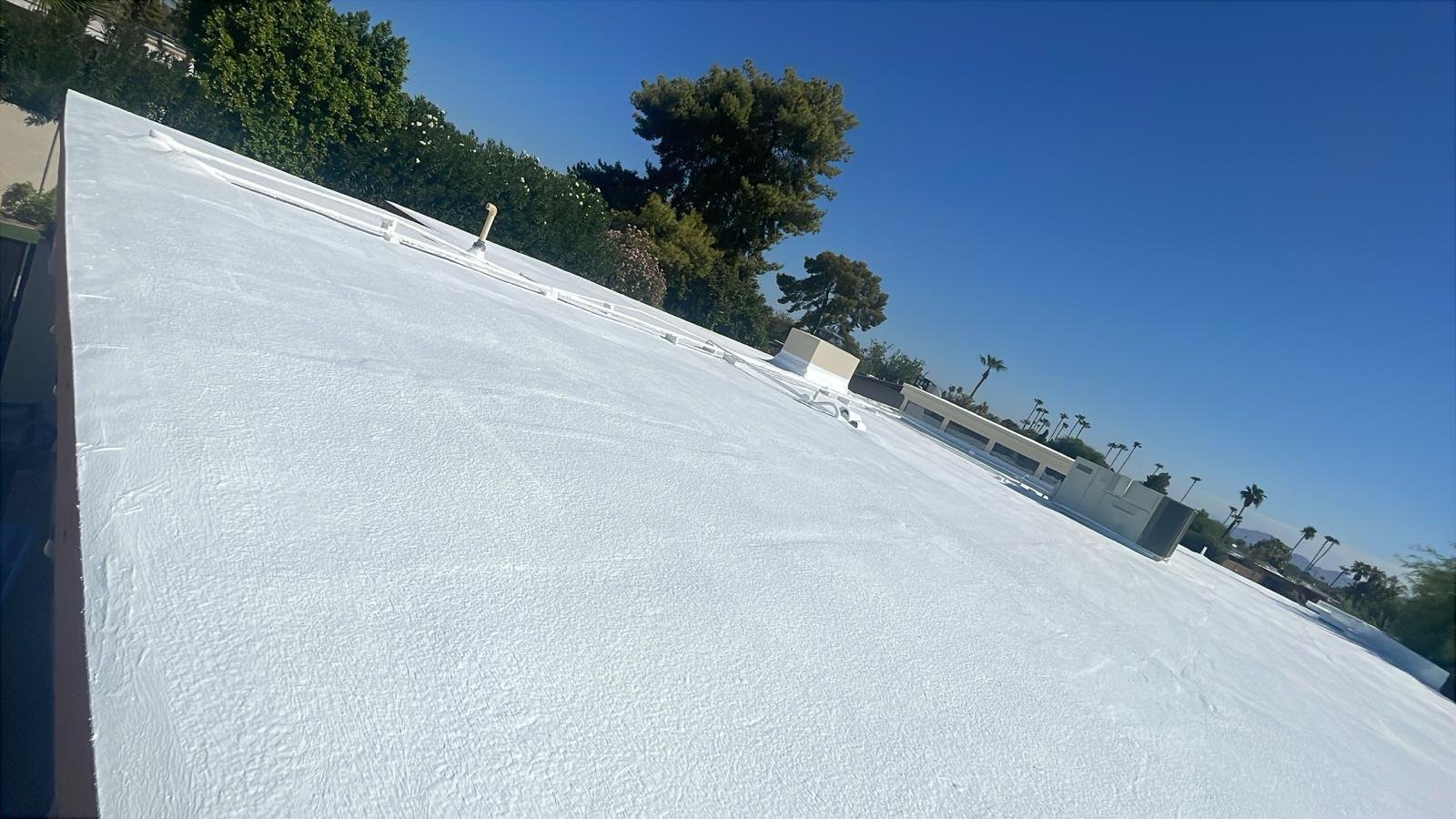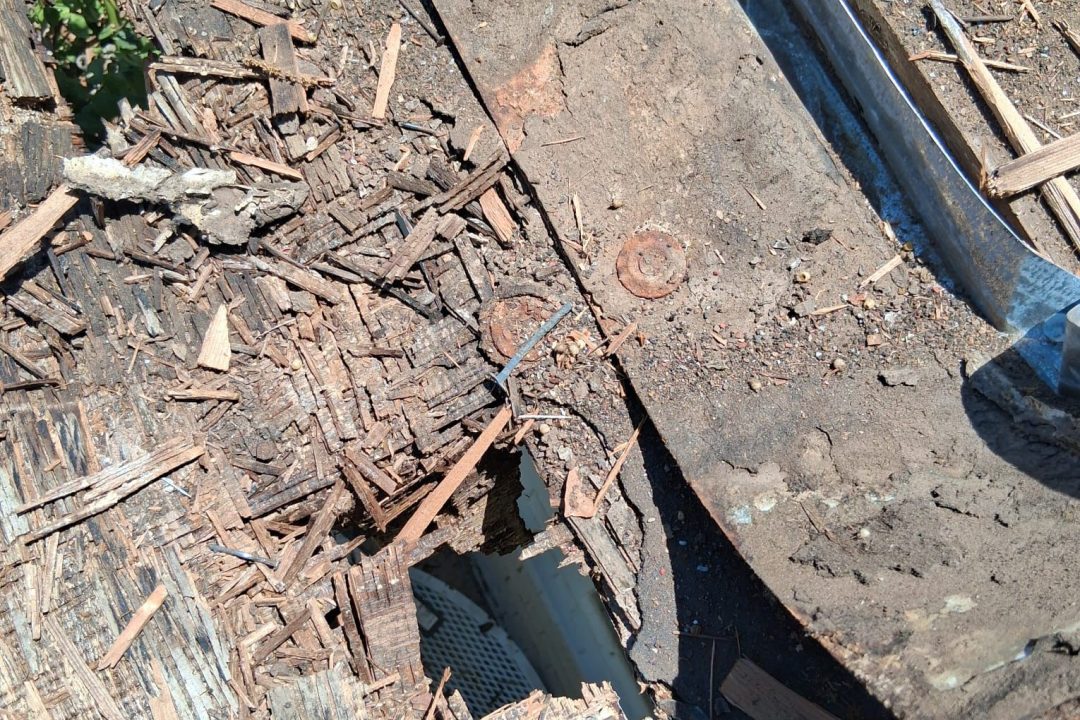
Underlayment is the layer that actually keeps water out. The visible roofing material above it, shingle, tile, or metal, mostly protects the underlayment from sun and impact. Here’s how the three main types compare, and a tile-specific consideration most general guides skip.
The Three Main Types
- Asphalt-saturated felt. Cellulose or fiberglass mat soaked in asphalt, manufactured to ASTM D226 or D4869, sold in 15-pound and 30-pound weights. The traditional standard, water-resistant rather than fully waterproof, and it’s what went down on most Valley roofs from the 1980s through the mid-2000s.
- Synthetic underlayment. Woven polypropylene or polyethylene sheets, typically referenced to ASTM D6757 for fiberglass-reinforced products, though many synthetic products on the market don’t carry a formal ASTM rating at all, which is worth checking directly rather than assuming.
- Self-adhering (peel-and-stick) membrane. A polymer-modified bitumen membrane meeting ASTM D1970, fully waterproof and self-sealing around fastener penetrations, commonly used at valleys, eaves, and other high-risk areas even when a different underlayment covers the rest of the roof.
What Phoenix Code Actually Requires
Under the Phoenix-adopted residential code, clay and concrete tile roofs with a slope between 2.5:12 and 4:12 require double underlayment application. At 4:12 pitch or steeper, a single layer meets code. That’s the legal minimum, not necessarily what performs best long-term in this climate, a distinction worth keeping separate when comparing quotes.
The Tile-Specific Issue Most Guides Skip: Fastener Self-Sealing
Tile roofs are installed over battens fastened repeatedly through the underlayment into the deck, creating hundreds of penetration points across a typical roof. Asphalt-based materials, felt and self-adhering membrane alike, tend to self-seal around a nail shaft because the asphalt is slightly pliable and conforms to the fastener. Many synthetic underlayments don’t have that same self-sealing quality, which means each batten fastener penetration can be a potential water path if the installation detail isn’t handled carefully. This is a genuine point of disagreement in the industry: some Arizona contractors recommend high-temperature synthetic across the tile field without reservation, while others recommend against synthetic specifically under tile for this reason, preferring felt or self-adhered membrane precisely because of how battens penetrate the surface. Worth asking directly how your contractor’s chosen underlayment handles batten fastener sealing, not just its UV or temperature rating.
A Common Arizona Approach for Tile
A frequent practical compromise: self-adhered SBS membrane at the areas that fail first, valleys, eaves, rakes, headwalls, sidewalls, and every penetration, paired with either a second felt ply or a genuinely high-temperature-rated synthetic across the broad field areas. This targets the self-sealing property where it matters most (the detail areas) while managing cost across the larger flat field sections.
How to Read the Underlayment Line on a Quote
- Which ASTM standard does it meet? D226 or D4869 for felt, D1970 for self-adhered, D6757 for fiberglass-reinforced synthetic. No standard listed is worth asking about directly.
- Single layer or double? Confirm whether the quote meets code minimum for your roof’s specific pitch or exceeds it.
- What’s specified at valleys and penetrations specifically? These high-risk areas often warrant self-adhered membrane even on a roof using felt or synthetic across the main field.
Frequently Asked Questions About Roof Underlayment
What’s the difference between felt and synthetic underlayment?
Felt is an asphalt-saturated fiber mat (ASTM D226 or D4869); synthetic is a woven polypropylene or polyethylene sheet, often without a formal ASTM rating. Synthetic is generally lighter and more tear-resistant, but doesn’t self-seal around fastener penetrations the way asphalt-based felt does.
Is synthetic underlayment a bad choice under tile?
It’s genuinely debated. Because tile installation requires hundreds of batten fastener penetrations through the underlayment, and many synthetics don’t self-seal around those penetrations the way asphalt-based felt or self-adhered membrane does, some Arizona roofers avoid synthetic specifically under tile for this reason, while others still recommend high-temperature-rated synthetic there.
Does Phoenix code require two layers of underlayment under tile?
Only for roof slopes between 2.5:12 and 4:12. At 4:12 pitch or steeper, a single layer meets code, though two layers or self-adhered coverage can still add real longevity in this climate.
Where is self-adhered membrane worth using even on a budget roof?
Valleys, eaves, rakes, wall transitions, and penetrations, the areas that fail first on any roof, benefit from self-adhered membrane’s full waterproofing and self-sealing properties even when the broader field uses a less expensive underlayment.
Get an Underlayment Spec That Fits Your Roof Type
As a local roofing company serving Scottsdale, AZ, Tip Top Roofing Service specifies underlayment by ASTM standard and explains exactly how it handles batten fastener sealing on tile roofs, not just a generic brand name.
📞 Call Tip Top Roofing Service today at (480) 877-1643
📧 Email: info@tiptoproofingservice.com
🌐 Website: https://tiptoproofingservice.com/