If your roof still has one layer of shingles, you may get offered a cheaper option at reroof time: install new shingles right over the old ones instead of tearing off first. It’s a real choice with real tradeoffs, not just an upsell. Here’s how the two options actually compare.
What Each Option Actually Involves
Roof-over (overlay): New shingles go directly on top of the existing layer. No tear-off, no disposal, faster and cheaper.
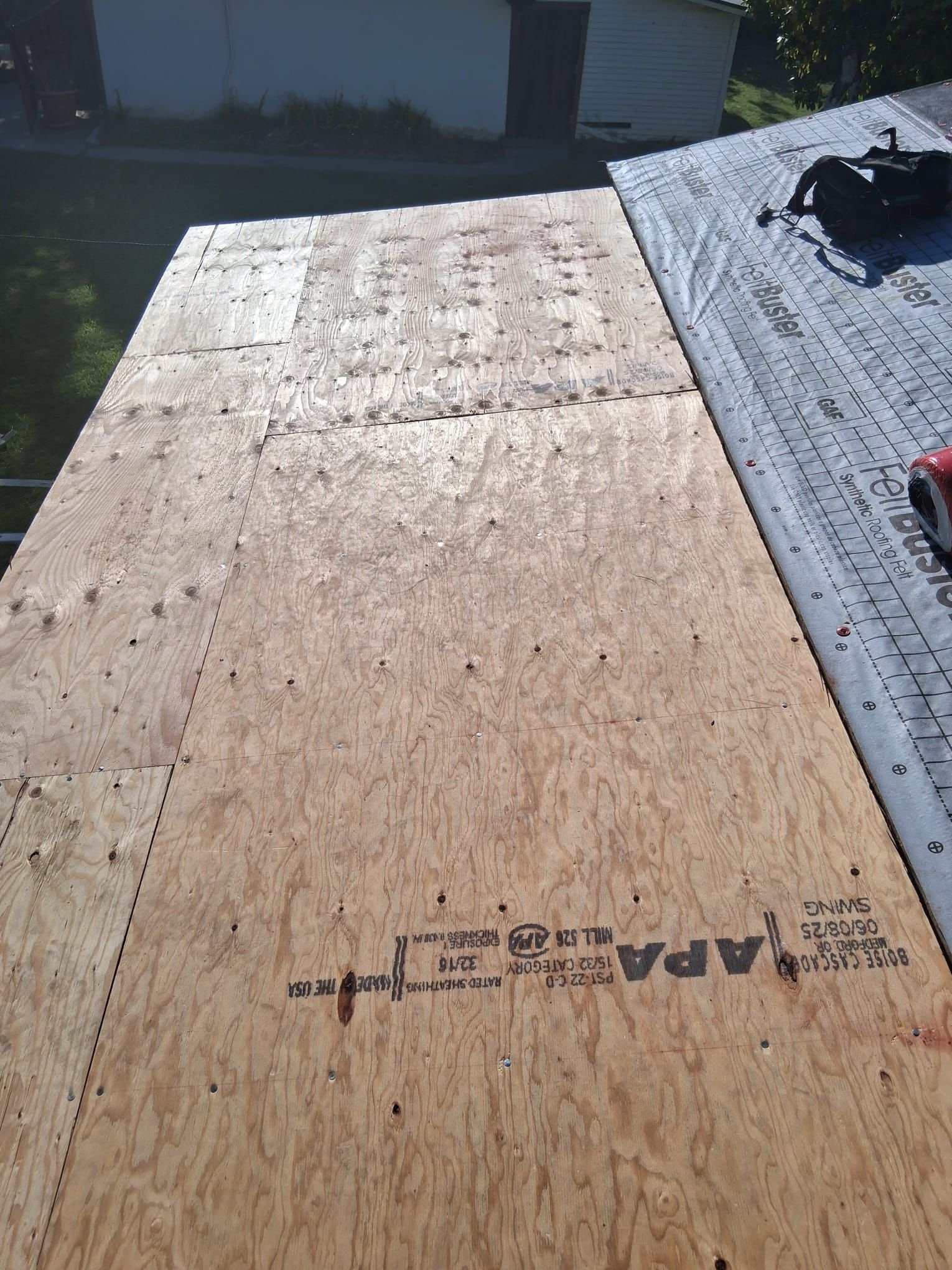
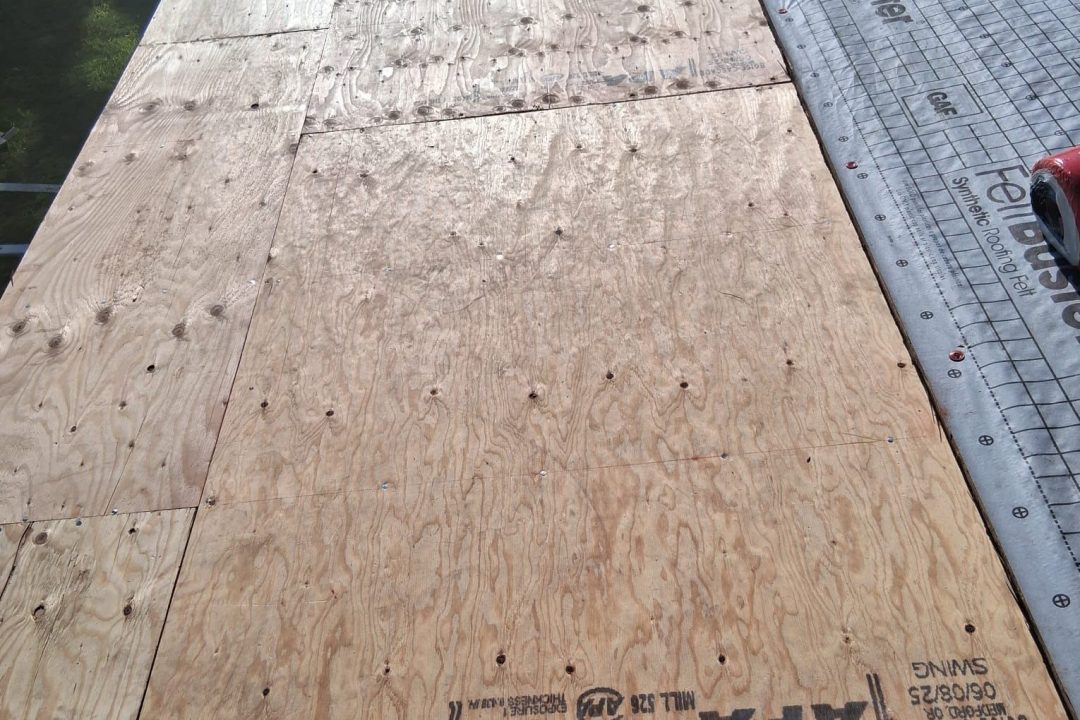
Tear-off: The old roofing comes off completely, down to the deck, before anything new goes on. More labor and cost, but a clean start.
Why Tear-Off Wins on Lifespan
Shingles installed over an existing layer typically last 10 to 18 years, compared to 20 to 30 years for shingles installed on a clean, tear-off deck. The gap comes down to trapped heat: two layers of shingle hold more heat than one, which accelerates deterioration from underneath.
The Hidden-Damage Problem
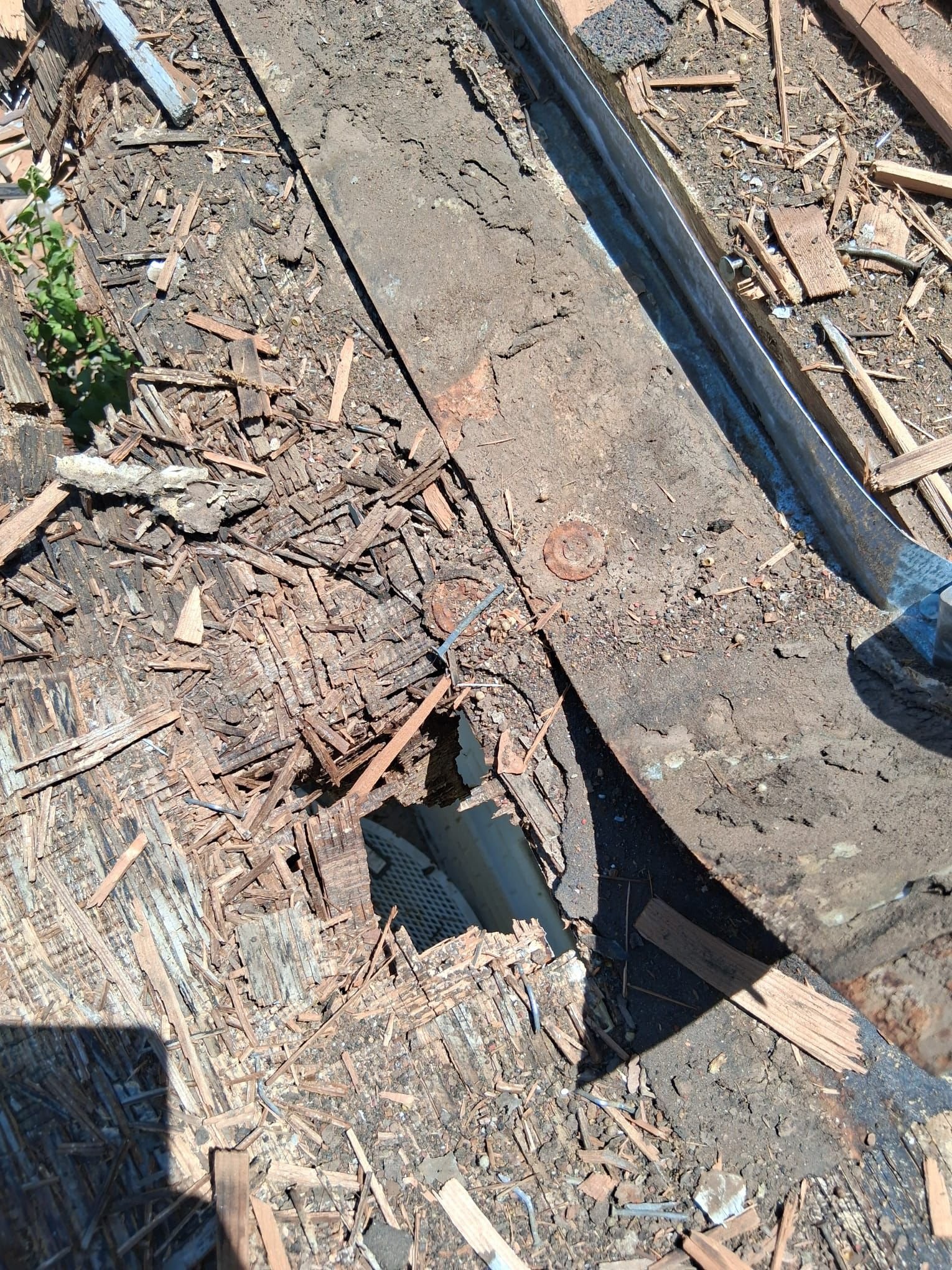
A roof-over covers up whatever’s underneath, for better or worse. Rotted decking, existing leaks, or failing underlayment stay hidden and keep working against the roof from below. A tear-off is the only way to actually see the deck and catch problems before they’re sealed under a new layer.
Warranty and Code Limits
Most manufacturer warranties require a full tear-off to apply; an overlay can void or limit coverage. Many jurisdictions also cap roofing at two layers total, meaning an overlay uses up your last option: the next reroof after that has to be a tear-off regardless of preference.
What This Looks Like on Tile Roofs
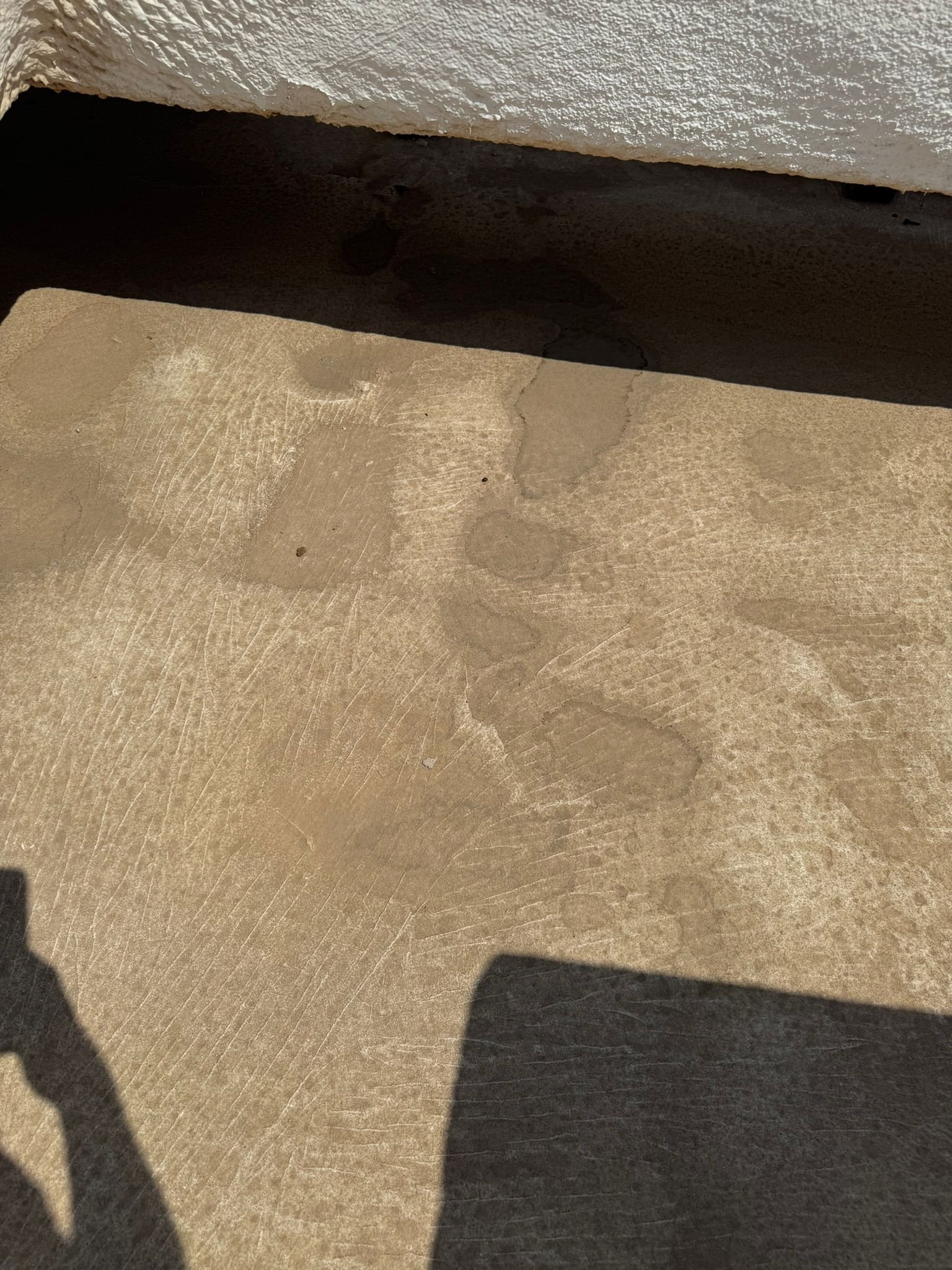
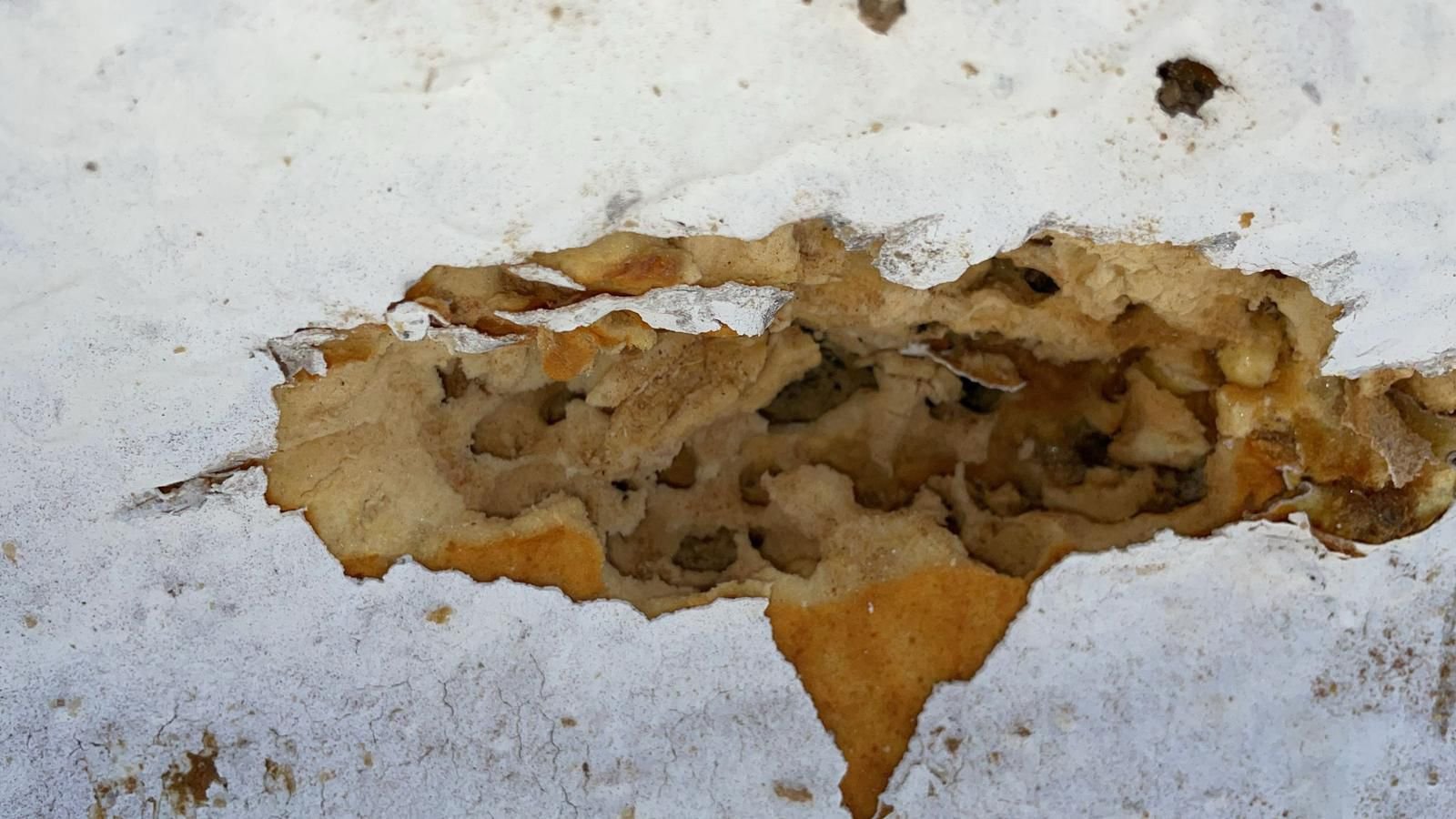
Roof-over isn’t really an option on tile, since tile isn’t installed the way shingle is. What tile roofs use instead is a reset: the existing tile is removed, new underlayment goes down, and the same tile is reinstalled. It’s a different process, but it shares the tear-off’s core advantage, full visibility of the deck and underlayment before anything is sealed back up.
When a Roof-Over Still Makes Sense
On a simple roofline, with one existing layer, decent attic ventilation, and no signs of chronic leaks or soft decking, a roof-over can still be a reasonable budget option, particularly if the homeowner doesn’t plan to stay in the home long enough to need the roof’s full lifespan.
Frequently Asked Questions About Tear-Off vs. Roof-Over
Is a roof-over cheaper than a tear-off?
Yes, typically by a few thousand dollars, since there’s no tear-off labor or disposal cost. That savings comes with a shorter lifespan and less visibility into the roof’s actual condition.
Does a roof-over void my warranty?
Often, yes, at least partially. Most manufacturers require a full tear-off for their complete warranty coverage to apply.
Can I put shingles over shingles more than once?
Usually not. Most jurisdictions cap roofing at two total layers, so an overlay uses up your last option before a tear-off becomes mandatory at the next reroof.
Does tile roofing have a roof-over option like shingle?
No. Tile uses a different process called a reset, removing the tile, replacing underlayment, and reinstalling the same tile, which shares tear-off’s advantage of full deck visibility.
Get an Honest Read on Which Option Fits Your Roof
As a local roofing company serving Scottsdale, AZ, Tip Top Roofing Service will tell you honestly whether a roof-over is a reasonable option for your roof or whether a tear-off (or tile reset) is the smarter call.
📞 Call Tip Top Roofing Service today at (480) 877-1643
📧 Email: info@tiptoproofingservice.com
🌐 Website: https://tiptoproofingservice.com/