A roof is usually the single largest line item an HOA board will ever budget for, and Arizona gives boards far less legal guardrail around it than states like California. Here’s what a board member actually needs to know to manage roof maintenance responsibly.
What Arizona Law Actually Requires (Less Than You’d Expect)
Arizona’s Planned Community Act and Condominium Act do not require an HOA to conduct a reserve study or to fund reserves to any specific level. This puts Arizona in a different position than California, which mandates reserve studies under the Davis-Stirling Act. What Arizona law does require is disclosure: under A.R.S. § 33-1806 (planned communities) and the equivalent condominium statute, the association must disclose the total reserve fund balance and provide a copy of the most recent reserve study, if one exists, to a buyer during resale. House Bill 2397, signed in June 2026 and effective September 12, 2026, expands these resale disclosure requirements and adds a damages remedy, raising the practical stakes of getting this wrong even though the underlying reserve funding still isn’t mandated by statute.
Why a Reserve Study Is Still the Right Move
Even without a legal mandate, a professional reserve study is the standard tool for planning roof-related expenses responsibly. It assesses the roof’s current condition, remaining useful life, and projected replacement cost, then tells the board how much to set aside annually to be fully funded by the time replacement is actually needed. Many Arizona CC&Rs require a reserve study even though state law doesn’t, so checking your community’s governing documents is the first step, not an assumption either way.
Operating Budget vs. Reserve Fund: Know the Difference
The operating budget covers routine maintenance, patching a few tiles, clearing debris, minor repairs. The reserve fund covers the eventual full replacement. Confusing the two is one of the most common board mistakes, and it’s what leads to underfunded reserves and surprise special assessments when the roof’s actual end-of-life arrives.
Understanding “Percent Funded”
A reserve study will typically report a percent-funded figure for the roof component: how much is currently saved relative to what should be saved at this point in the roof’s life cycle. A roof with $50,000 saved against a $100,000 projected replacement cost, at the point where it should be halfway funded, is 100% on track. Falling meaningfully behind that curve is the clearest early warning sign a board has.
Building an Actual Roof Maintenance Plan
- Schedule regular professional inspections, at minimum annually, and after any significant monsoon event, not just when a leak is reported.
- Keep inspection reports on file as the documentation basis for both reserve planning and future resale disclosures.
- Separate routine maintenance costs from reserve-eligible replacement costs in the annual budget, consistently, not case by case.
- Revisit the reserve study every 3 to 5 years, considered best practice even without a legal requirement, since material costs and the roof’s actual condition both change.
- Document funding decisions in board minutes each budget season, whether the board funds at, above, or below the study’s recommendation, since that record matters for both fiduciary duty and future disclosure obligations.
Fiduciary Duty Fills the Gap Arizona Law Leaves Open
Because Arizona doesn’t mandate reserve funding, board members’ fiduciary duty to the association becomes the operative standard instead. A board that ignores a reserve study’s roof recommendations entirely, with no documented rationale, carries more personal and association liability than one that makes a deliberate, recorded funding decision, even if that decision is to fund below the study’s suggested level for a specific, stated reason.
Frequently Asked Questions About HOA Roof Maintenance Plans in Arizona
Does Arizona law require our HOA to have a roof reserve fund?
No. Arizona’s Planned Community Act and Condominium Act do not mandate reserve funding or reserve studies. The law does require disclosing the reserve balance and any existing reserve study to buyers at resale.
What changed with HB 2397?
Effective September 12, 2026, HB 2397 expands the resale disclosure requirements around reserves and adds a damages remedy, increasing the practical consequences of poor reserve documentation even though the underlying funding mandate hasn’t changed.
What does “percent funded” mean in a reserve study?
It’s the ratio of what’s currently saved for a component like the roof against what should be saved at this point in its life cycle. Falling significantly below that benchmark is an early warning sign for the board.
Should our board get a reserve study even though Arizona doesn’t require one?
Yes, it’s considered best practice and is often required by individual CC&Rs regardless of state law. It’s also the clearest way to document a defensible, fiduciarily sound funding decision.
Give Your Board Real Inspection Data to Plan Around
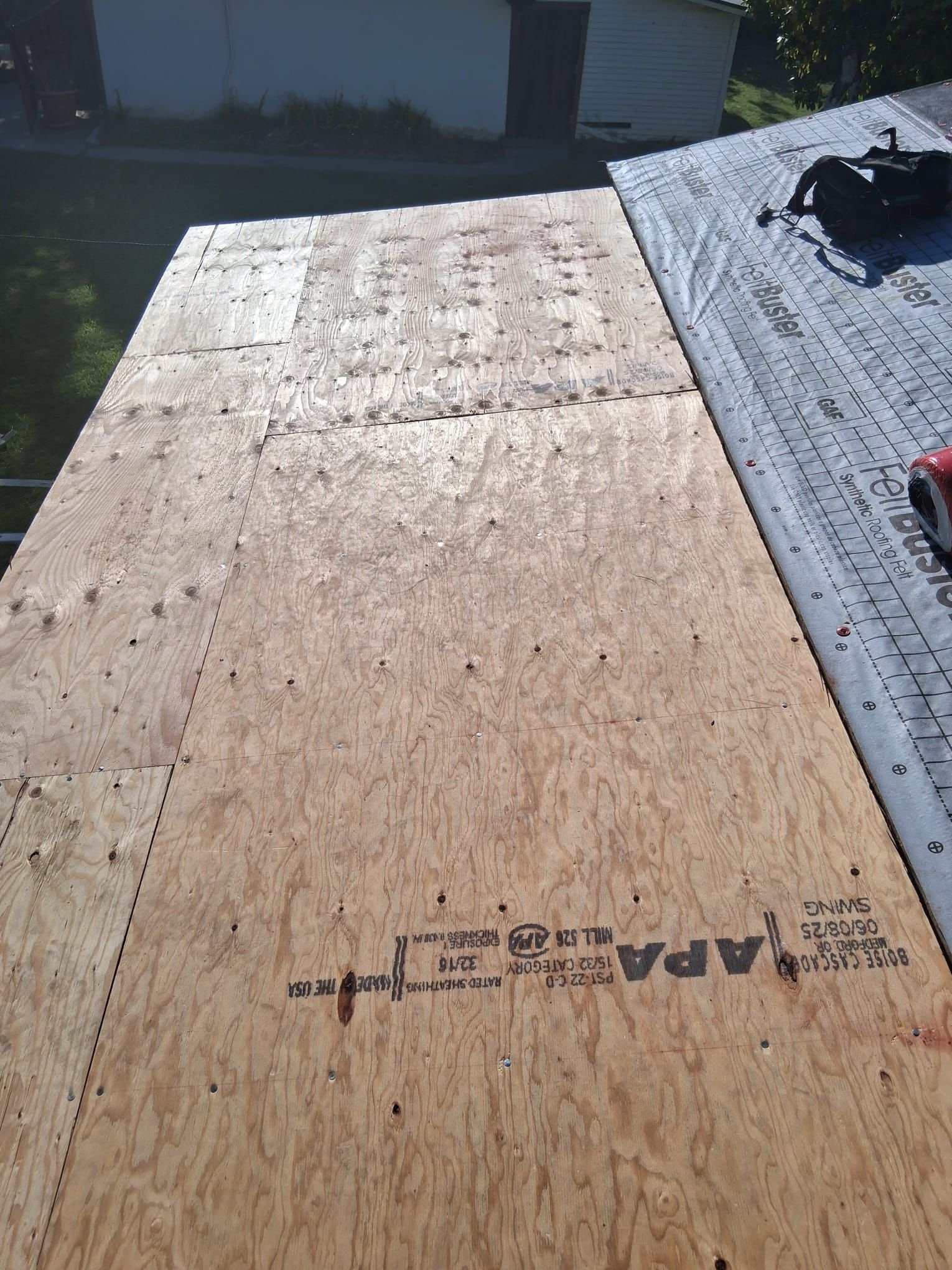
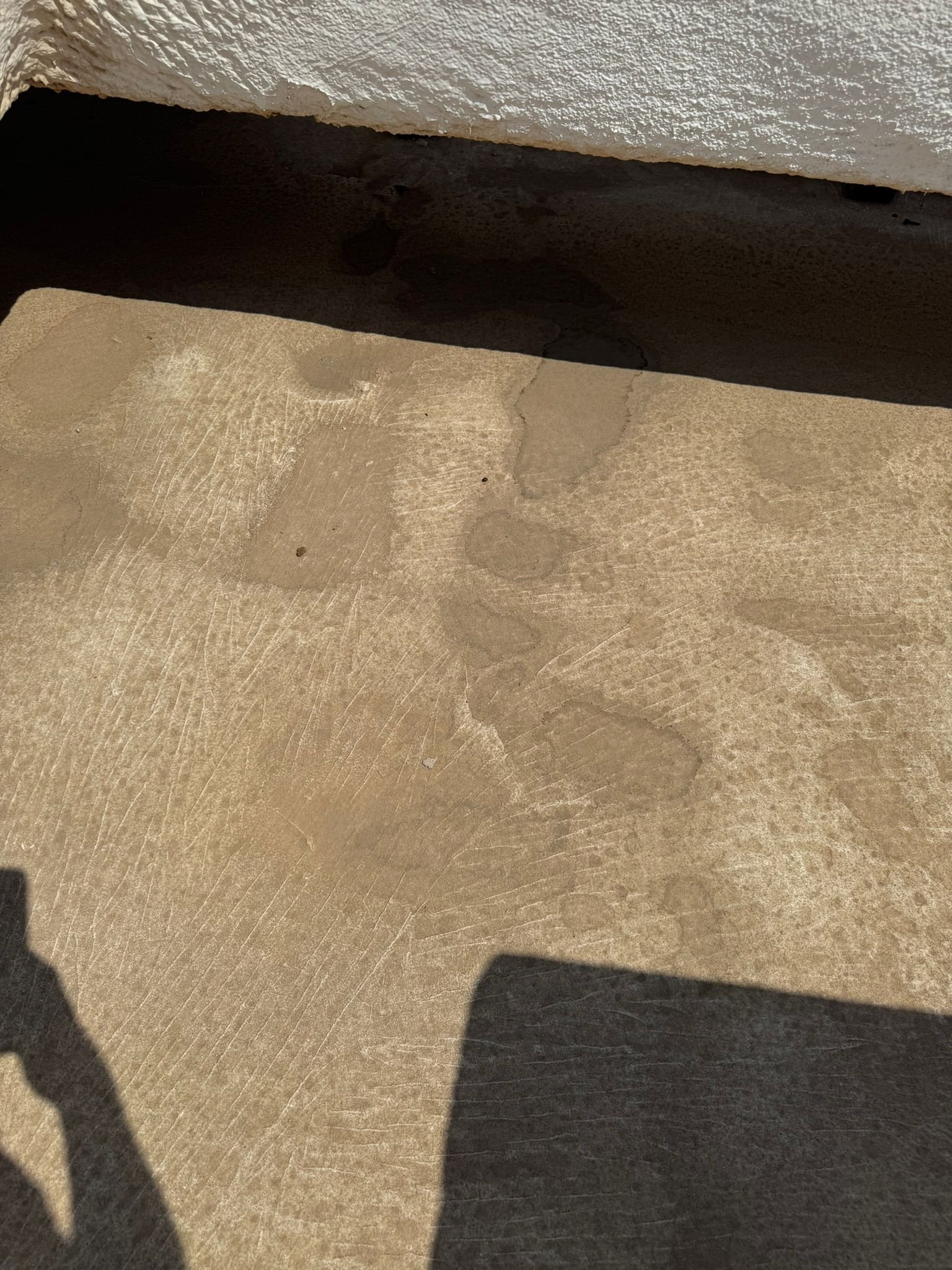
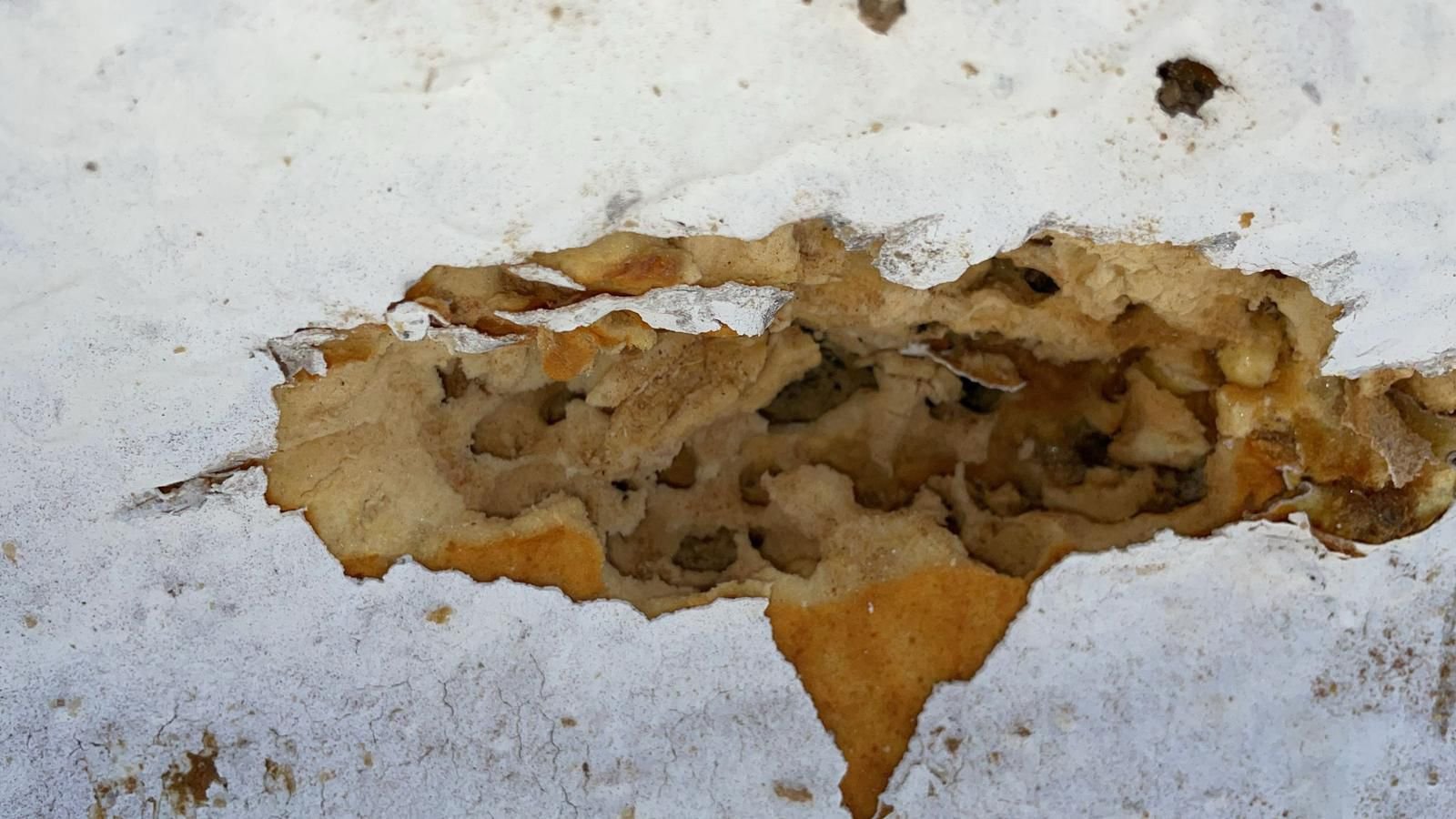
As a local roofing company serving Scottsdale, AZ, Tip Top Roofing Service provides HOA boards with documented, photo-backed roof inspections that feed directly into reserve planning, not just a quick visual check.
📞 Call Tip Top Roofing Service today at (480) 877-1643
📧 Email: info@tiptoproofingservice.com
🌐 Website: https://tiptoproofingservice.com/