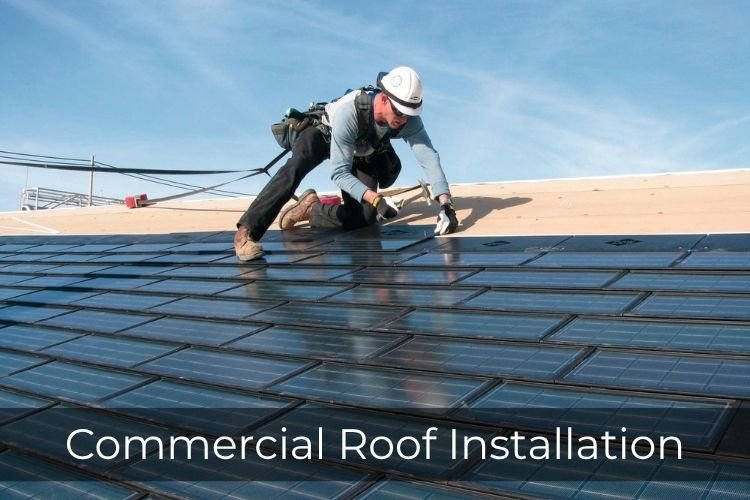
Commercial and residential roofing share a purpose but almost nothing else. Different slope, different materials, different installation process, and a different scale of what goes wrong when something fails. Here’s what actually separates them.
Design and Slope
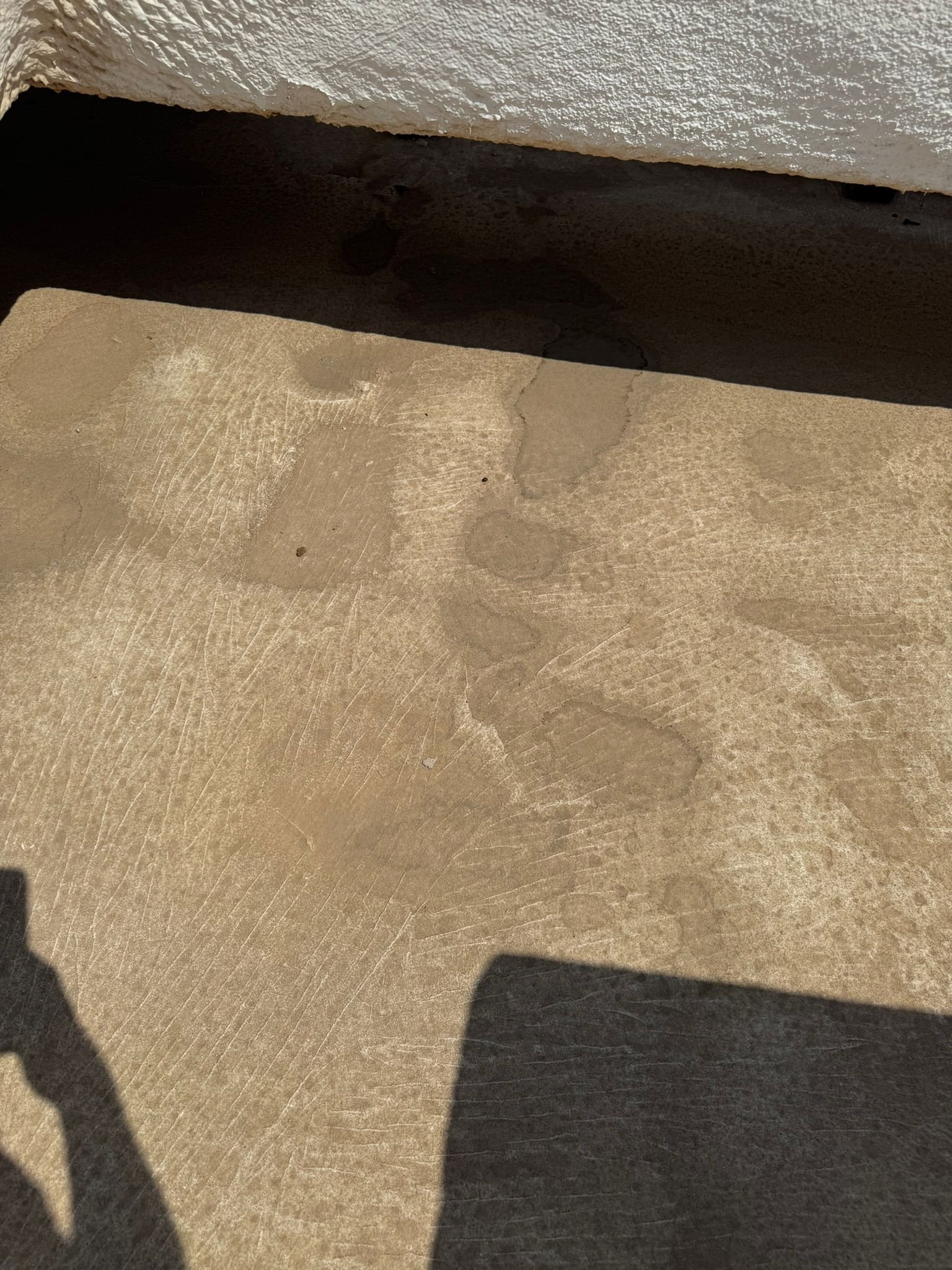
Residential roofs are typically steep-pitched, shedding water naturally the way an umbrella does. Commercial roofs are usually flat or low-slope to accommodate HVAC units, skylights, and rooftop equipment across a much larger surface, which means they function more like a shallow basin that has to be engineered to drain properly rather than relying on gravity alone.
Materials
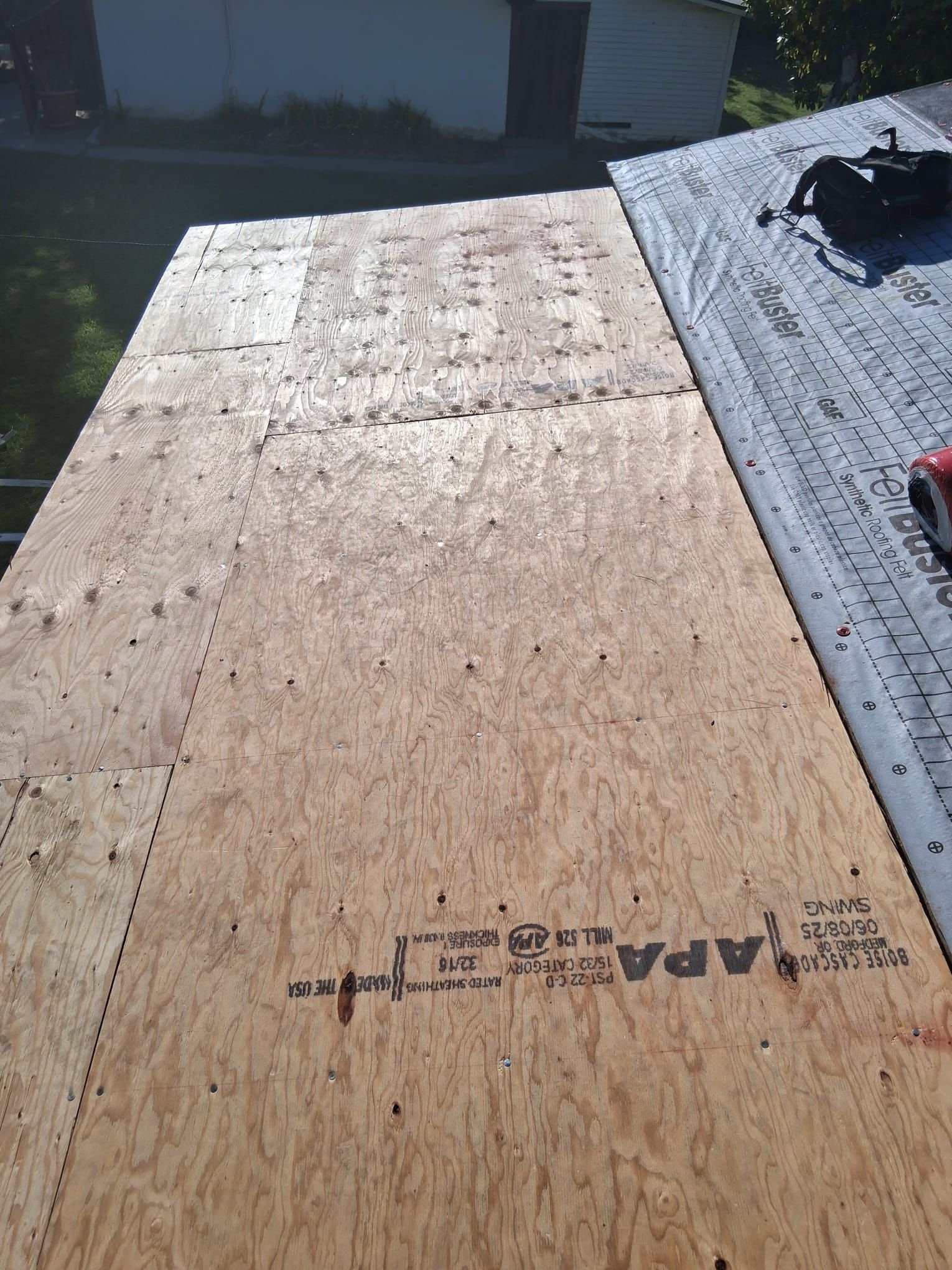
Residential roofing commonly uses asphalt shingle, tile, metal, or wood shake, chosen partly for appearance as well as performance. Commercial roofing relies on materials built for large flat surfaces: TPO, PVC, EPDM, modified bitumen, and built-up roofing systems, layered with insulation and protective coatings rather than a single visible surface material.
Installation Scale and Timeline
A residential roof typically installs in a few days using tools that fit on a tool belt. A commercial roof can take weeks, involves specialized equipment, multiple material layers, and coordination that residential jobs simply don’t require, driven mostly by sheer size and system complexity rather than difficulty of any single step.
Maintenance and Repair
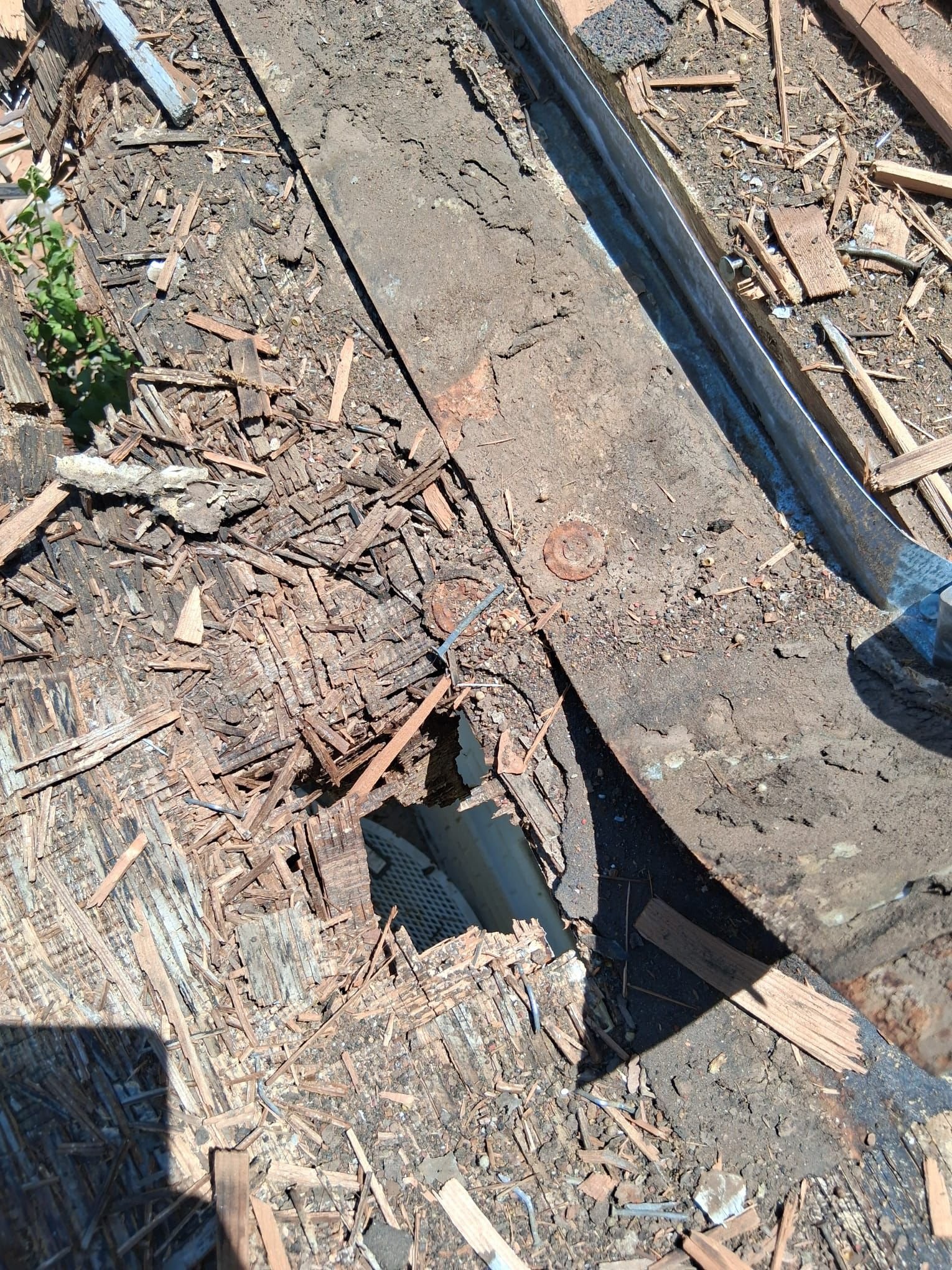
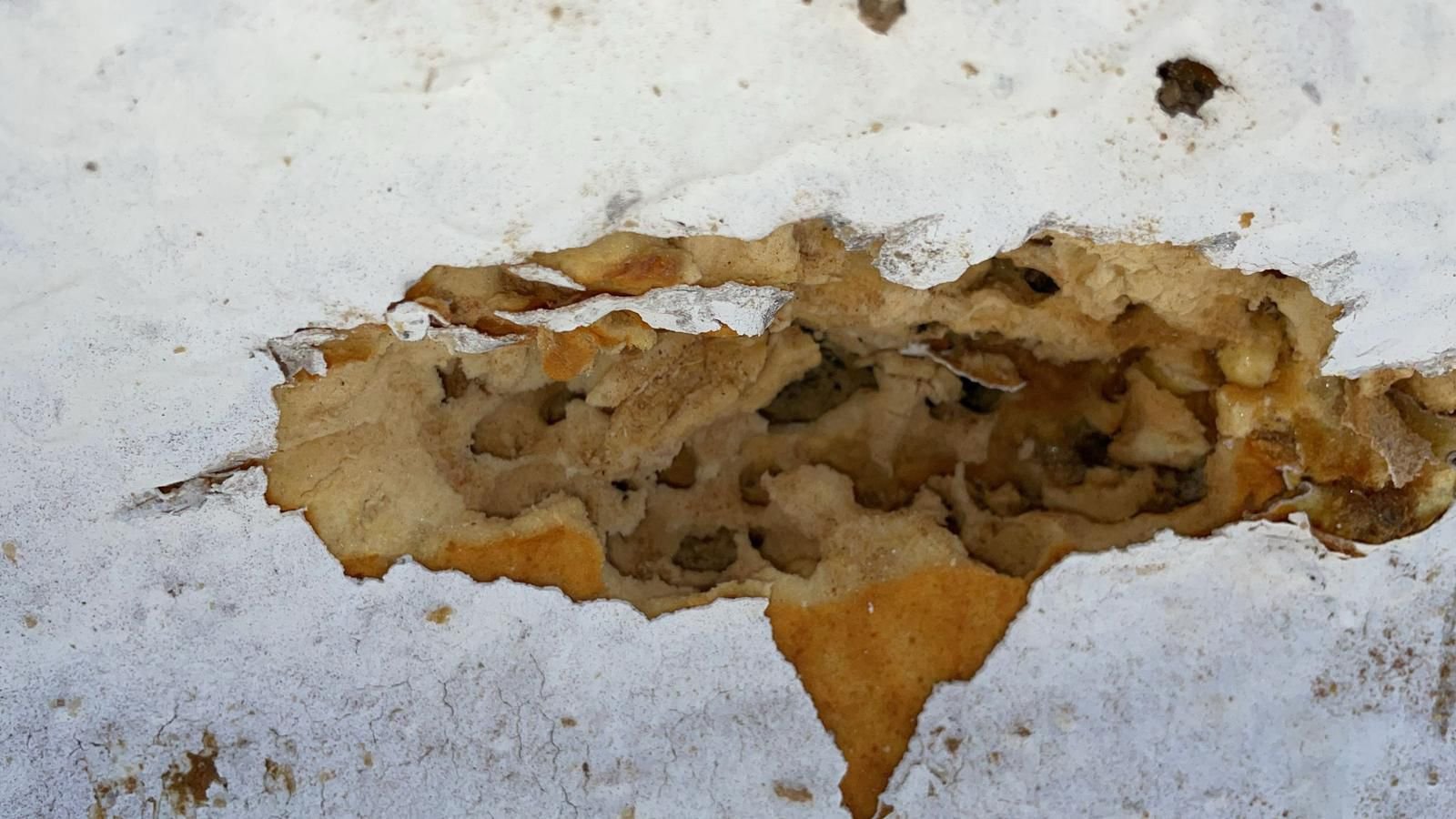
Residential roof damage is usually visible from the ground, missing shingles or an obvious leak, and repairs are often a same-day fix. Commercial flat roofs are prone to ponding water, membrane seam issues, and damage from rooftop equipment traffic, and diagnosing a leak often requires evaluating a larger section of the system rather than a single obvious spot.
Why the Skill Sets Don’t Fully Overlap
A roofer skilled at residential shingle or tile work isn’t automatically equipped for commercial membrane systems, and the reverse is also true. The materials, installation techniques, and code requirements are different enough that experience in one doesn’t transfer cleanly to the other, which is worth confirming when hiring for either type of project.
Frequently Asked Questions About Commercial vs. Residential Roofing
What’s the biggest difference between commercial and residential roofing?
Slope and scale. Residential roofs are typically steep-pitched and small; commercial roofs are usually flat or low-slope and much larger, which drives nearly every other difference in materials and installation.
Can a residential roofer install a commercial roof?
Not reliably. Commercial membrane systems require different materials, tools, and installation techniques than residential shingle or tile work, so experience in one doesn’t automatically transfer to the other.
Why do commercial roofs need special drainage?
Their flat or low-slope design means water doesn’t shed naturally the way it does on a pitched residential roof, so drainage has to be engineered into the system to prevent ponding.
Are commercial roof repairs more complex than residential ones?
Often, yes. A residential leak is typically isolated and visible; a commercial leak may require evaluating a larger section of a layered membrane system to find the actual source.
Get the Right Expertise for Your Roof Type
As a local roofing company serving Scottsdale, AZ, Tip Top Roofing Service handles both residential and commercial roofing, with the right materials and process for each.
📞 Call Tip Top Roofing Service today at (480) 877-1643
📧 Email: info@tiptoproofingservice.com
🌐 Website: https://tiptoproofingservice.com/