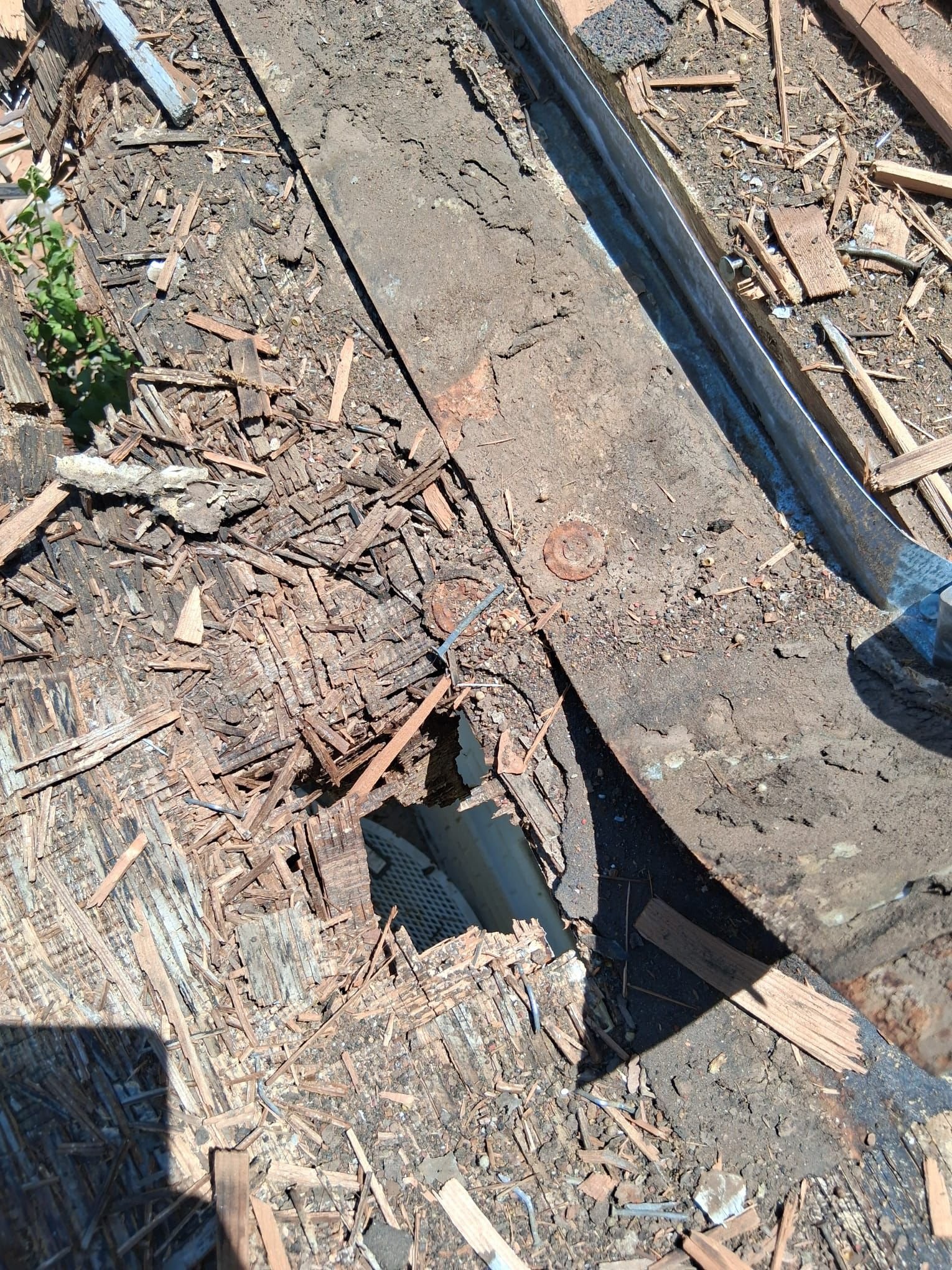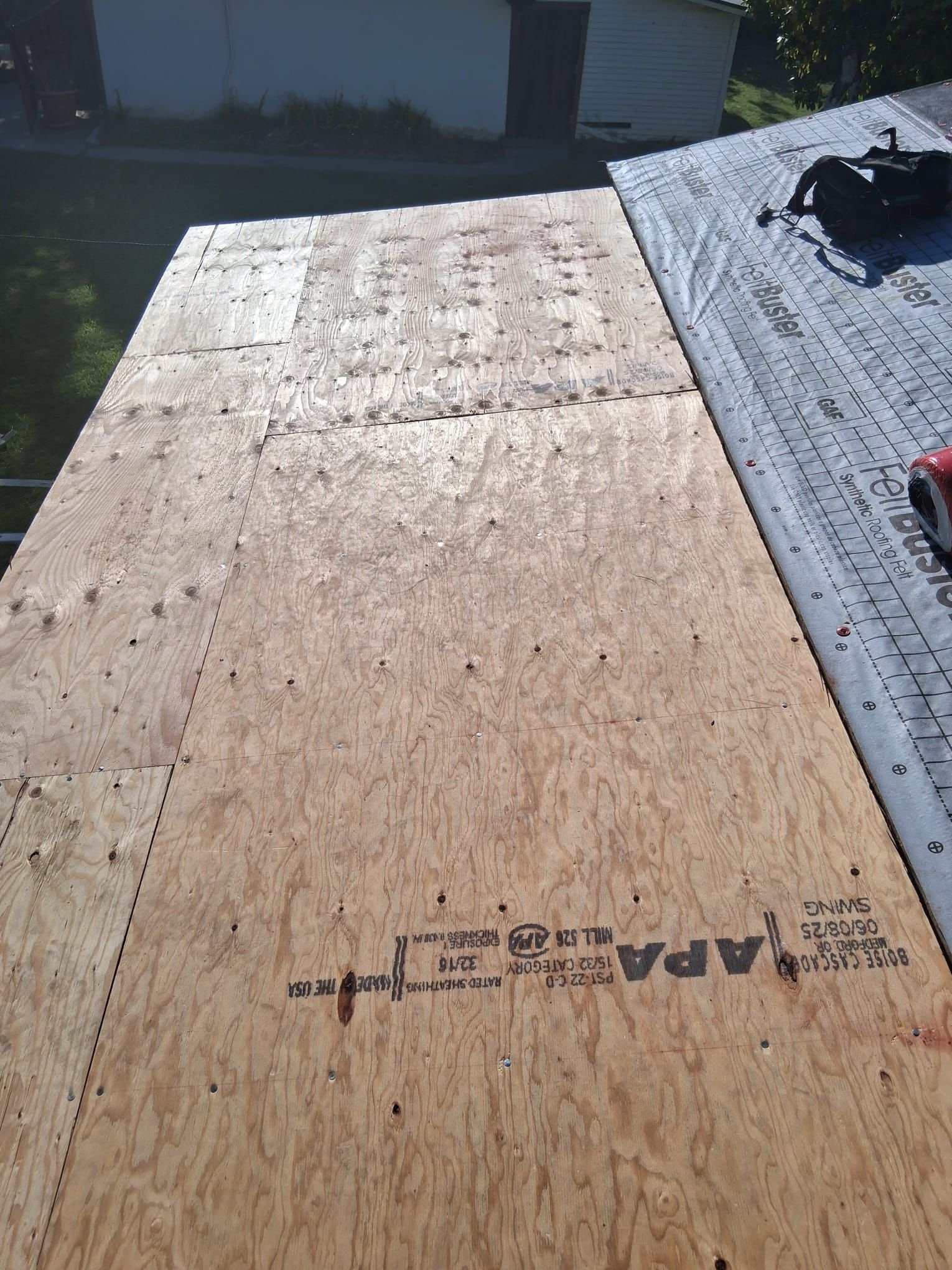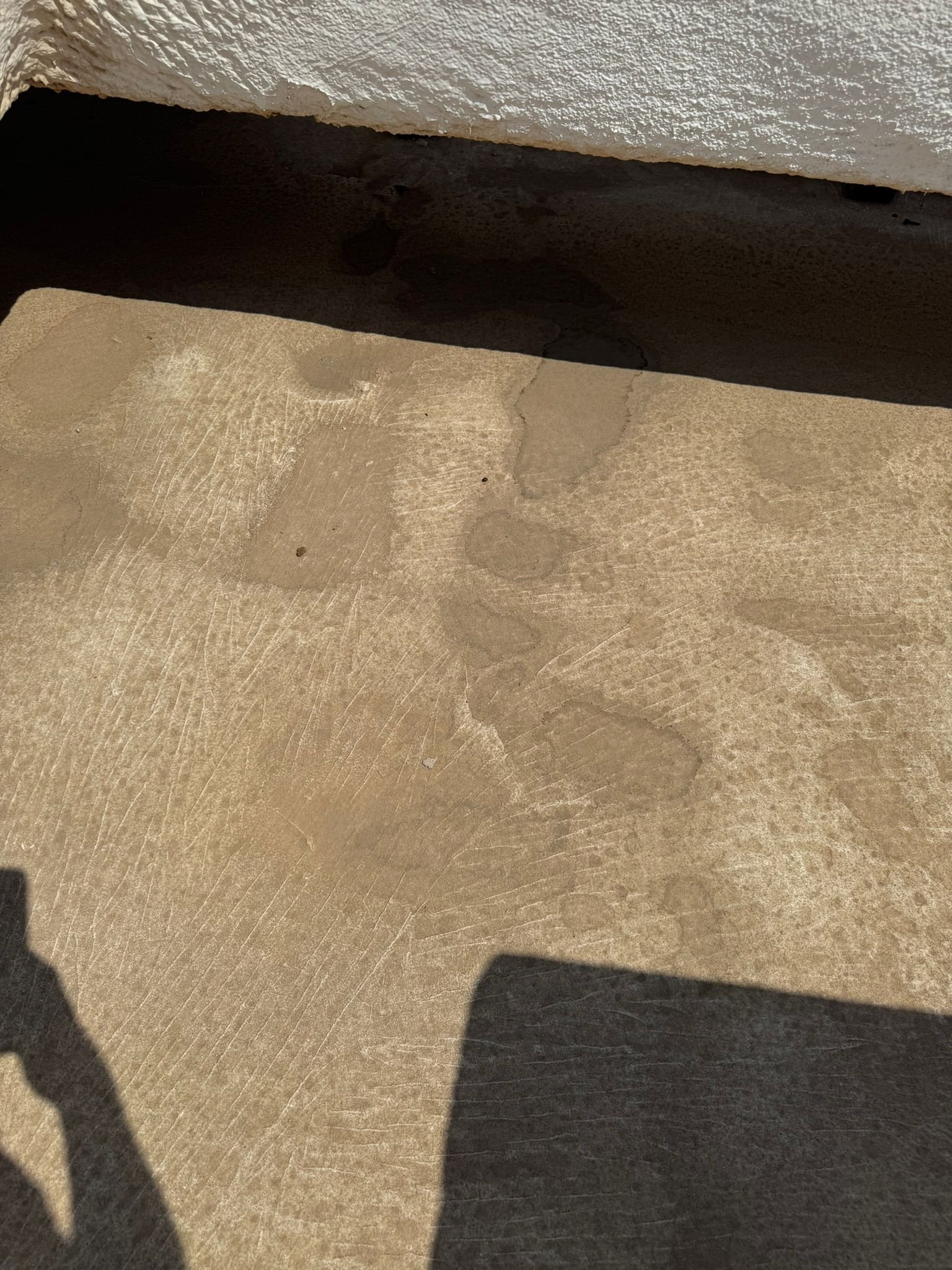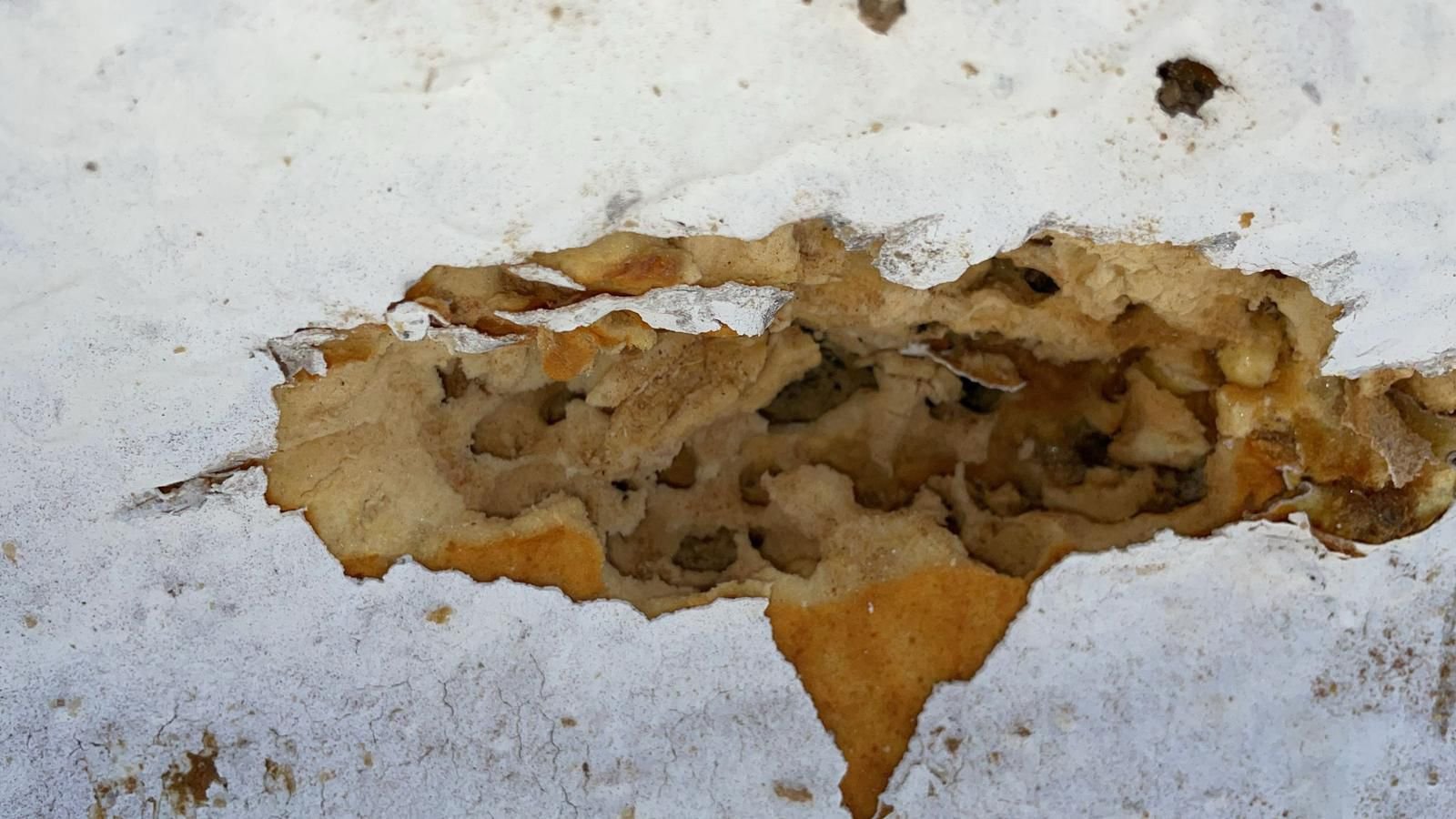
Roof replacement can technically happen year-round in Arizona, but the season you pick changes material performance, safety, scheduling, and sometimes price. Here’s how each part of the year actually stacks up for a Scottsdale reroof.
Fall (October Through December): The Best Overall Window
By fall, the extreme summer heat has broken and monsoon season is over. Daytime temperatures typically run in the 60s to 80s, which is close to ideal for shingle and adhesive curing, and safe for crews working a full day on the roof. The tradeoff is availability: fall is a popular window, so scheduling ahead matters more than at other times of year.
Winter (January Through March): Mild and Wide Open
Winter brings mild weather and Arizona’s lowest demand for roofing work, which usually means the most scheduling flexibility and, in some cases, better material pricing. There’s no snow risk to plan around, which is a real advantage over most other U.S. markets doing winter reroofs.
Spring (April Through Early June): A Solid Second Choice
Spring temperatures are rising but haven’t hit peak summer extremes yet, making it a workable window before the heat and before monsoon season arrives in July. Spring is also when a pre-monsoon inspection typically happens, so scheduling replacement work here lines up naturally with that seasonal check.
Summer (June Through September): The Window to Avoid
Summer combines two problems at once. Extreme heat, with surface roof temperatures reaching 150 to 170 degrees, can cause shingles to blister and underlayment adhesives to degrade faster during installation, and it creates real heat-safety risk for crews. Then monsoon season overlaps directly with it: Scottsdale averages more than 25 days of measurable rainfall between July and September, and wet shingles won’t adhere properly until fully dry, which can delay a project mid-installation or compromise the seal if work isn’t timed carefully.
The One Exception: Emergency Replacement
None of this applies to storm-damage or emergency situations. A compromised roof during monsoon season needs immediate attention regardless of season, since the ongoing exposure risk outweighs the installation-quality tradeoffs of working in less-than-ideal conditions.
Frequently Asked Questions About Roof Replacement Timing in Arizona
What’s the best month to replace a roof in Scottsdale?
Fall, roughly October through December, offers the best combination of mild temperatures, good adhesive curing conditions, and no monsoon risk, though it’s also a popular window so scheduling ahead matters.
Why should I avoid replacing my roof in summer?
Extreme heat can cause shingles to blister and underlayment adhesive to degrade during installation, and monsoon rain between July and September can delay work or compromise adhesion if the roof isn’t fully dry.
Is winter a good time to replace a roof in Arizona?
Yes. Arizona’s mild winters and lower seasonal demand for roofing work often mean more scheduling flexibility and, in some cases, better material pricing, with no snow risk to plan around.
What if my roof is damaged during monsoon season?
Emergency replacement should happen immediately regardless of season. The risk of ongoing exposure outweighs the installation-quality tradeoffs of working in monsoon conditions.
Plan Your Replacement Around the Right Window
As a local roofing company serving Scottsdale, AZ, Tip Top Roofing Service can help you schedule replacement for the season that works best for your roof and your timeline, including emergency response when it can’t wait for ideal conditions.
📞 Call Tip Top Roofing Service today at (480) 877-1643
📧 Email: info@tiptoproofingservice.com
🌐 Website: https://tiptoproofingservice.com/