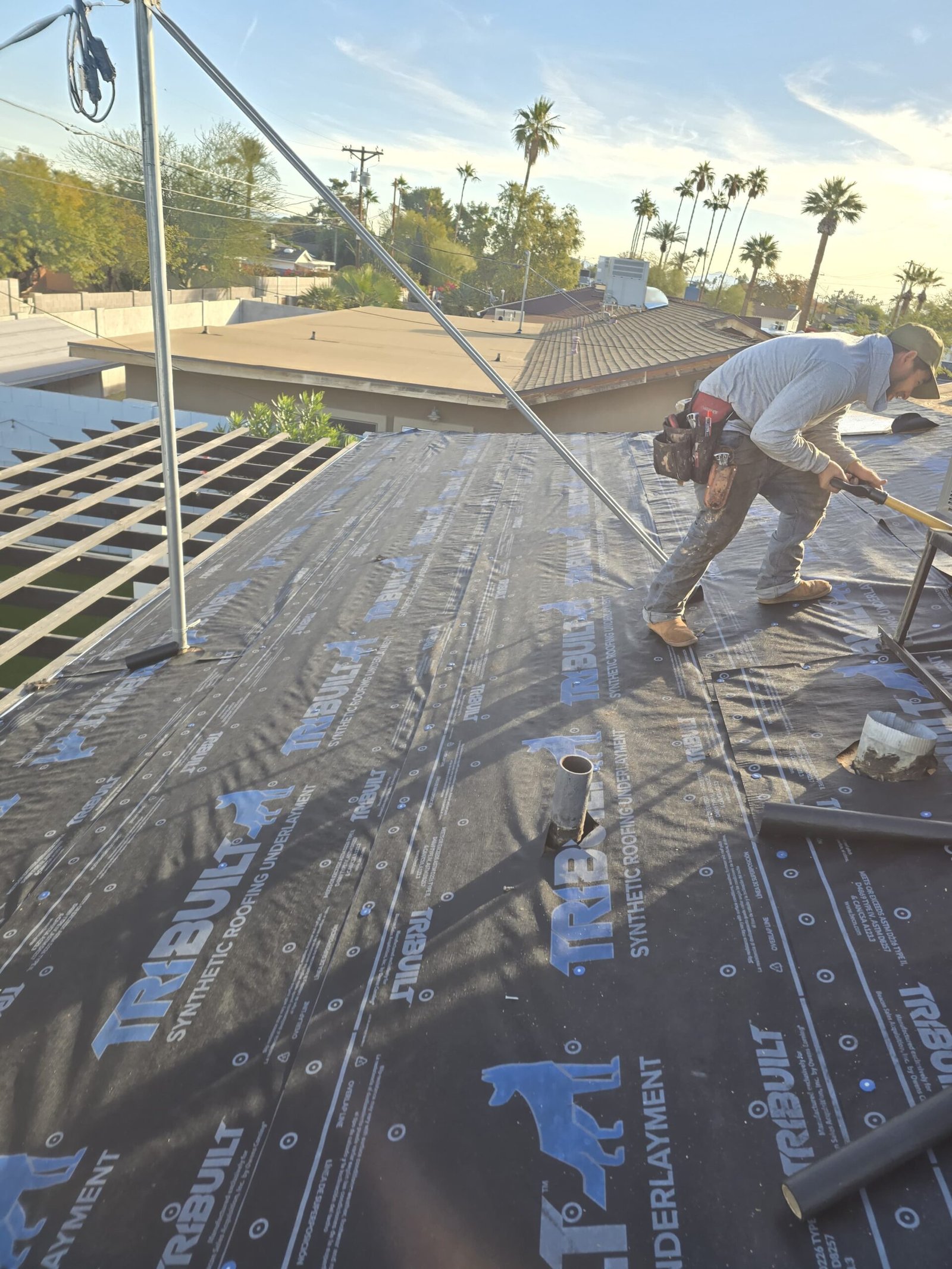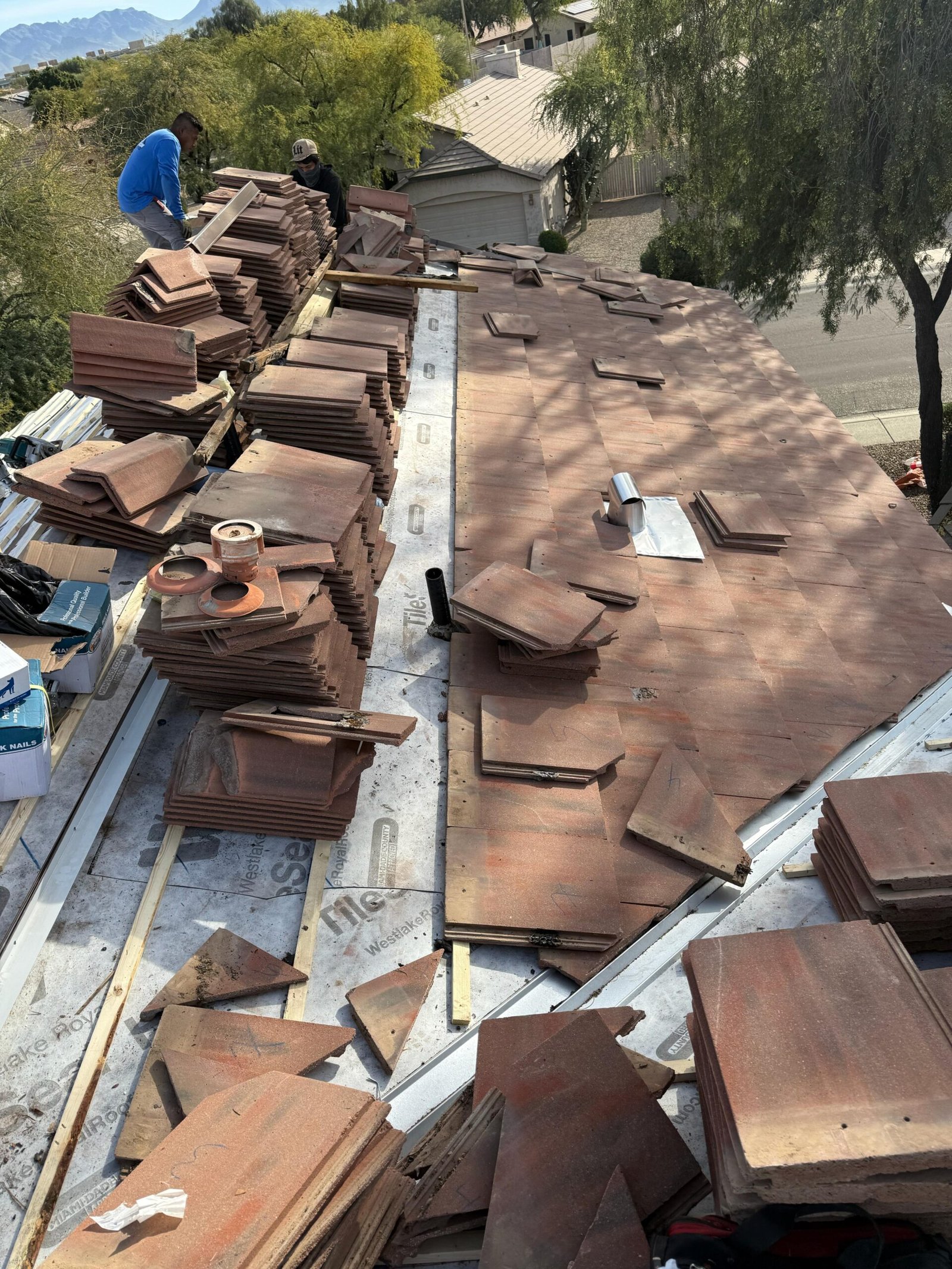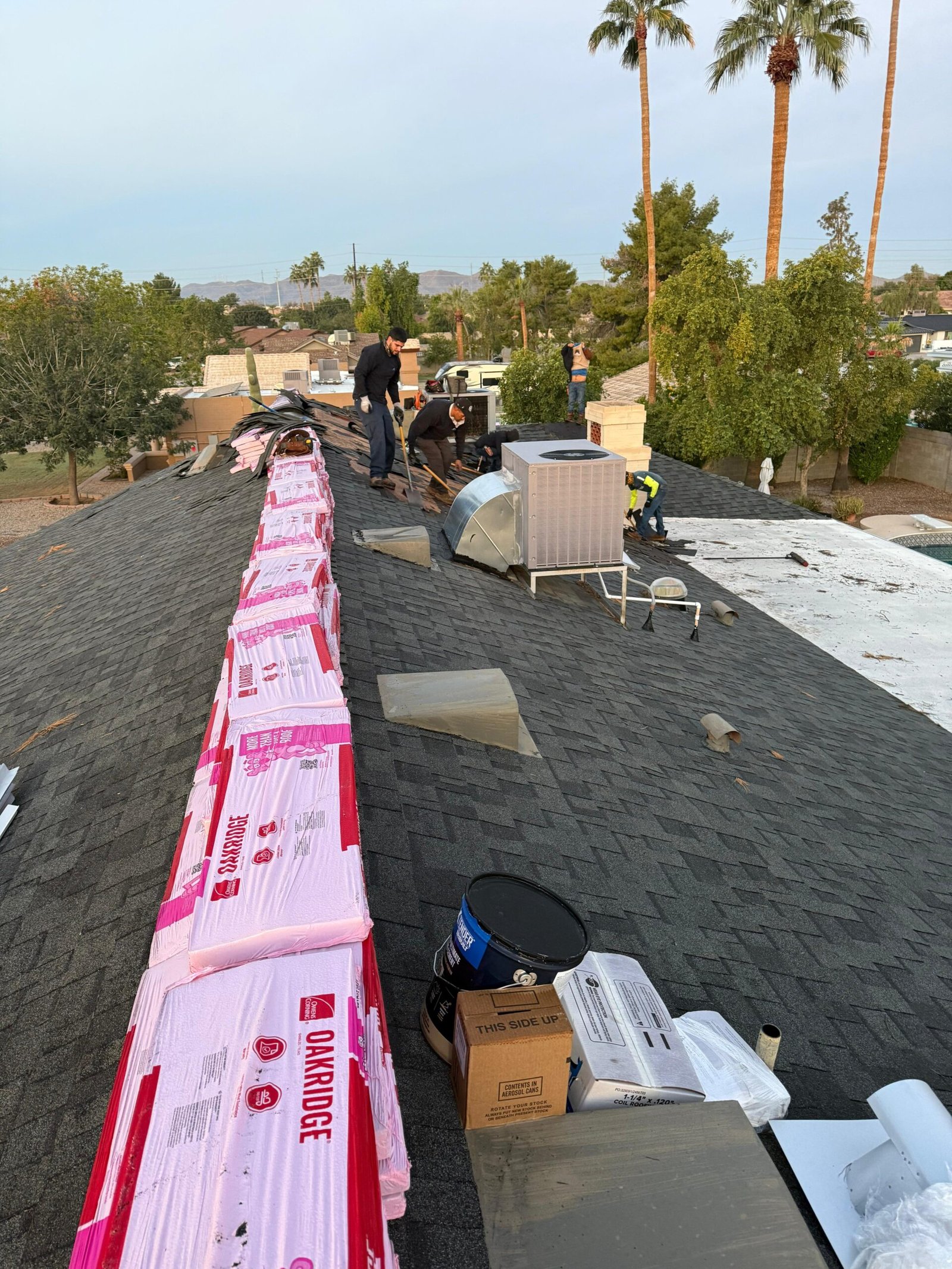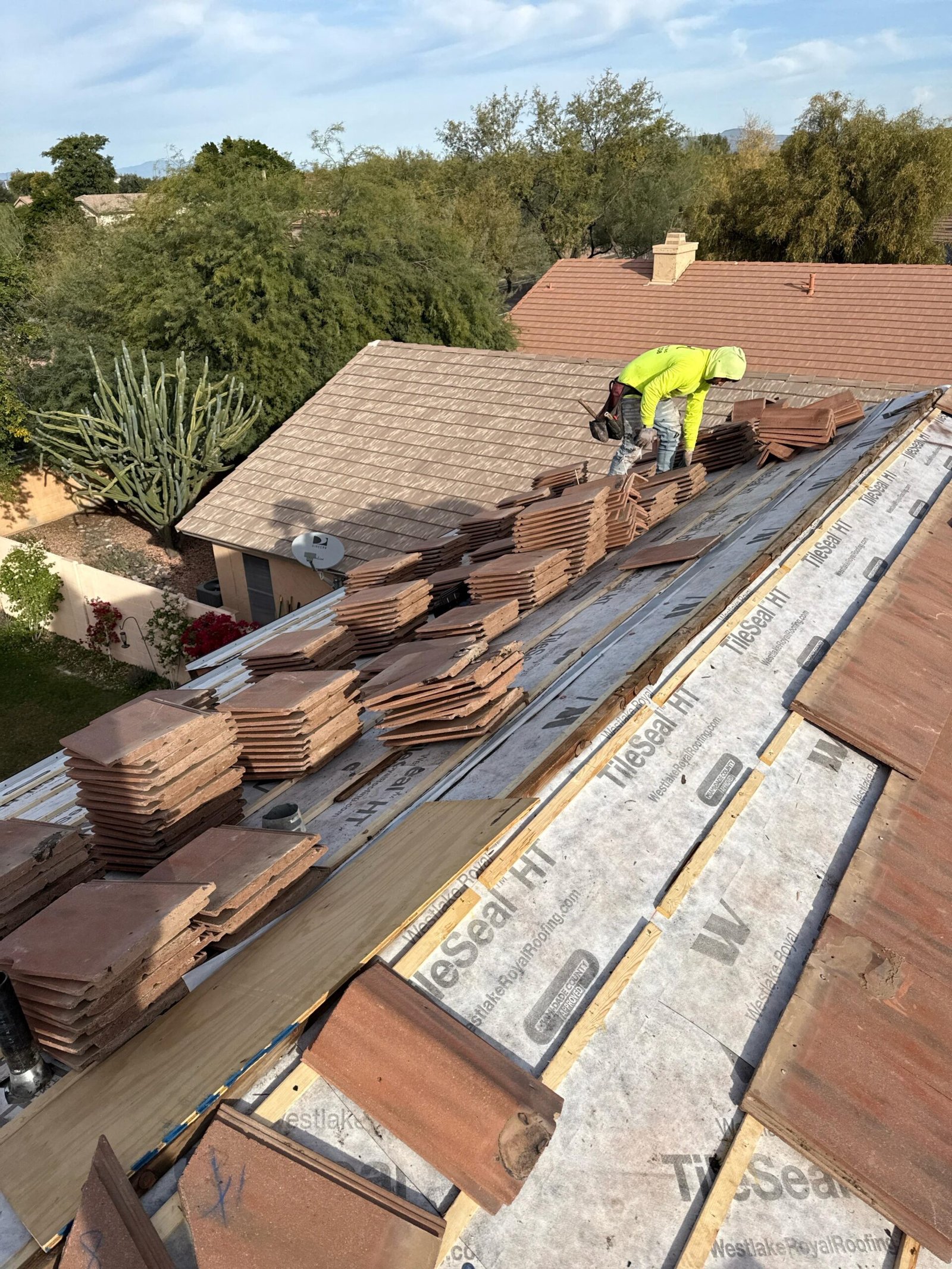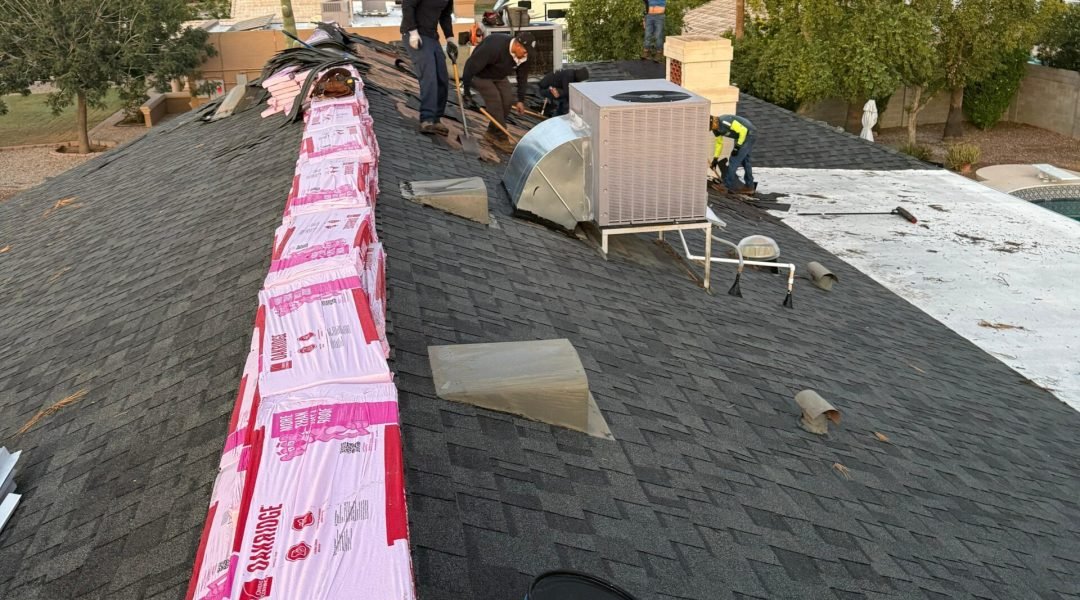
Phoenix is not one roofing market — it is many.
A home in Arcadia has different roofing needs than a home in Ahwatukee. A mid-century ranch in the Biltmore area presents different challenges than a new-build in North Phoenix or a stucco contemporary in Laveen. Housing stock, HOA requirements, neighborhood aesthetics, terrain, and exposure all vary significantly across Phoenix’s sprawling geography — and the right roofing approach reflects those differences.
At Tip Top Roofing Service, we work across all of Phoenix’s major neighborhoods. This guide is designed to give Phoenix homeowners specific, neighborhood-level context for their roofing decisions.
Arcadia — Premium Homes, Mature Trees, and Complex Rooflines
Arcadia is one of Phoenix’s most desirable neighborhoods, characterized by large ranch-style homes on generous lots, mature citrus and palm trees, and a strong community aesthetic that emphasizes well-maintained exteriors. Roofing in Arcadia carries particular considerations.
Typical roofing style: Many Arcadia homes feature low-slope or ranch-style rooflines with either flat sections, concrete tile, or legacy asphalt shingles. The neighborhood’s older housing stock — many homes date from the 1950s through 1970s — means that a significant proportion of properties are due for replacement rather than repair.
Key challenges: Mature tree canopy in Arcadia deposits organic debris — citrus leaves, palm fronds, seed pods — into valleys and gutters at a higher rate than in newer, tree-sparse neighborhoods. This debris traps moisture and accelerates deterioration of roofing material around valleys and penetrations. Regular maintenance and annual inspection are particularly important here.
What homeowners should know: If you are replacing the roof on an Arcadia home with a flat or low-slope section, you will likely need a combination of systems — tile or shingles for the pitched areas and a flat roofing membrane (TPO or modified bitumen) for the flat sections. An experienced contractor will properly address both within a single project.
Ahwatukee — Suburban Scale, Desert Exposure, and Tile Dominance
Ahwatukee, situated at the base of South Mountain, is one of Phoenix’s largest suburban communities. Developed predominantly in the 1980s through 2000s, Ahwatukee homes are characterized by large footprints, concrete tile roofing, and exposure to the intense sun and thermal cycling of the South Mountain corridor.
Typical roofing style: Concrete tile is overwhelmingly dominant in Ahwatukee, reflecting the era in which most of the community was built. HOA standards in most Ahwatukee neighborhoods enforce tile materials and restrict color options.
Key challenges: Homes in Ahwatukee built in the 1980s and early 1990s are now reaching or exceeding the end of their original tile roof’s effective service life. The underlayment beneath the tile — which provides the actual waterproofing barrier — degrades faster than the tile itself. Many homes in Ahwatukee show intact-looking tile on the outside while the underlayment has deteriorated to the point where it no longer provides adequate protection.
What homeowners should know: An Ahwatukee homeowner with a roof installed before 2000 should prioritize a professional inspection. The visual appearance of the tile from the ground is not a reliable indicator of underlayment condition. A qualified contractor will inspect the underlayment — and in many cases, a “re-roof” involves retaining existing tile while replacing the underlayment beneath it, which is significantly less expensive than full tile replacement.
Biltmore Area — Upscale Architecture Demands Upscale Execution
The Biltmore corridor — encompassing the neighborhoods surrounding the Arizona Biltmore resort — contains some of Phoenix’s most architecturally significant residential properties. Homes here range from mid-century modern estates to newer luxury construction, and roofing must meet both aesthetic and performance standards that reflect the neighborhood’s premium character.
Typical roofing style: Clay tile, concrete tile, and standing seam metal are all found throughout the Biltmore area. Contemporary homes increasingly favor metal roofing for its clean lines and longevity.
Key challenges: The architectural complexity of many Biltmore homes — multiple roof planes, integrated skylights, custom flashing requirements — demands a contractor with demonstrable experience on complex residential projects. This is not a neighborhood for general contractors who occasionally do roofing work.
What homeowners should know: When selecting a contractor for a Biltmore-area property, prioritize documented experience on premium homes, verifiable references from comparable projects, and the willingness to provide detailed written documentation at every stage of the process.
North Phoenix — New Construction, Fast Growth, and Emerging Maintenance Needs
North Phoenix — including areas such as Desert Ridge, Norterra, and the 85024, 85085, and 85086 zip codes — is defined by newer construction, master-planned communities, and large HOA-governed developments. Most homes in North Phoenix were built in the 2000s through 2020s, meaning many are approaching their first significant roofing maintenance or replacement cycle.
Typical roofing style: Concrete tile is standard throughout most North Phoenix HOA communities. Asphalt shingles are found in some subdivisions.
Key challenges: North Phoenix sits in one of the Phoenix Metro’s primary hail corridors. The area receives more hail-producing storm events than many parts of the valley, which means that hail damage to tile and shingles is a recurring issue. After any significant storm, North Phoenix homeowners should have their roof inspected — hail damage to tile can be invisible from the ground but creates fracture points that allow water infiltration over time.
What homeowners should know: Many North Phoenix homeowners are not aware that their roof may be eligible for an insurance-covered replacement after hail damage. Document any storm events, have the roof inspected promptly, and do not allow time to pass — most insurance policies have claim filing windows that begin the day of the storm.
Central Phoenix — Mixed Stock, Flat Roofs, and Vintage Homes
Central Phoenix covers a wide variety of housing stock — craftsman bungalows, 1950s ranch homes, historic districts, and mid-century apartment buildings. Flat and low-slope roofing is significantly more prevalent in central Phoenix than in the suburbs.
Typical roofing style: A mix of flat roofing (foam, TPO, modified bitumen), legacy shingles on older homes, and concrete tile on newer construction within the same area.
Key challenges: Flat roofing requires fundamentally different maintenance practices than sloped roofing. Standing water — even temporary — on a flat roof that has deteriorated coating or membrane is a serious risk. Central Phoenix homeowners with flat roofs should inspect drainage paths and ponding areas after each monsoon storm.
What homeowners should know: Flat roof foam coatings that have not been recoated within the manufacturer’s recommended interval (typically 5–10 years) lose their reflective and waterproofing properties. A qualified contractor can assess whether your existing foam roof needs recoating or full replacement.
West Phoenix and Laveen — Value Market, High Heat, and Functional Roofing Priorities
West Phoenix and Laveen represent some of the Phoenix Metro’s fastest-growing residential areas, with newer developments at accessible price points and a practical, function-first approach to home construction. Roofing in these areas needs to balance cost efficiency with performance in one of the hottest microclimates in the valley.
Typical roofing style: Concrete tile and asphalt shingles in roughly equal proportion, with TPO flat roofing common on commercial-adjacent properties.
Key challenges: West Phoenix experiences some of the Phoenix Metro’s highest daytime temperatures, with summer highs regularly exceeding the urban average due to lower elevation, more impervious surface, and less tree canopy. UV and heat degradation of roofing materials is accelerated here. Homeowners should prioritize materials with strong heat-resistance ratings and high reflectivity when replacing their roof.
What homeowners should know: Energy-efficient roofing choices — high-reflectivity shingles, light-colored tile, or metal roofing — can meaningfully reduce cooling costs in West Phoenix’s climate. Ask your contractor about Energy Star-rated roofing products when reviewing your options.
What All Phoenix Neighborhoods Have in Common: The Monsoon Risk
Regardless of the neighborhood, every Phoenix homeowner shares one universal roofing risk: Arizona’s monsoon season. From June through September, the Phoenix Metro experiences severe convective storms bringing wind gusts regularly exceeding 60 mph, driving rain that tests every seal and flashing detail, and — in some years — hail.
The most effective protection against monsoon damage is pre-season preparation: a professional roof inspection in May or early June that identifies and addresses vulnerable areas before the storms arrive. This is true in Arcadia, Ahwatukee, North Phoenix, and everywhere in between.
Tip Top Roofing Service Serves All of Phoenix
Whether your home is in Arcadia, Ahwatukee, North Phoenix, the Biltmore corridor, or anywhere across the Phoenix Metro, Tip Top Roofing Service provides professional roof inspection, repair, and replacement services backed by our Arizona ROC license, GAF certification, and 100+ five-star reviews.
Call us at (480) 877-1643 or visit tiptoproofingservice.com to schedule your free inspection. We also serve Scottsdale, Tempe, Fountain Hills, and Paradise Valley.
Tip Top Roofing Service
Licensed & Insured | ROC #355034 | GAF Certified Contractor
6830 E 5th Ave #205, Scottsdale, AZ 85251
(480) 877-1643 | tiptoproofingservice.com