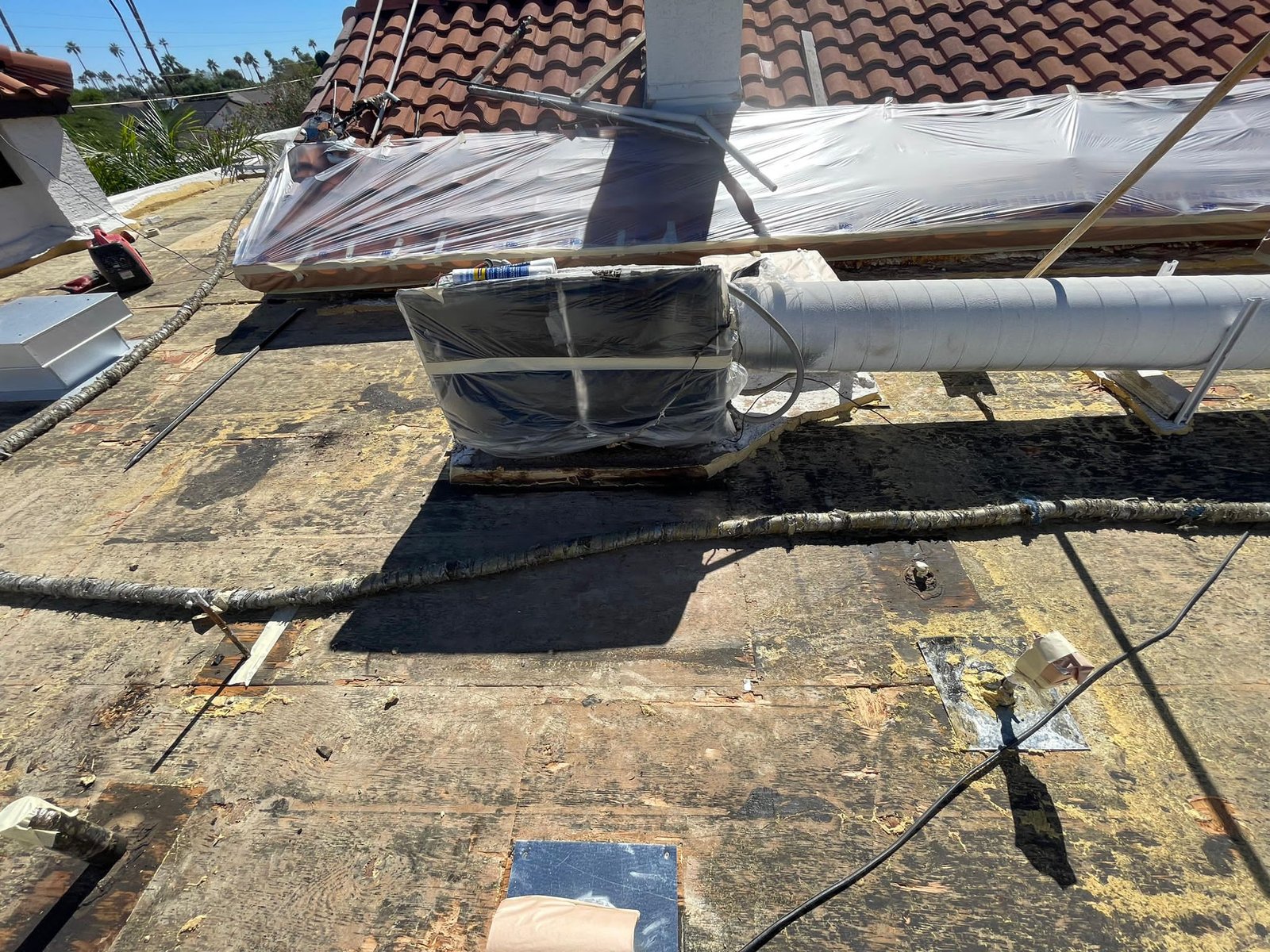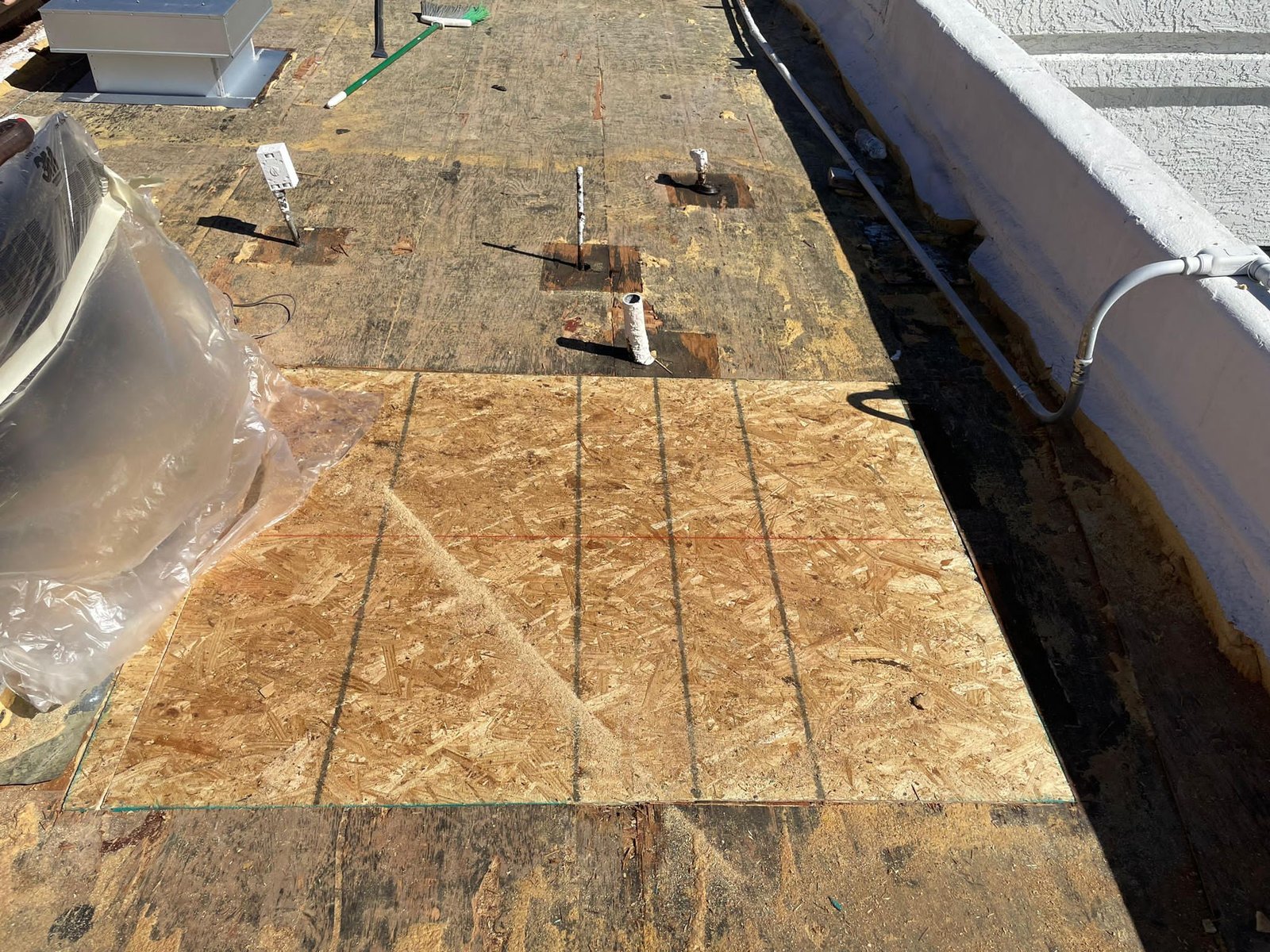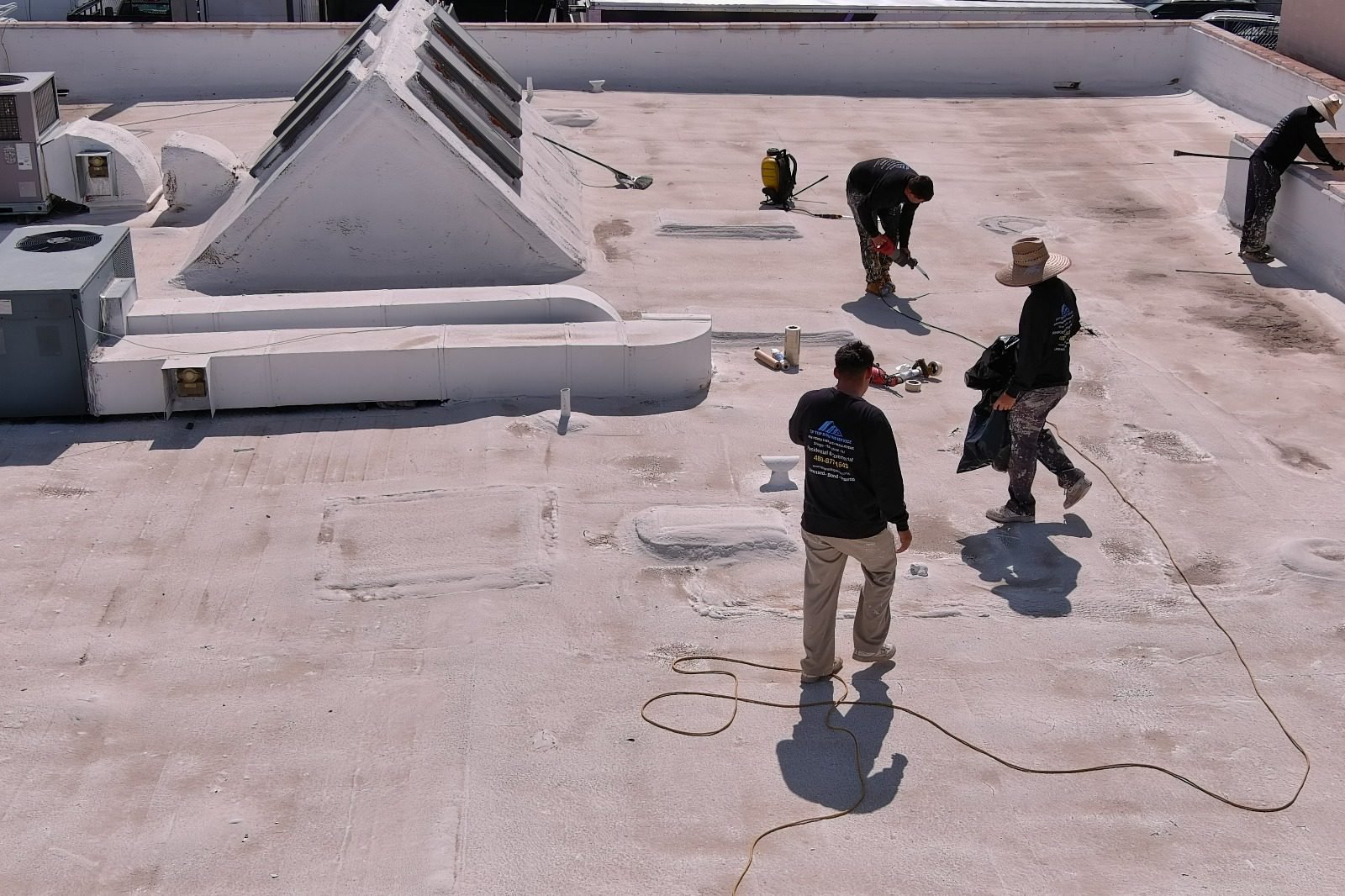
Using a proper Roof Inspection Checklist Phoenix AZ homeowners trust is one of the smartest ways to prevent major repair bills.
Phoenix heat regularly exceeds 110°F. Add UV radiation, dust storms, and monsoon winds — and roofing systems deteriorate faster than in most U.S. states. Small issues that go unnoticed can quickly become structural damage.
This comprehensive 20-point checklist walks you through exactly what to examine and why it matters in Arizona’s climate.
Exterior Roof Surface Checklist
1. Check for Missing, Cracked, or Slipped Tiles/Shingles
High winds during monsoon season can lift materials. Even one displaced tile can allow water intrusion beneath the surface.
Why it matters: Water reaching underlayment can rot decking and weaken structural framing.
2. Inspect for Granule Loss (Shingle Roofs)
Check gutters and downspouts for excessive granule buildup.
Why it matters: Granules protect shingles from UV damage. Loss accelerates aging and reduces lifespan.
3. Look for Curling, Warping, or Buckling
Extreme Phoenix heat causes expansion and contraction cycles.
Why it matters: Warped materials no longer create proper water barriers.
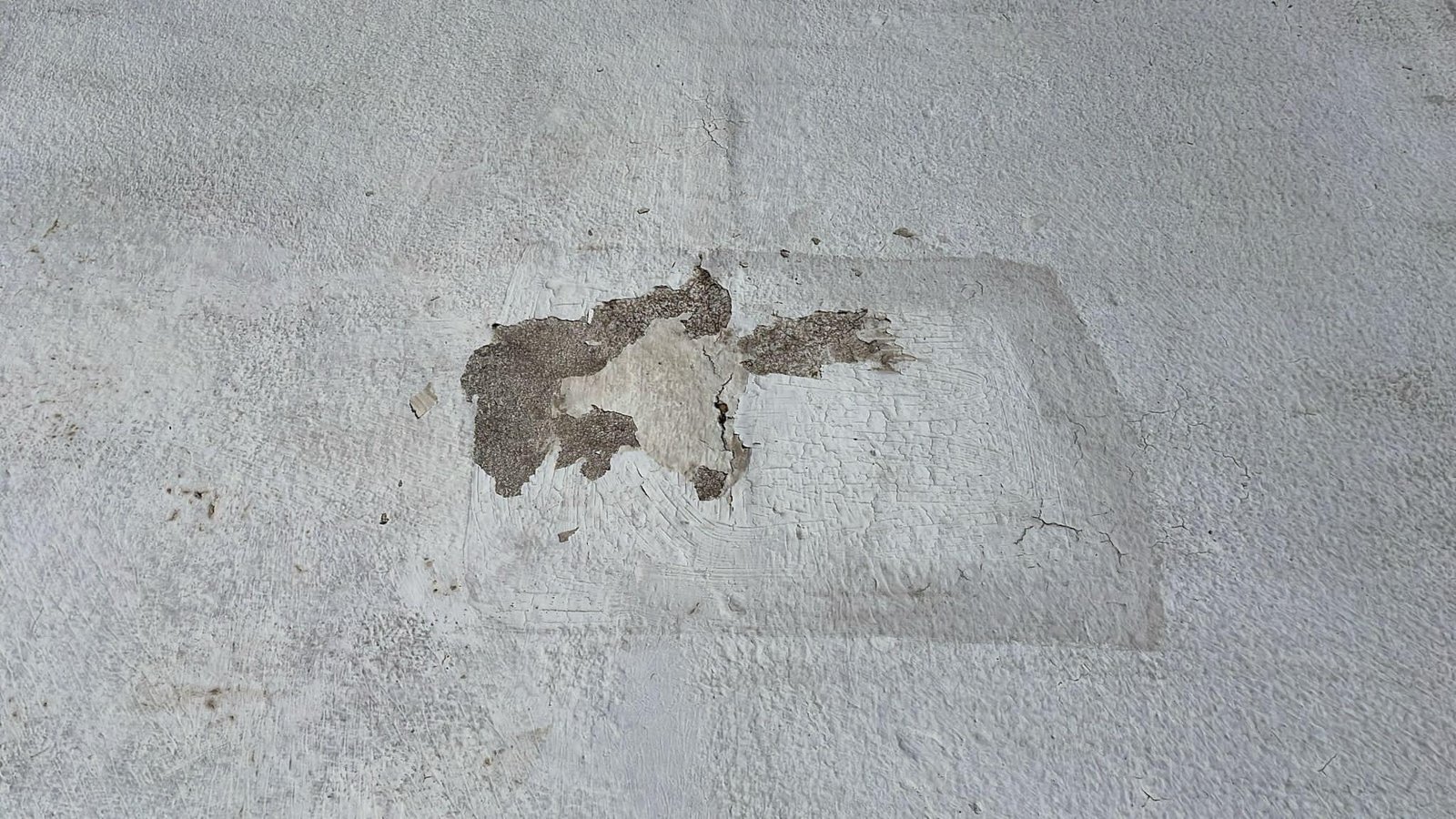
4. Check for Surface Blistering or Cracking
Blisters may indicate trapped moisture or prolonged UV exposure.
Why it matters: Surface cracking weakens waterproof protection.
5. Inspect Ridge Caps
Ridge caps are exposed to maximum wind pressure.
Why it matters: Loose ridge caps often lead to water entry during storms.
Flashing and Penetration Inspection
6. Examine Chimney Flashing
Look for rusted metal, cracked sealant, or separation from masonry.
Why it matters: Flashing failure is one of the most common causes of roof leaks.
7. Inspect Skylight Seals
Check for cracked caulking or moisture buildup around frames.
Why it matters: Skylights are frequent leak points during heavy rainfall.
8. Review Vent Pipe Boots
Rubber boots degrade quickly under intense UV radiation.
Why it matters: Cracked boots allow water to seep directly into attic space.
9. Inspect Roof Valleys
Remove debris and inspect for material breakdown.
Why it matters: Valleys carry concentrated water flow during monsoons.
Structural and Underlayment Assessment
10. Check for Sagging Rooflines
Stand back and observe the roof profile from ground level.
Why it matters: Sagging can indicate compromised decking or framing.
11. Evaluate Underlayment Condition (Tile Roofs)
Tile roofs often look intact while the waterproof layer underneath fails.
Why it matters: Underlayment deterioration is a leading cause of roof replacement in Phoenix.
12. Check for Soft Spots (Do Not Walk on Roof)
Soft decking suggests prolonged moisture exposure.
Why it matters: Structural repair costs rise significantly if ignored.
Drainage System Review
13. Inspect Gutters for Blockage
Dust storms and debris accumulation are common in Phoenix.
Why it matters: Overflowing gutters cause fascia and soffit damage.
14. Check Downspout Flow
Ensure water exits at least several feet from the foundation.
Why it matters: Improper drainage can damage both roofing and foundation systems.
15. Inspect Flat Roof Drainage Areas
Look for ponding water 48 hours after rainfall.
Why it matters: Standing water accelerates membrane deterioration.
Interior Inspection Checklist
16. Check Attic for Light Penetration
Turn off attic lights during the day and look for visible daylight.
Why it matters: If light passes through, water can too.
17. Inspect for Ceiling or Wall Stains
Brown or yellow discoloration often indicates slow leaks.
Why it matters: Small leaks can remain hidden for months before structural damage appears.
18. Evaluate Insulation Condition
Check for damp or compressed insulation.
Why it matters: Wet insulation increases energy bills and reduces cooling efficiency.
19. Smell for Mold or Mildew
Persistent musty odors signal trapped moisture.
Why it matters: Mold growth can affect indoor air quality and health.
Post-Monsoon Impact Inspection
20. Look for Storm Debris or Impact Damage
Check for cracked tiles, punctured membranes, or displaced materials after heavy winds.
Why it matters: Even minor impact damage can expand under future heat cycles.
Document everything with photos immediately after storms.
How Often Should Phoenix Homeowners Perform This Checklist?
For homes in Phoenix:
- Inspect twice per year (spring and fall)
- Immediately after major monsoon storms
- Before listing your home for sale
- If roof is older than 15 years
Routine inspections can extend roof lifespan by years and significantly reduce emergency repair costs.
When Should You Call a Professional Roofing Contractor?
Contact a roofing contractor in Phoenix if you notice:
- Multiple warning signs
- Repeated leak repairs
- Widespread cracking
- Sagging roof sections
- Signs of underlayment failure
A professional inspection can detect hidden damage not visible during a DIY review.
Schedule a Professional Roof Inspection in Phoenix Today
Using this Roof Inspection Checklist Phoenix AZ homeowners rely on is an excellent first step. However, expert evaluation provides complete clarity.
Tip Top Roofing Service performs detailed multi-point roof inspections designed specifically for Phoenix heat, UV exposure, and monsoon conditions.
As a trusted roofing contractor in Phoenix, their team identifies structural risks early and provides honest recommendations for repair or replacement.
Call Tip Top Roofing Service at (480) 877-1643
Email: info@tiptoproofingservice.com
Visit: https://tiptoproofingservice.com/
Protect your home before Arizona weather turns minor issues into major structural damage.