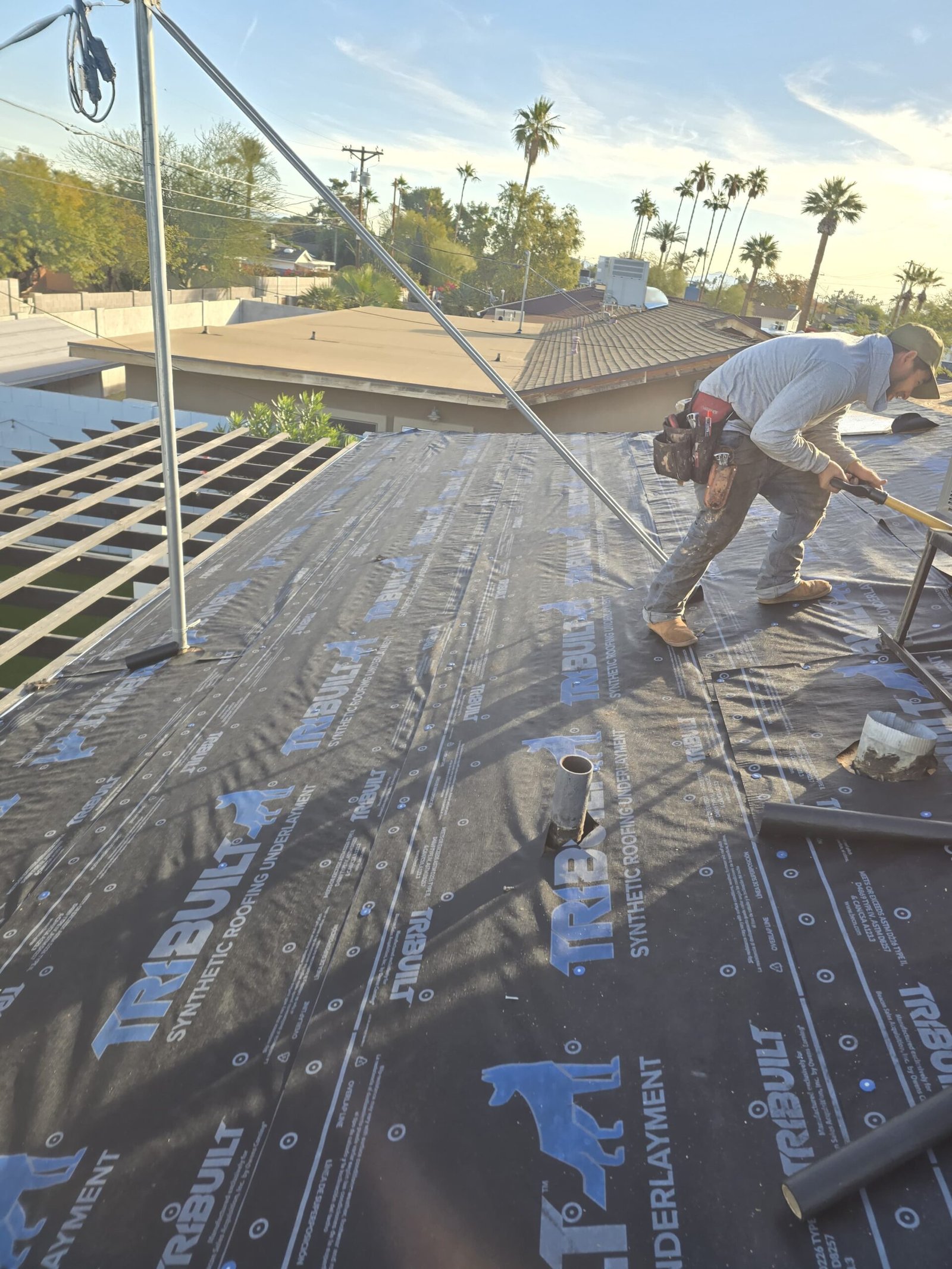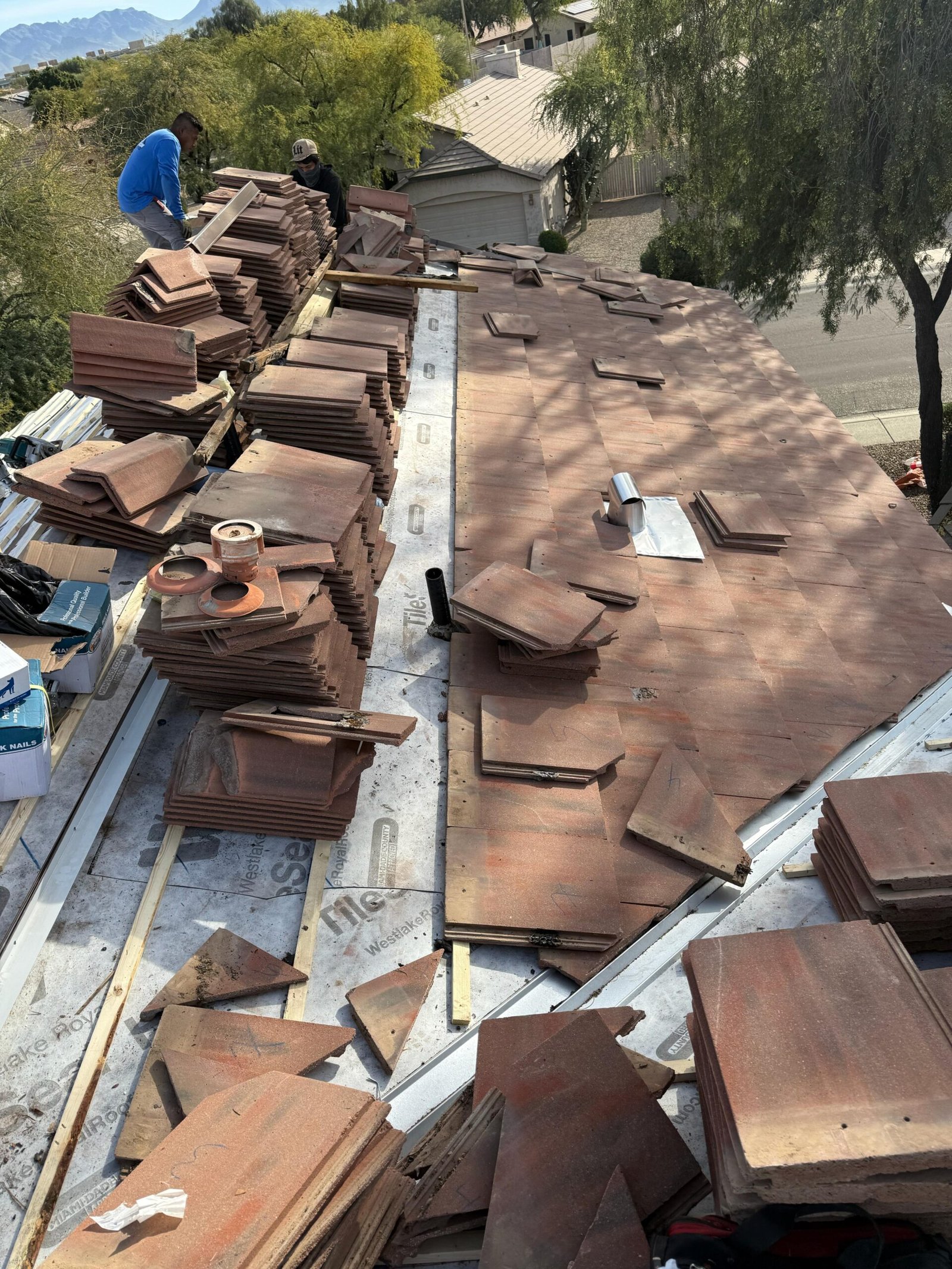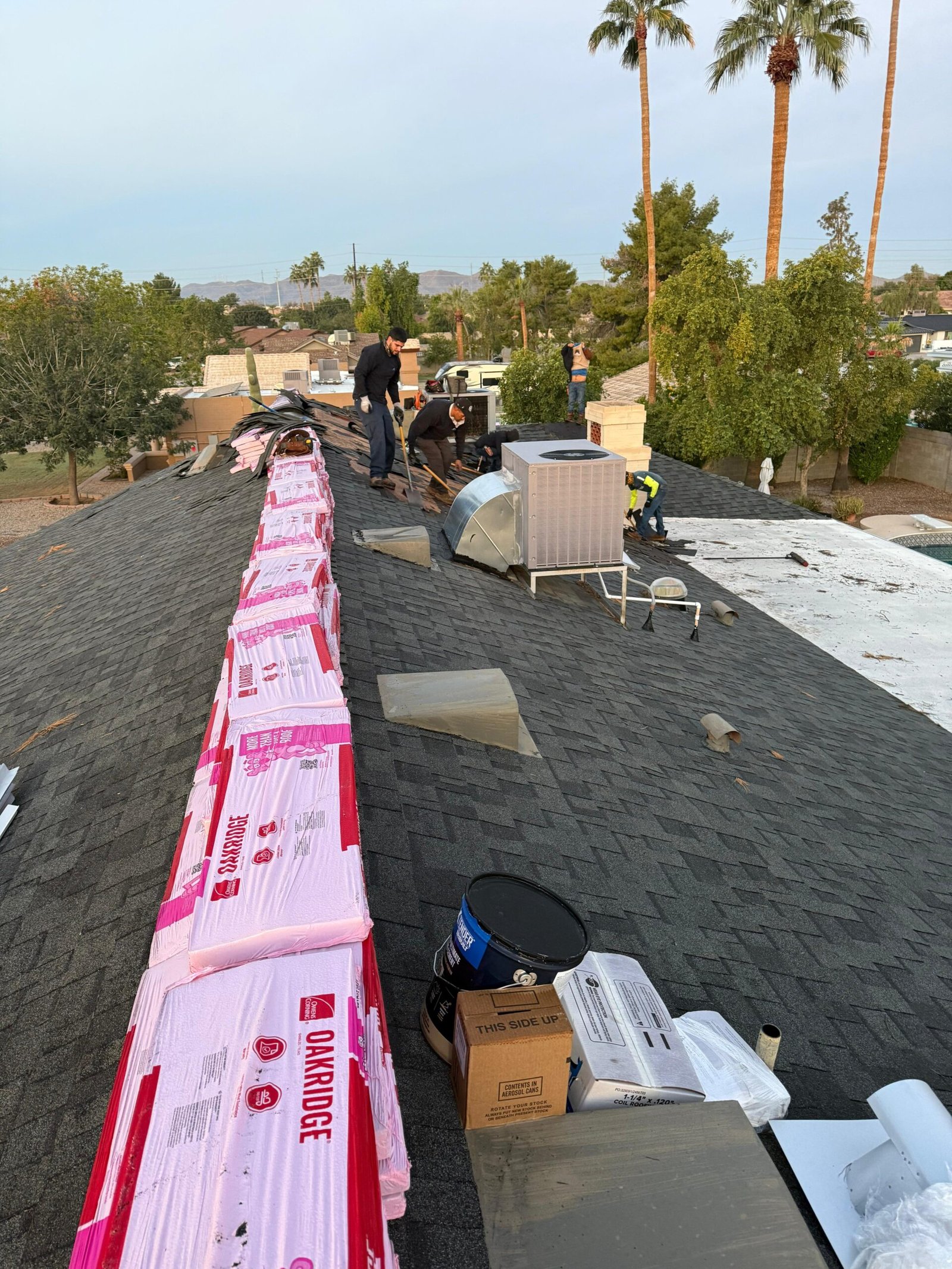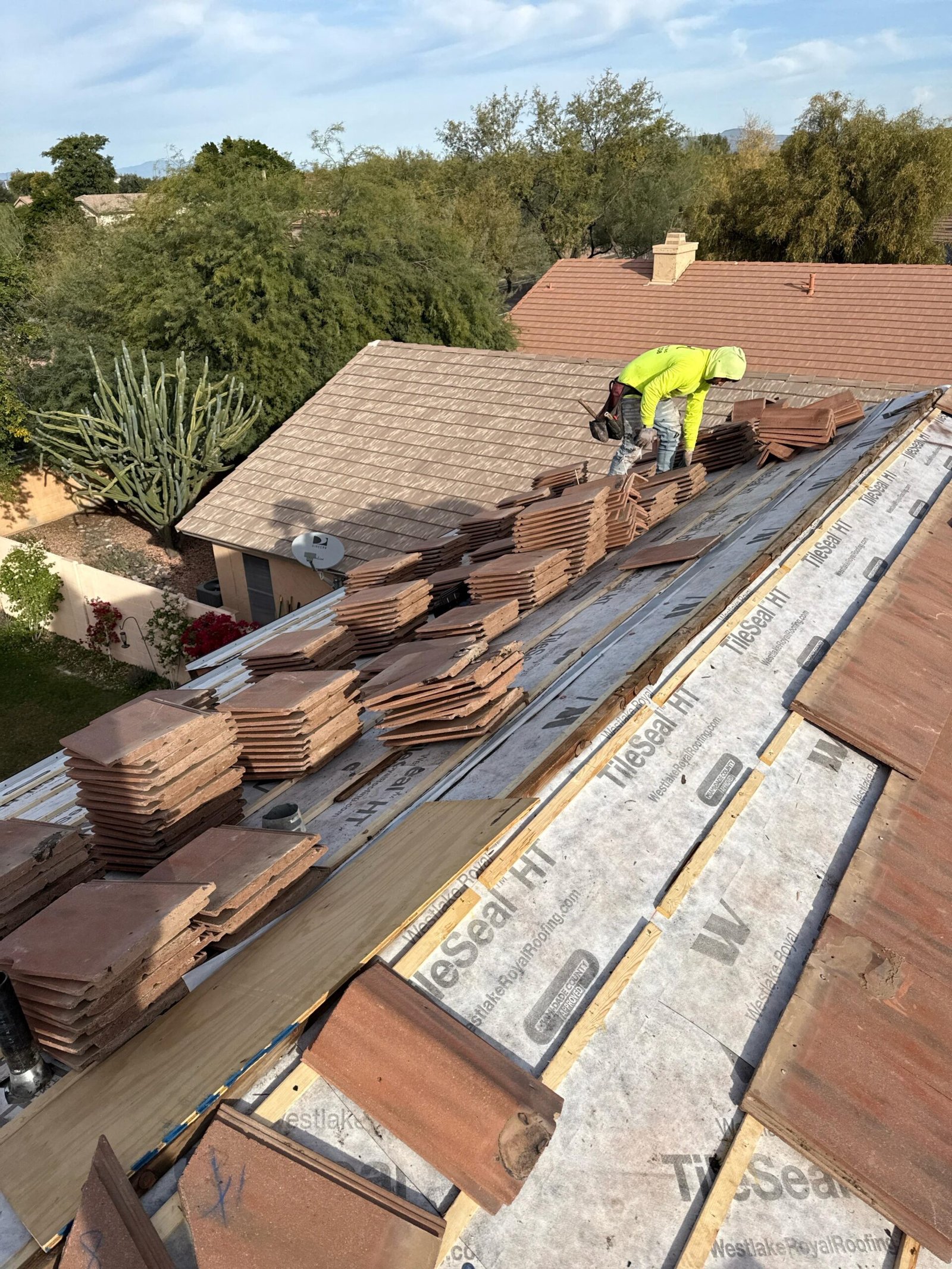
The monsoon clouds over Scottsdale, AZ are a sight to behold — rolling in suddenly, flashing lightning across Camelback Mountain, and turning the desert sky into a dramatic theater. But once the beauty passes, the aftermath often tells a different story: broken tiles, water-soaked ceilings, and roofs that didn’t stand a chance against the storm.
“The rain sounded like someone was throwing rocks at our house,” remembers Linda Cooper, who lives near North Scottsdale. “By morning, we found a shingle in the backyard pool — and another in the driveway.”
Like many Scottsdale homeowners, Linda wasn’t prepared for how fast a monsoon storm can cause roof damage. Fortunately, she called Tip Top Roofing Service that same day. Their inspection revealed loose flashing and cracked underlayment that, if left untreated, could have led to thousands of dollars in interior repairs.
How Monsoon Weather Impacts Arizona Roofs
Each summer, from June through September, Scottsdale experiences some of the most volatile weather in the Southwest. These monsoon storms bring powerful wind gusts (up to 70 mph), sudden downpours, and hail that can tear apart even newer roofing systems.
Common types of monsoon roof damage:
- Wind-lifted shingles or tiles – loosen fasteners and expose the roof deck.
- Flashing damage – allows rainwater to sneak into attic seams.
- Pooling water on flat roofs – leads to leaks and trapped moisture.
- Hail impact – cracks tile surfaces or dents metal panels.
- Dust and debris buildup – clogs scuppers and gutters, leading to overflow.
According to the National Weather Service, over 60% of roof insurance claims in Maricopa County occur during the monsoon months — most from preventable issues that homeowners didn’t spot early.
Real Story: A Roof Saved by Quick Action
In August 2024, David and Melissa Carter woke up to water dripping through their kitchen light fixture after a severe overnight storm.
They called Tip Top Roofing Service, who arrived the same day with emergency tarping and moisture scanners.
“They found cracks around our roof vents and a few damaged tiles,” says Melissa. “It didn’t look like much, but they said it could’ve caused mold if we’d waited.”
The quick repair cost just $780 — but according to their adjuster, delaying even a week might have caused $8,000+ in interior drywall and electrical damage.
“Now we know to call them right after every big storm,” David adds.
What To Do Immediately After a Monsoon Storm
1. Inspect your property from the ground up.
Walk around the house and look for fallen tiles, loose shingles, or granules in the gutters. Never climb on the roof yourself — wet tiles can be dangerously slick.
2. Check your attic and ceilings.
Look for discoloration, damp insulation, or musty odors. Even a small brown ring could indicate hidden moisture.
3. Document everything.
Take clear photos and short videos of any visible damage. This evidence is crucial if you need to file an insurance claim.
4. Call a licensed roofing expert.
Contact a certified contractor like Tip Top Roofing Service for a full inspection. Their technicians use moisture meters, drones, and infrared imaging to detect leaks that aren’t visible yet.
5. Don’t delay temporary fixes.
A professional can seal openings or apply protective tarps before the next rain hits. Scottsdale often sees multiple back-to-back storms in one week during monsoon season.
Why Roof Inspections After Monsoons Matter
“Most homeowners don’t realize that roof damage doesn’t always show up immediately,” says Mike Hernandez, a senior inspector with Tip Top Roofing Service.
Wind-lifted tiles may settle back into place, hiding small cracks underneath. Weeks later, those cracks expand — letting rainwater travel beneath the underlayment.
Annual and post-storm inspections can:
- Prevent leaks before they start.
- Extend roof lifespan by 5–10 years.
- Protect insurance eligibility (many policies require proof of maintenance).
- Reveal hidden issues like attic mold or compromised flashing.
“We’ve seen roofs that looked fine from the street but had entire sections loose underneath,” Mike adds. “That’s why inspections aren’t optional in Arizona — they’re essential.”
The Hidden Costs of Ignoring Monsoon Roof Damage
Even a single storm can start a chain reaction inside your roof system.
| Damage Type | Immediate Repair | Delayed Repair (3–6 months) |
|---|---|---|
| Tile or Shingle Replacement | $400–$800 | $2,500+ (underlayment rot) |
| Flashing Repair | $600–$900 | $3,000 (attic moisture damage) |
| Ceiling Leak | $950 | $5,500+ (mold and insulation) |
| Flat Roof Pooling | $1,200 | $7,000 (deck deterioration) |
(Source: HomeAdvisor Arizona Roofing Costs 2025)
Delaying inspection or repair can also void manufacturer warranties or reduce insurance payout eligibility.
Real Homeowner Experience: “The Storm That Taught Us”
Jason and Emily Alvarez, who live in McDowell Mountain Ranch, didn’t think their two-year-old tile roof could be damaged by a storm.
After last July’s monsoon, they noticed a faint bubbling in their living room ceiling.
“We thought it was just humidity,” Jason recalls. “But when Tip Top checked, they found two broken tiles and soaked insulation.”
The repair cost them $1,200. Had they waited until the next storm, their insurer estimated it would’ve been over $10,000.
“Now we schedule inspections every summer,” Emily says. “It’s like insurance for our insurance.”
How Tip Top Roofing Service Handles Monsoon Roof Damage
- Emergency Response: Immediate tarping and sealing for active leaks.
- Damage Assessment: Drone photos, moisture scans, and on-roof inspection.
- Detailed Estimate: Transparent quote with photo evidence and repair options.
- Insurance Support: Assistance with claims documentation.
- Permanent Repair or Replacement: Using Arizona-rated materials to prevent repeat damage.
“Our goal is to make your roof storm-ready again, not just patched up,” says the Tip Top Roofing team.
Preventing the Next Storm’s Damage
The best way to protect your home isn’t reaction — it’s preparation.
Before next monsoon season, Scottsdale homeowners should:
- Have a spring inspection (March–May).
- Clean debris from gutters and roof valleys.
- Replace any cracked or missing tiles.
- Seal skylights, vents, and flashing.
- Ensure proper attic ventilation to reduce heat stress.
According to EnergyStar, well-maintained roofs can lower cooling costs by 10–15% and last up to a decade longer.
“The roof is your home’s first defense,” says Hernandez. “If you take care of it before the storm, it’ll take care of you during one.”
Local Families Who Learned the Value of Fast Repair
Across Scottsdale neighborhoods like Grayhawk, McCormick Ranch, and DC Ranch, homeowners share similar experiences — realizing that quick response after monsoon storms is the difference between a minor repair and a full roof replacement.
“We used to wait for visible leaks,” says Laura Benson. “Now, after every big storm, Tip Top is the first call we make. They’ve saved us twice.”
These experiences highlight one truth: the sooner you act, the safer your home stays through Arizona’s unpredictable weather.
Protect Your Home Before the Next Storm
When the next monsoon rolls across the Valley, your roof shouldn’t be a concern — it should be your shield.
Tip Top Roofing Service helps Scottsdale homeowners repair, inspect, and reinforce their roofs to handle whatever the desert sky brings.
📍 Tip Top Roofing Service
📞 (480) 877-1643
📧 info@tiptoproofingservice.com
🌐 https://tiptoproofingservice.com
💬 Up to $1,000 Off Roof Replacement or Installation
“After every storm, you’ll see fallen branches, puddles, and damage. But the roofs we’ve repaired? They stay quiet, dry, and strong.”