Arizona summer is not just hot — it is extreme. In Phoenix, daytime temperatures regularly exceed 110°F, and roof surface temperatures can reach 150–170°F.
If you’re asking, “Is your roof ready for Arizona summer heat?”, this is the right time to evaluate it — before peak temperatures and monsoon storms arrive.
Summer heat in Phoenix doesn’t just make your home uncomfortable. It accelerates roof aging, weakens structural components, and exposes hidden damage that may not be visible from the ground.
This in-depth guide explains how Arizona heat affects your roof, what warning signs to look for, and how to prepare before serious damage occurs.
Why Arizona Summer Is So Hard on Roofs
Phoenix roofs endure three major stress factors during summer:
1. Extreme UV Radiation
Arizona has some of the highest UV levels in the United States. UV exposure breaks down roofing materials at a chemical level.
- Shingles lose protective granules
- Sealants dry and crack
- Underlayment becomes brittle
Over time, UV degradation weakens waterproof protection.
2. Thermal Expansion and Contraction
Roofing materials expand during the day and contract at night.
This daily cycle causes:
- Fastener loosening
- Tile shifting
- Adhesive failure
- Micro-cracks in membranes
Repeated expansion cycles shorten roof lifespan significantly.
3. Trapped Attic Heat
If ventilation is poor, attic temperatures can exceed 150°F.
Excess attic heat:
- Damages underlayment
- Warps decking
- Reduces shingle lifespan
- Increases cooling bills
Ventilation is one of the most overlooked factors in Phoenix roofing performance.
12 Warning Signs Your Roof Is Not Ready for Summer
1. Roof Is 15–20 Years Old
Older roofs are more vulnerable to rapid heat deterioration.
2. Curling or Buckling Shingles
Indicates advanced heat damage.
3. Cracked or Slipped Tiles
Expansion stress often worsens alignment issues.
4. Granules in Gutters
Excess granule loss reduces UV protection.
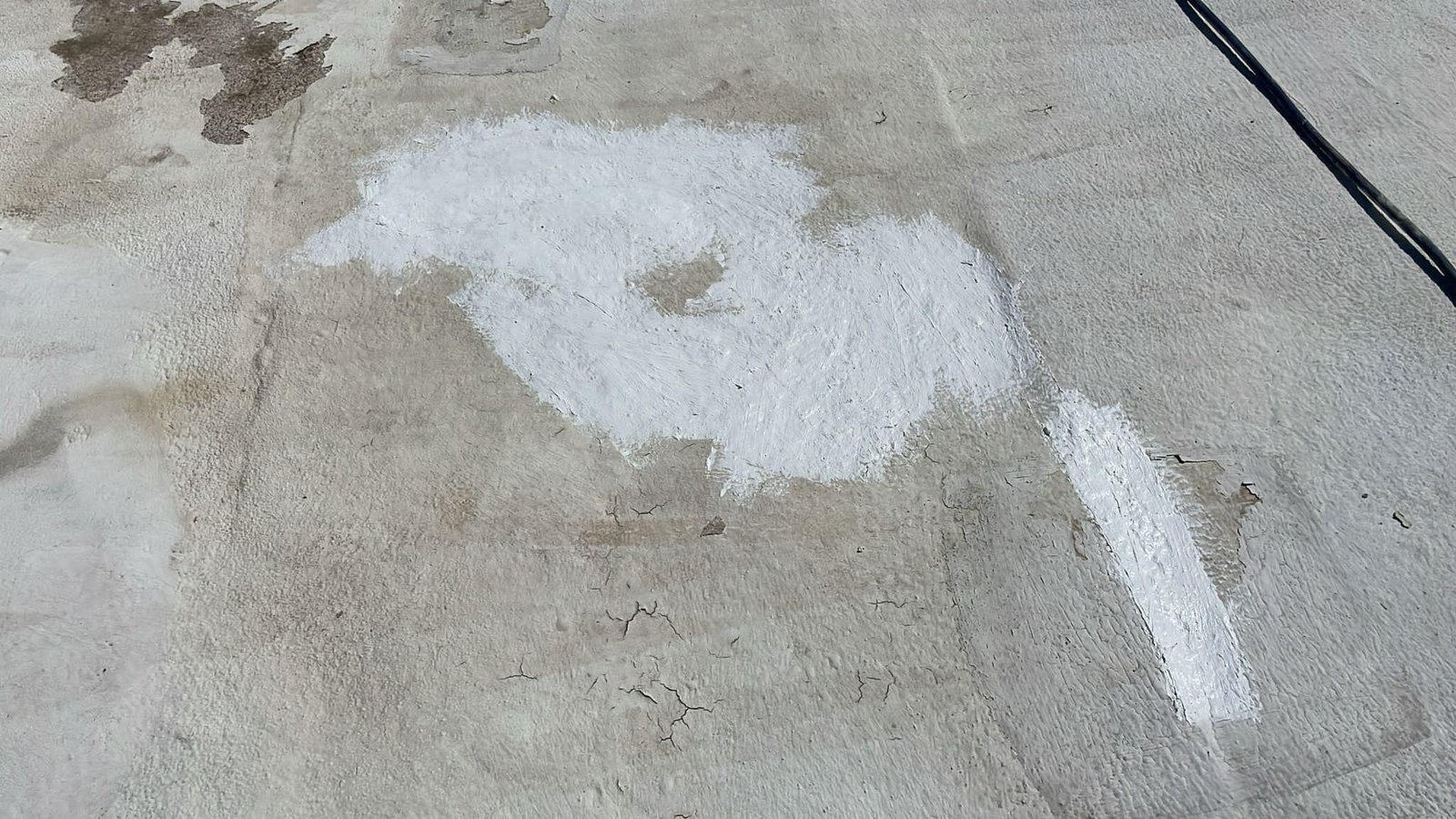
5. Multiple Past Repairs
Repeated patching signals systemic aging.
6. Soft Spots in Roof Decking
Suggests moisture damage beneath surface.
7. Attic Feels Extremely Hot
Ventilation may be insufficient.
8. Rising Energy Bills
Heat infiltration forces your AC system to work harder.
9. Interior Ceiling Stains
Small leaks may expand during monsoon season.
10. Visible Flashing Gaps
Sealants often crack under extreme heat.
11. Flat Roof Ponding Areas
Heat accelerates membrane breakdown.
12. No Inspection in 2+ Years
In Phoenix, regular inspection is essential.
If you recognize multiple signs, professional evaluation is strongly recommended.
How Different Roofing Materials Perform in Phoenix Summer
Asphalt Shingles
- Can dry out and become brittle
- Granules degrade faster under intense UV
- Lifespan may shorten without ventilation
Architectural shingles can last up to 50 years, but Arizona heat often reduces that timeline without proper maintenance.
Tile Roofing
- Excellent heat resistance
- Durable surface layer
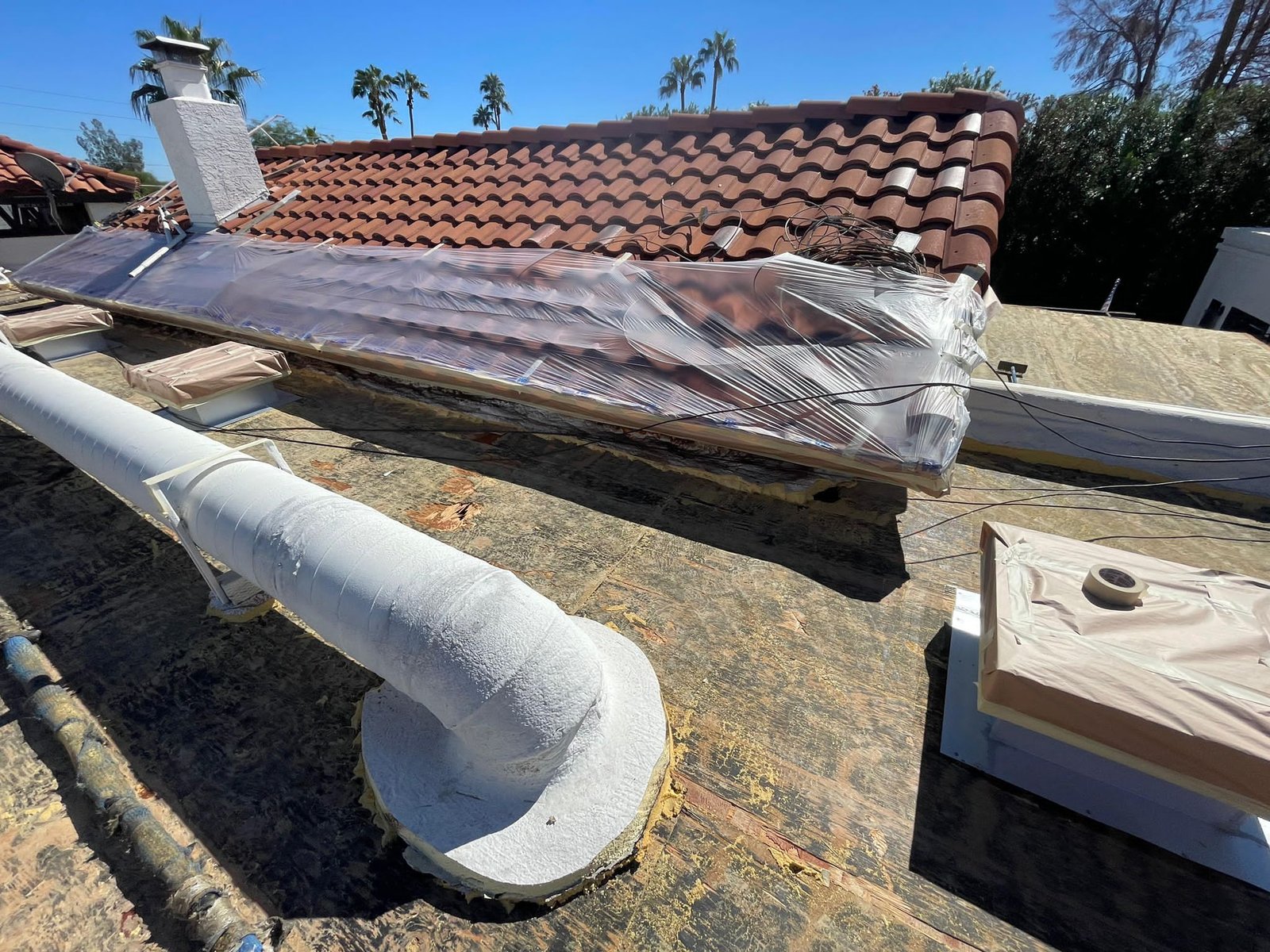
- Underlayment often fails before tiles
Many Phoenix homeowners believe tile roofs last forever. In reality, the waterproof layer underneath requires monitoring.
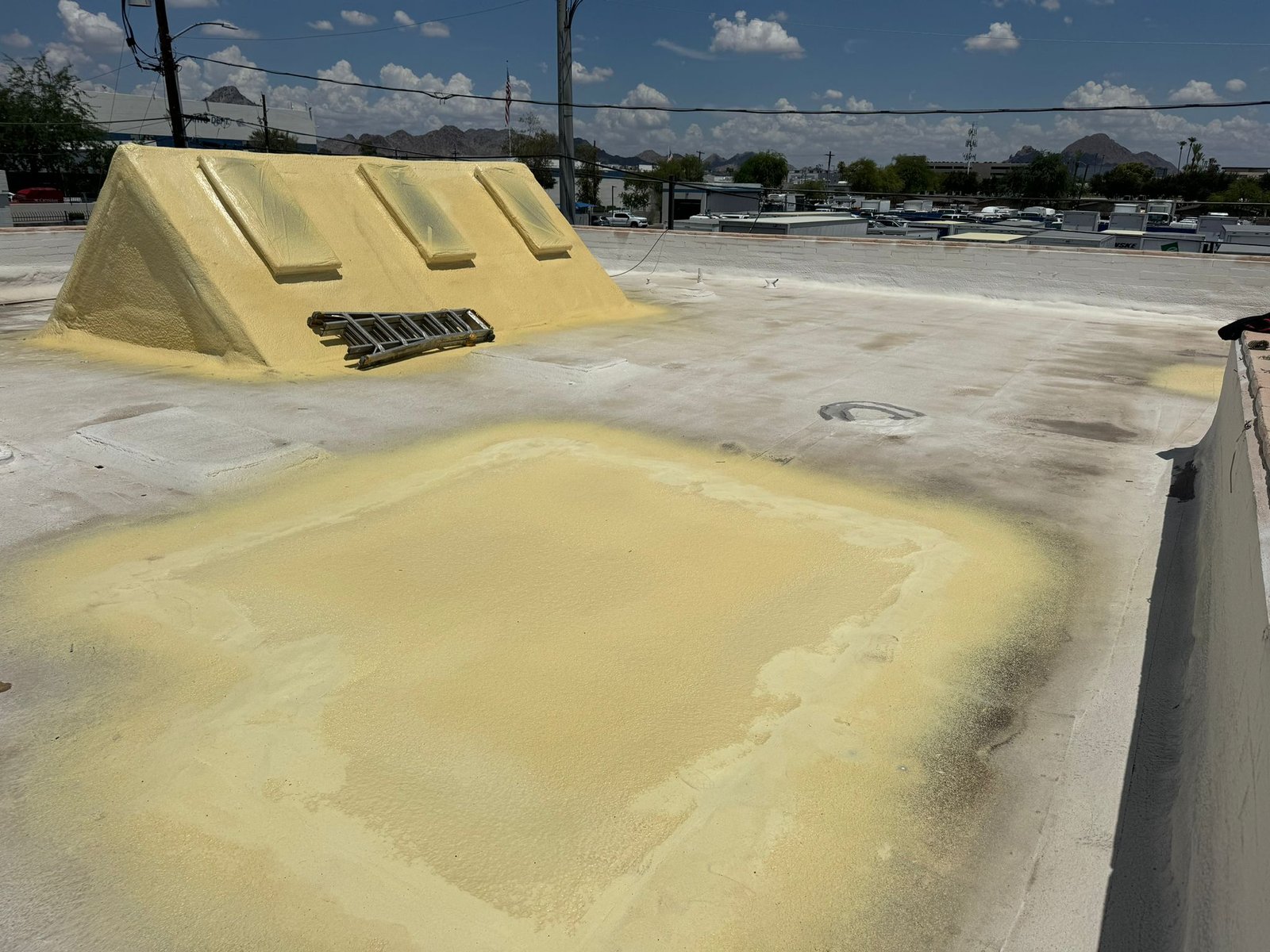
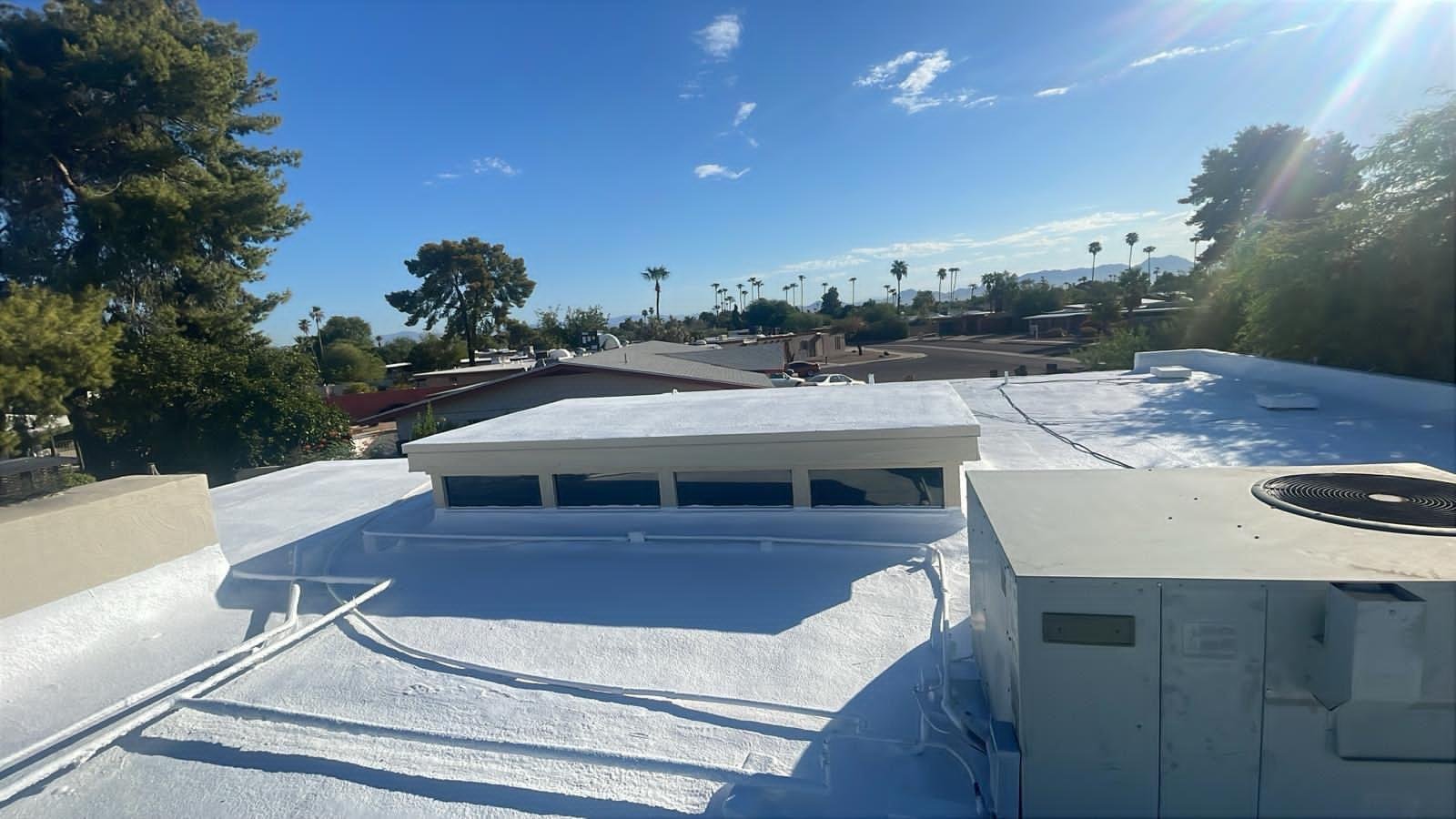
Flat Roof Systems (Foam or TPO)
- Absorb significant heat
- Seam areas vulnerable to expansion stress
- Require regular drainage inspection
Flat roofs demand proactive maintenance during summer.
Why Summer Is the Worst Time for Emergency Repairs
Once temperatures exceed 105–110°F:
- Roofing materials become more fragile
- Sealants soften
- Contractor availability decreases
- Emergency calls spike
Small problems that could have been fixed in spring become urgent summer repairs.
How to Prepare Your Roof Before Peak Heat
Schedule a Professional Roof Inspection
Hidden underlayment damage is common in Phoenix homes. A professional inspection reveals issues not visible from ground level.
Improve Attic Ventilation
Proper airflow lowers internal roof temperature and extends material lifespan.
Reinforce Flashing and Sealants
Replace dried or cracked sealing areas before heat expansion worsens gaps.
Replace Damaged Tiles or Shingles
Even one loose tile can allow water intrusion during sudden summer storms.
Clean Roof Surface and Drainage Areas
Dust buildup traps heat and moisture.
Preventative maintenance is always less expensive than emergency roof replacement in Phoenix AZ.
Should You Replace Before Summer If Your Roof Is Aging?
If your roof is nearing the end of its lifespan, replacing before summer heat may:
- Prevent underlayment failure
- Reduce energy costs
- Protect against monsoon leaks
- Avoid emergency repairs
A qualified roofing contractor in Phoenix can help evaluate whether repair or replacement is the smarter option.
Why Acting Before Summer Saves Money
Delaying inspection can lead to:
- Structural decking damage
- Interior drywall repairs
- Mold remediation
- Increased AC costs
- Higher insurance complications
Arizona heat does not create new problems — it exposes existing weaknesses.
Spring and early summer preparation is the safest financial decision.
Schedule a Summer Readiness Roof Inspection in Phoenix
If you’re unsure whether your roof is ready for Arizona summer heat, now is the right time to act.
Tip Top Roofing Service provides detailed roof evaluations designed specifically for Phoenix’s extreme climate. Their inspections identify heat-related vulnerabilities before they become costly structural damage.
As a trusted roofing contractor in Phoenix, their team offers honest recommendations for repair or replacement based on your roof’s condition — not pressure sales tactics.
Call Tip Top Roofing Service at (480) 877-1643
Email: info@tiptoproofingservice.com
Visit: https://tiptoproofingservice.com/
Prepare your roof now — because once Arizona summer reaches full intensity, minor weaknesses become major repairs.